
Advice
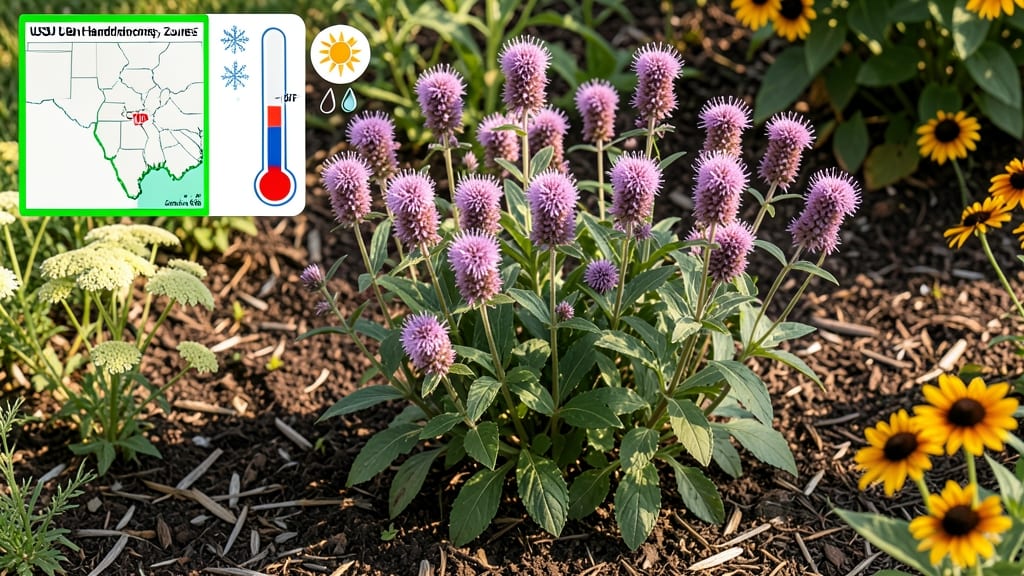
What gardening zone is Cincinnati, Ohio? The city falls under USDA Plant Hardiness Zone 6a, where winter lows dip to between -10°F and -5°F—a critical detail for picking the right plants.
If you're planning a garden in Cincinnati, knowing your USDA hardiness zone is the first step to selecting the right plants—and avoiding costly mistakes. But Cincinnati’s diverse neighborhoods can push you between Zone 6a and even Zone 7a, depending on where you live.
This zone determines when you can safely plant 🌱 General in April or May, how late you can leave tender plants in the fall, and which varieties will thrive in your yard. A wrong guess could mean frost-killed seedlings or stunted growth.
Below, I’ll break down how to use this zone to plan your planting schedule, spot microclimates in your neighborhood, and pick plants that match your local conditions—so you can grow with confidence.
Cincinnati’s official USDA Zone 6a: what it means for your garden
Cincinnati’s USDA Zone 6a classification means your garden typically experiences average minimum winter temperatures between -10°F and -5°F. This zone designation is crucial for selecting plants that can thrive through our cold winters and hot summers.
Understanding your zone helps you avoid frost damage and ensures your garden flourishes year after year.
For Cincinnati gardeners, this zone affects everything from when to plant to which perennials and trees will survive. For example, tulips and peonies thrive here, while tropical plants like hibiscus need extra protection.
The last average frost date in Cincinnati is around April 15, signaling the start of outdoor planting season.
Here’s what you need to know about Cincinnati’s Zone 6a and how it impacts your garden:
| Category | Details | Garden Impact |
|---|---|---|
| USDA Zone | 6a | Cold-hardy plants like apple trees, tulips, and peonies thrive here. |
| Average Last Frost | April 15 | Plant cool-season crops (e.g., lettuce, spinach) in early spring. |
| Average First Frost | October 15 | Harvest warm-season plants (e.g., tomatoes, peppers) before frost. |
| Frost-Free Days | 165 days | Long enough for annuals like marigolds and sunflowers to mature. |
| Winter Low Temperature | -10°F to -5°F | Protect tender perennials (e.g., lavender, rosemary) with mulch. |
| Summer High Temperature | 85°F+ | Water deeply to support heat-loving plants like okra and peppers. |
Knowing your Zone 6a helps you choose plants that match Cincinnati’s climate. For instance, apple trees like ‘Liberty’ or ‘Honeycrisp’ are excellent choices, as they survive our winters and produce abundant fruit. Similarly, peonies and daylilies are low-maintenance perennials that thrive in this zone.
Your planting schedule should align with Cincinnati’s frost dates. Start seeds indoors in late winter for tomatoes and peppers, then transplant them after the last frost. For cool-season veggies like kale and carrots, sow seeds directly in the garden as early as March.
Historical temperature data shows Cincinnati’s winters can dip below -10°F, but urban areas may experience slightly milder conditions. If you live near the Ohio River or in downtown neighborhoods, you might even find yourself in Zone 6b or 7a.
This is why local observations matter—track your own frost dates for a few years to refine your zone.
For woody plants like shrubs and trees, Zone 6a means selecting varieties rated for -10°F tolerance. Examples include serviceberry bushes and redbud trees, both of which handle Cincinnati’s winters beautifully. Always check the USDA Plant Hardiness Zone Map for specific plant recommendations.
Adjust your garden layout to account for microclimates. South-facing slopes stay warmer, while shaded areas near buildings may stay cooler. Use this knowledge to extend your growing season—plant heat-loving veggies in sunny spots and cooler-tolerant crops in shaded areas.
Finally, remember that Zone 6a isn’t set in stone. Extreme weather events, like the polar vortex of 2014, can push temperatures below zone expectations. Prepare by using mulch, row covers, and cold frames to protect vulnerable plants during unexpected freezes.
By leveraging Cincinnati’s Zone 6a classification, you’ll create a garden that’s resilient, productive, and tailored to your local climate. Happy planting! 🌱
Microclimate variations in Cincinnati: why your neighborhood matters
Cincinnati’s USDA Zone 6a classification is a great starting point, but your exact location can shift this by one or even two zones. The city’s diverse geography—from the Ohio River valley to hilly neighborhoods like Mount Lookout—creates distinct microclimates.
These variations can mean the difference between thriving peony bushes and frozen tomato plants in your garden.
Urban heat islands, like Over-the-Rhine or downtown areas, can push temperatures up by 5-10°F compared to rural outskirts. Meanwhile, higher elevations like Mount Adams often experience earlier frosts and cooler summers. This means your garden might actually fall into Zone 6b or even 7a—depending on where you live.
If you live in Over-the-Rhine or downtown, you might safely plant Zone 7a favorites like crape myrtle or olive trees. But in Mount Lookout or Mount Adams, stick to Zone 6a plants like hardy kiwi or Russian sage to avoid frost damage.
Even a one-block difference can shift your microclimate by 2-3°F.
To adjust your planting zone, observe your garden’s last frost date for 3 years. Use PlantMaps or the USDA’s interactive zone finder to refine your zone. For example, if your last frost consistently occurs after April 25, you might be in Zone 6b instead of 6a.
Consider heat-loving plants like black-eyed Susans for warmer areas and cold-hardy varieties like Shasta daisies for cooler spots. Your neighborhood’s microclimate isn’t just about zone shifts—it’s about plant survival and bloom timing. 🌿