
Diseases
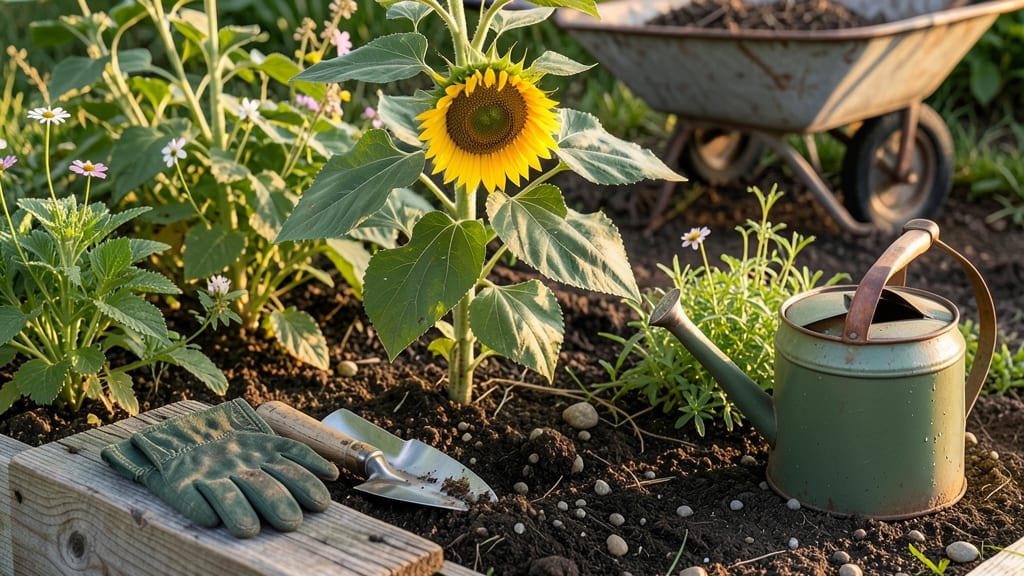
A gardener cultivates plants by designing, planting, and maintaining gardens to grow food, flowers, or restore natural spaces. This role combines plant science with creative problem-solving to nurture healthy ecosystems through daily care and seasonal planning.
A gardener's work spans far beyond just planting seeds—it's about understanding plant life cycles, soil health, and even local climate patterns to create thriving spaces. 🌱 Whether you're growing heirloom tomatoes or restoring native wildflowers, every decision impacts the garden's success.
Many specialize in specific areas like organic farming, urban container gardening, or therapeutic horticulture for community wellness programs.
What makes this profession so rewarding is the blend of science and artistry. You'll spend mornings testing soil pH, afternoons pruning roses, and evenings troubleshooting pest problems—each task requiring both technical knowledge and a green thumb.
The best gardeners I know treat their work like a living canvas, where every season brings new challenges and surprises.
From backyard plots to large-scale agricultural projects, modern gardeners also leverage technology like hydroponics or smart irrigation systems to optimize growth. The field continues evolving, making it perfect for those who love hands-on work with a creative edge.
💡 In This Article
- Core Skills and Knowledge Every Gardener Needs
- Daily Tasks and Specializations of Modern Gardeners
Core skills and knowledge every gardener needs
At the heart of gardening lies soil science—a fundamental skill that determines plant success. Gardeners analyze soil composition (sandy, clay, loamy) to determine drainage and nutrient needs, often adjusting with compost or organic matter.
For example, vegetables like tomatoes thrive in well-draining, slightly acidic soil (pH 6.0-6.8), while blueberries require acidic conditions (pH 4.5-5.5). Understanding these differences prevents common failures like root rot or nutrient deficiencies.
Plant biology knowledge is equally critical. Gardeners learn how photosynthesis works—how leaves convert sunlight into energy—and how plants respond to light cycles. A 14-hour daylight period triggers flowering in many vegetables, while shorter days encourage root growth.
This science explains why spring plantings often fail in northern climates if started too early. 🌱 Mastering these biological rhythms helps gardeners time plantings for optimal harvests.
Pest management requires both preventive and reactive strategies. Organic gardeners use companion planting (like marigolds repelling nematodes) or introduce beneficial insects such as ladybugs to control aphids.
Chemical-free solutions often rely on understanding pest life cycles—like applying neem oil when caterpillars are in their larval stage. This approach preserves ecosystems while maintaining plant health.
Seasonal cycles dictate every gardening decision. In temperate zones, gardeners follow a 100-day growing season rule for warm-season crops, calculating back from the first frost date. For instance, planting tomatoes 6-8 weeks before the last frost ensures they mature before cold weather arrives.
This timing varies dramatically—from 120 days in Florida to just 60 days in Alaska—showing how climate knowledge shapes every planting plan.
Tool mastery completes the skill set. A gardener's toolkit includes precision instruments like a soil pH meter ($20-$50) and versatile tools such as pruners for shaping plants. Even basic hand tools like a transplant trowel require proper technique—digging at a 45-degree angle to avoid damaging roots.
The right tool for each task prevents plant stress and saves time.
What most people don't realize is how these skills intersect. A gardener balancing soil science with seasonal timing might amend clay soil with compost in fall to improve spring planting conditions. This multi-layered approach explains why gardening feels both scientific and artistic—each decision builds on ecological understanding.