
Tools
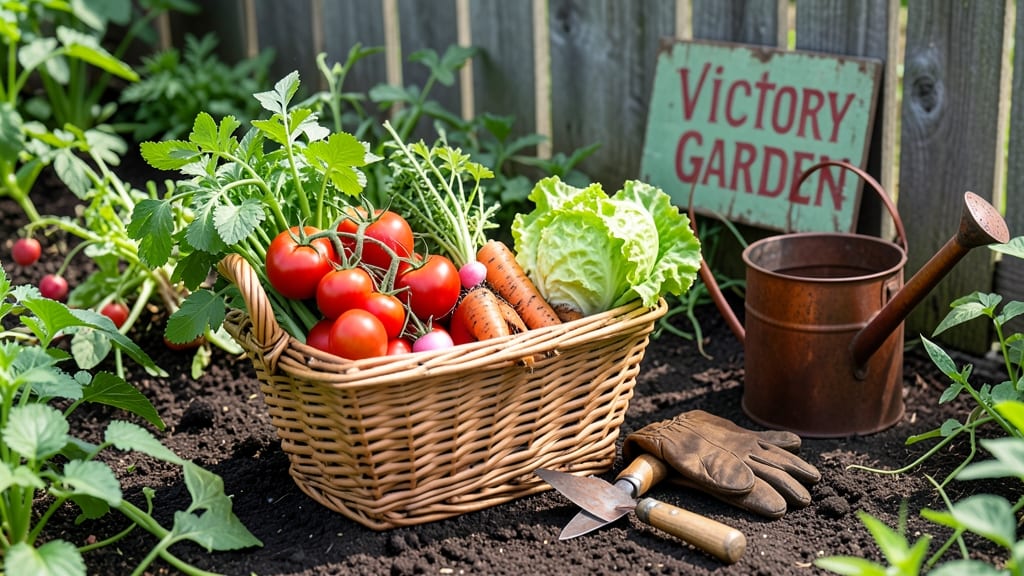
A victory garden refers to a homegrown vegetable and herb plot cultivated to supplement food supplies during wartime shortages, especially during World War II when over 40% of the nation’s produce came from these gardens. They played a crucial role in boosting morale, easing grocery shortages, and ensuring fresh food reached families and troops.
A victory garden wasn't just about growing food—it was a patriotic movement that transformed backyards into battlefields for self-sufficiency. 🌱 During WWII, the U.S. government launched campaigns like "Food Will Win the War," encouraging families to plant gardens to free up commercial crops for soldiers.
What’s fascinating is how these gardens became symbols of resilience: communities competed to grow the most produce, and children learned valuable lessons about sustainability that still resonate today.
These gardens also had unexpected social benefits. They brought neighbors together, created a sense of shared purpose, and even reduced food waste by encouraging people to eat what they grew.
The legacy lives on in modern urban farming and community gardens, proving that the spirit of victory gardens—resourcefulness and community—remains as relevant as ever.
💡 In This Article
- Origins and WWII Impact of Victory Gardens
- Modern Victory Gardens: Revival and Contemporary Uses
Origins and WWII impact of victory gardens
The concept of victory gardens emerged during World War I but reached its peak during World War II, when the U.S. government launched the "Food Will Win the War" campaign in 1942.
This initiative encouraged Americans to grow their own food to alleviate pressure on commercial agriculture, which was redirected toward feeding troops and allies.
By 1943, over 20 million victory gardens were cultivated across the country, producing an estimated 40% of the nation's fresh produce—equivalent to the output of 41 million tons of food.
These gardens weren't just practical—they were psychological weapons. With rationing limiting grocery options, families grew vegetables like tomatoes, carrots, and potatoes, which were high-yield and easy to preserve. The government even distributed free seeds and pamphlets with planting guides, turning backyards into miniature farms.
For example, a typical 1,000-square-foot garden could yield 2,000 pounds of produce annually, enough to feed a family of four for months. The effort also reduced shipping demands, conserving fuel and resources for the war effort. 🌱
The impact extended beyond food security. Victory gardens fostered community spirit, with neighbors sharing tips and produce. Schools and churches organized planting days, and children learned about nutrition and responsibility.
This grassroots movement proved that ordinary citizens could make extraordinary contributions—something the government capitalized on by framing gardening as a patriotic duty. The success of these gardens even influenced post-war agriculture, inspiring the rise of home gardening as a mainstream hobby.
What’s often overlooked is how victory gardens shaped modern food culture. The emphasis on fresh, locally grown produce foreshadowed today’s farm-to-table movement. During WWII, canning and preserving techniques became household skills, and families rediscovered heirloom varieties that had fallen out of favor.
The legacy lives on in urban farming initiatives and the growing interest in self-sufficiency, proving that the principles of victory gardens—resourcefulness, community, and sustainability—are timeless. 💫
One of the most striking examples of their impact is the story of Detroit’s victory gardens, which supplied 10% of the city’s vegetables during the war. Residents transformed vacant lots into productive green spaces, demonstrating how urban areas could contribute to national food security.
This model is now replicated in modern community gardens, where food deserts are tackled through collective effort and green thumbs.
The government’s role was critical. Organizations like the National War Garden Commission provided resources, while First Lady Eleanor Roosevelt championed the cause by planting her own garden at the White House. Radio broadcasts and newspaper columns offered gardening advice, ensuring even novice growers could succeed.
This blend of education, encouragement, and practical support turned victory gardens into a nationwide phenomenon that reshaped America’s relationship with food. 🌿