
Landscaping
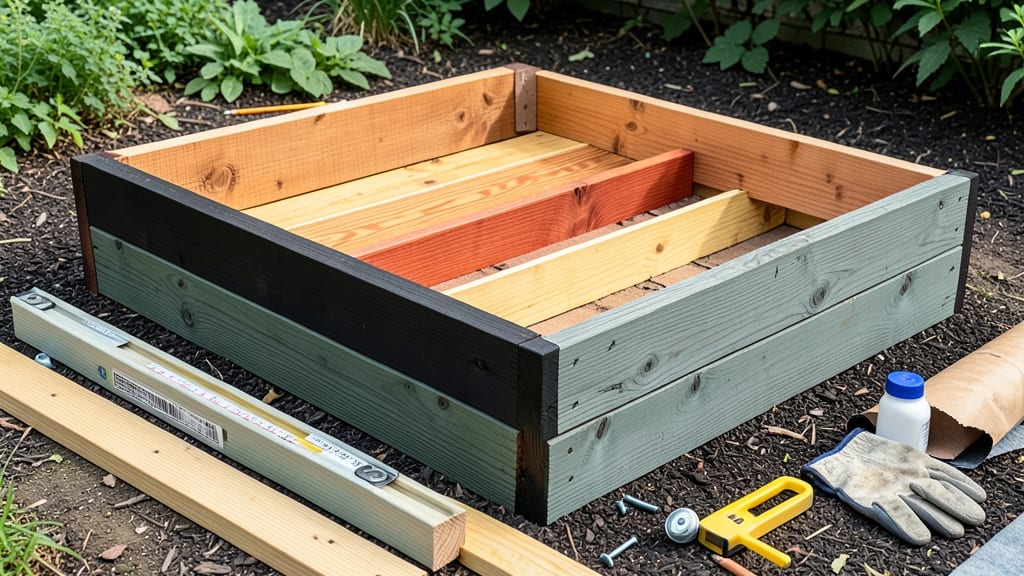
What wood to use for your garden bed is the difference between a sturdy, long-lasting frame and one that rots out in two years — and nobody wants to rebuild mid-season.
Picture this: you’ve just planted your spring vegetables, the soil is rich, and your raised beds look like a dream. But a year later, the corners are sagging, the wood is spongy to the touch, and your hard work is crumbling before your eyes.
That’s the cost of choosing the wrong material.
Not all wood is created equal, especially when it comes to moisture, soil acidity, and pest resistance. Cedar and redwood naturally resist rot, while pressure-treated pine can leach chemicals into edible gardens.
The good news? There’s a perfect match for every climate and budget — and I’ll walk you through the pros, cons, and hidden pitfalls of each option.
From eco-friendly reclaimed wood to budget-friendly alternatives, you’ll discover which materials last the longest, how to prep them for maximum durability, and even how to spot the red flags of poor-quality lumber before you buy. Let’s build a bed that stands the test of time — and your tomatoes.
Top 5 rot-resistant woods for garden beds (ranked by durability)
Building a garden bed without the right wood means dealing with rot, warping, and costly replacements—so choosing the perfect material is your first step to a thriving garden. The best rot-resistant woods balance durability, cost, and maintenance, ensuring your garden bed lasts for years without compromising plant health.
Whether you're growing vegetables, flowers, or herbs, the right wood keeps your bed sturdy and safe for edible crops.
Not all woods are created equal when it comes to moisture resistance. Some, like cedar and redwood, naturally repel rot due to their oils, while others, like black locust, are dense and tough.
Meanwhile, treated pine offers affordability but requires careful handling. Let’s compare the top 5 options so you can make an informed choice for your garden bed project.
Black locust tops the list for its incredible durability, thanks to its natural resistance to insects and decay. This hardwood can last 20+ years in garden beds, making it ideal for long-term projects. It’s also budget-friendly compared to cedar or redwood, though slightly pricier than treated pine. If you’re building a permanent raised bed, black locust is a fantastic choice.
For a more aromatic option, cedar is a classic for garden beds. Its natural oils make it naturally rot-resistant and resistant to pests like termites. Cedar lasts 15-20 years with minimal maintenance, and its pleasant scent even deters some insects.
However, it’s one of the more expensive options, so weigh the cost against its longevity for your project.
Redwood is another premium choice, prized for its rich color and resistance to moisture and decay. Like cedar, it contains natural preservatives that extend its lifespan to 15-20 years. Redwood is slightly softer than black locust but holds up well in humid climates. Its aesthetic appeal makes it popular for decorative garden beds, though the cost may be prohibitive for larger projects.
If you’re looking for a more affordable alternative, cypress offers a great balance of durability and cost. It’s naturally resistant to rot and insects, lasting 10-15 years in garden beds.
Cypress is lighter than black locust but still sturdy enough for most projects. However, ensure it’s untreated if using it for edible gardens, as some commercial cypress may contain chemicals.
Treated pine is the most budget-friendly option, but it comes with caveats. While it’s affordable and widely available, the chemicals used in pressure treatment can leach into the soil over time, making it unsafe for edible gardens. If you choose treated pine, opt for ACQ-treated (alkaline copper quat) lumber, which is less toxic than older treatments like CCA. Still, expect a lifespan of only 7-10 years before replacement.
When selecting wood for your garden bed, consider your climate, budget, and whether you’re growing edible plants. For the longest lifespan and safest option, black locust or cedar are hard to beat.
If cost is a concern, cypress or reclaimed wood can be excellent alternatives. Always avoid treated pine near vegetables or herbs to keep your garden safe and healthy.
Pro tip: Before building, seal the wood with a non-toxic sealant to extend its life, especially in wet climates. And remember, proper drainage and airflow around your garden bed will also help prevent rot, regardless of the wood you choose.
How to choose wood based on your garden bed type (raised vs. in-ground)
Your garden bed type—whether raised or in-ground—plays a huge role in wood selection. Raised beds face constant moisture exposure from above and below, while in-ground beds deal with soil acidity and ground moisture.
The wrong choice means rot in 2-3 years, but the right wood lasts 10+ years with minimal care.
For raised beds, prioritize woods with natural resistance to moisture and insects. In-ground beds need woods that can handle soil chemicals and ground contact without warping. Your climate zone also matters—humid areas demand extra protection, while dry climates offer more flexibility in material choices.
Here’s how to match your garden bed type to the best wood options:
Raised Bed Woods
✅ Naturally rot-resistant
✅ Resists insects
✅ Lasts 10-15 years
✅ High moisture resistance
✅ Attractive appearance
✅ Lasts 12-15 years
In-Ground Bed Woods
✅ Extremely rot-proof
✅ Handles soil chemicals
✅ Lasts 20+ years
✅ Resists ground moisture
✅ Budget-friendly
✅ Lasts 8-12 years
❌ Untreated pine (rots in 2 years)
❌ Pressure-treated wood near edibles (chemical leaching risk)
If you’re in a humid climate (Zones 7-10), seal your wood annually with a non-toxic sealant to extend its life. For dry climates (Zones 3-6), untreated cedar or black locust will last longer without extra treatments. Always use galvanized screws to prevent rust stains on your bed’s edges.
For edible gardens, skip pressure-treated wood entirely—opt for cedar or black locust instead. These woods are chemical-free and safe for growing vegetables, herbs, and fruits. If you’re building a container-style raised bed, consider composite lumber, which mimics wood but resists rot entirely.
Pro tip: Elevate raised beds 6-12 inches off the ground to improve drainage and reduce wood contact with moisture. This small adjustment can add 5+ years to your bed’s lifespan. Always pre-drill screw holes to prevent splitting, especially with hardwoods like black locust.
🌱