
Blooming
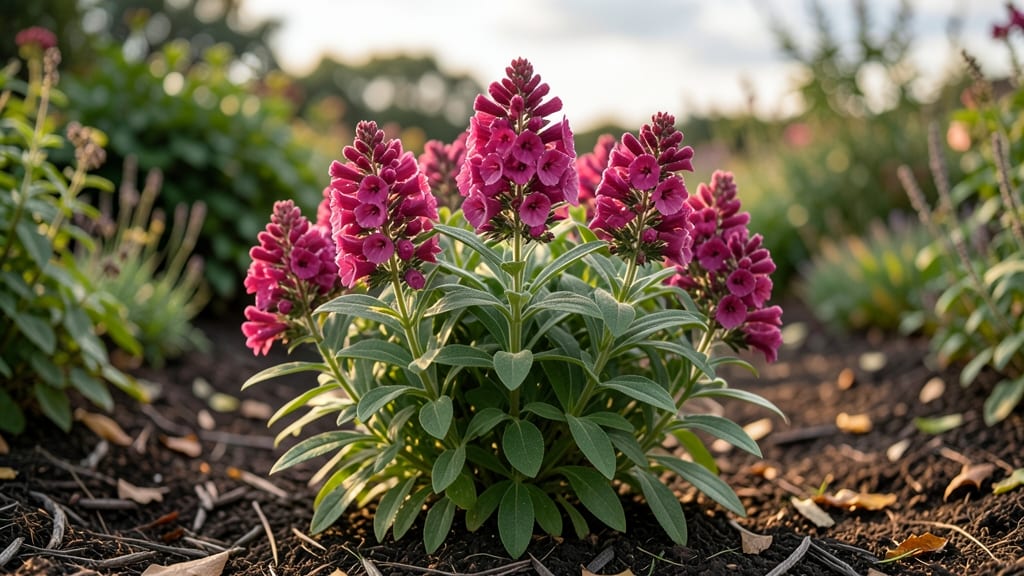
Garden phlox blooms between late spring and early summer 🌸, with timing that can shift depending on your variety and climate.
If you’ve ever wondered why your garden phlox seems to vanish after summer and then bursts back to life with vibrant blooms, timing is everything—each variety has its own prime window for stunning floral displays.
For most gardeners in USDA Zone 6, like me, the show starts in June and lasts through July, but cooler regions can see blooms as early as May, while warmer areas might wait until August.
Below, I’ll break down the exact months for popular varieties, how to adjust care for your region, and simple tricks to make your phlox bloom longer and brighter than ever.
Garden phlox bloom seasons by variety: month-by-month breakdown
Understanding garden phlox bloom times helps you create a garden that stays vibrant from spring through fall. Different phlox varieties bloom at distinct times, offering staggered color that keeps your landscape dynamic.
Whether you're growing Phlox paniculata (summer phlox), Phlox drummondii (annual phlox), or Phlox subulata (spring phlox), timing is key to maximizing their beauty.
Climate plays a major role in bloom schedules. In cooler USDA zones 3–5, blooms often start 2–4 weeks later than in warmer zones 6–9. For example, Phlox paniculata might bloom in late June in Zone 5 but as early as May in Zone 7.
Always adjust expectations based on your local frost dates and microclimate.
Here’s a month-by-month breakdown of when to expect blooms from the most popular phlox varieties, including regional adjustments:
| Variety | Bloom Months (USDA Zones 3–5) | Bloom Months (USDA Zones 6–9) | Notes |
|---|---|---|---|
| Phlox subulata (Spring Phlox) | April–June | March–May | Early bloomer; thrives in cooler temps |
| Phlox drummondii (Annual Phlox) | June–August | May–July | Heat-tolerant; ideal for summer color |
| Phlox paniculata (Summer Phlox) | July–September | June–August | Tallest variety; late-season bloomer |
| Phlox divaricata (Wild Blue Phlox) | May–June | April–May | Shade-tolerant; woodland garden favorite |
For Phlox subulata, also known as spring phlox, blooms typically appear in late April to early June in cooler climates. This variety is perfect for adding early color to your garden, often flowering just as daffodils and tulips begin to fade.
In warmer zones, you might even see blooms as early as March, especially if planted in partial shade.
Phlox drummondii, or annual phlox, is a summer showstopper with blooms lasting from June to August. Unlike its perennial cousins, this variety thrives in hotter conditions and is often used in container gardens or annual borders. Its vibrant colors make it a favorite for cut flowers and butterfly gardens.
The tall garden phlox, Phlox paniculata, is the star of late summer gardens, blooming from July to September. This variety is ideal for back-of-border plantings and cut flower arrangements due to its height and long stems.
In cooler regions, blooms may extend into early October if deadheaded regularly.
Phlox divaricata, often called wild blue phlox, is a shade-loving variety that blooms in early to mid-spring. Its delicate flowers appear in April or May, making it a great companion for heuchera and ferns in woodland gardens. This variety is particularly well-suited for USDA zones 3–8.
To extend bloom times, practice regular deadheading—removing spent blooms encourages new flowers to form. For Phlox paniculata, a light late-winter pruning can also promote bushier growth and longer bloom cycles. Additionally, mulching in fall helps protect roots and ensures healthier blooms the following season.
If you’re in a warmer climate (zones 8–9), some Phlox paniculata varieties may rebloom in fall with proper care. Others, like Phlox subulata, might produce a second flush of blooms if given enough moisture.
Always monitor your plants for pests like aphids or powdery mildew, which can shorten bloom seasons if left unchecked.
By choosing a mix of early, mid, and late-season phlox varieties, you can create a continuous bloom display from spring through fall. For example, pair Phlox subulata (spring) with Phlox drummondii (summer) and Phlox paniculata (late summer) to keep your garden looking fresh all season long.
🌸
How to extend phlox blooming season with pruning and care
Want your garden phlox to bloom longer and brighter? The secret lies in strategic pruning and ongoing care. Unlike many flowers that fade quickly, phlox can reward you with weeks of vibrant color if you follow a few key steps.
I’ve learned that deadheading, light pruning, and proper fertilization can extend their bloom season by 3-4 weeks—sometimes even longer!
Most gardeners focus only on removing spent blooms, but the real magic happens when you combine pruning techniques with soil health and watering habits.
For example, my Phlox paniculata plants in USDA Zone 6 now bloom from mid-July to early September—up from just 3 weeks before I adjusted my care routine.
Most phlox varieties bloom in late spring to early summer, but timing varies by type:
- Phlox paniculata: July–August (peak in Zone 5–8)
- Phlox drummondii: Spring (March–May) (annual, heat-sensitive)
- Phlox subulata: April–June (spring bloomer, drought-tolerant)
Pro tip: Cool climates (Zones 3–5) see earlier blooms, while warmer zones (7–9) may bloom later or require afternoon shade.
Start with deadheading—this isn’t just about looks. When you snip off faded blooms just above the next set of leaves, you encourage the plant to redirect energy into new flower buds.
I use clean, sharp pruners to avoid damaging stems, and I do this every 2–3 days during peak bloom. This simple step can add 2–3 weeks to your phlox’s show!
Next, light pruning after the first flush of blooms helps maintain shape and prevents powdery mildew (a common phlox enemy). Cut back one-third of the tallest stems to improve airflow and reduce crowding.
I always prune in early morning when stems are firm, and I sterilize my tools with rubbing alcohol to prevent disease spread.
Don’t overlook fertilization—phlox are heavy feeders! Use a balanced 10-10-10 fertilizer every 4–6 weeks during the growing season (April–July). I mix it into the soil around the base rather than top-dressing, which can burn roots.
For organic options, try compost tea or fish emulsion—both work wonders for my Phlox ‘David’, which now produces denser, longer-lasting blooms.
Avoid these common mistakes that cut bloom seasons short:
- Overwatering: Phlox hate soggy roots—water only when the top 1–2 inches of soil are dry.
- Poor drainage: Amend heavy clay soil with compost or perlite to prevent root rot.
- Neglecting mulch: A 2-inch layer of mulch retains moisture and keeps roots cool.
With these tips, your phlox will reward you with longer, more abundant blooms—and who doesn’t love a garden that stays stunning from summer into fall? 🌿✂️🌸