
Blooming
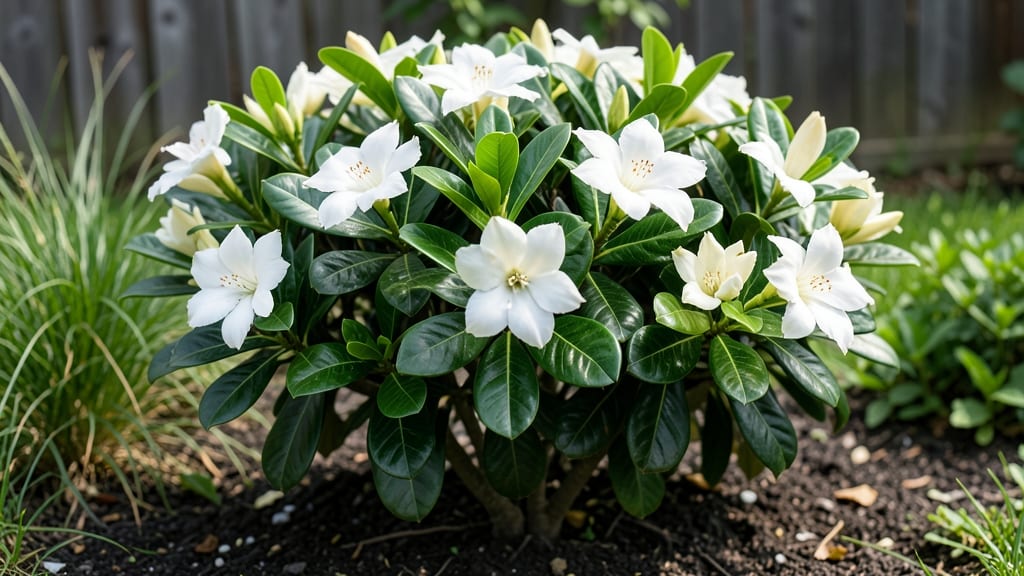
Gardenia blooms in Florida typically arrive between April and September, but the exact timing depends on whether you’re in steamy Miami or sunny Orlando.
If you’ve ever admired gardenias’ intoxicating fragrance and velvety blossoms, timing their bloom in Florida is key—because these tropical beauties don’t follow a one-size-fits-all schedule. From steamy Miami to sunny Orlando, their flowering windows shift dramatically by region, climate, and even variety.
In North Florida, where cooler springs delay things, buds often open in May or June, while South Florida gardenias may start as early as March, stretching into late summer. The secret? A balance of warmth, humidity, and just the right amount of shade to keep those blooms happy.
Below, I’ll break down the month-by-month timeline by region, plus the simple care tricks to make your gardenias bloom longer and brighter—so you can enjoy their heavenly scent all season long.
Florida gardenia bloom seasons by region: exact months & climate factors
Florida’s gardenias are legendary for their intense fragrance and velvety white blooms, but their bloom timing varies wildly depending on where you live. In North Florida, cooler winters delay blooms until late spring, while South Florida’s tropical climate can trigger early spring or even winter blooms.
Even microclimates—like coastal areas versus inland—shift bloom windows by weeks. Understanding these patterns helps you plan for peak fragrance and longer-lasting blooms.
For example, my 'Kleim’s Hardy' gardenia in Jacksonville (North FL) rarely blooms before May 15, while my 'Radicans' in Miami (South FL) often starts in March. The difference? Temperature thresholds—gardenias need consistent 70°F+ daytime temps to set buds, and humidity plays a surprising role too.
Let’s break it down by region so you can sync your garden plans with nature’s schedule.
| Region | Primary Bloom Window | Key Climate Factors | Best Varieties |
|---|---|---|---|
| North Florida (Jacksonville, Gainesville) | Late May – Early August | Cooler winters (50°F lows), slower bud set | 'Kleim’s Hardy', 'Fortuniana' |
| Central Florida (Orlando, Tampa) | April – September (peaks June-July) | Moderate humidity, 75°F+ triggers blooms | 'Radicans', 'Veitchii' |
| South Florida (Miami, Key West) | February – October (year-round potential) | High humidity (80%+), minimal winter dormancy | 'Tahitian', 'Fortuniana' |
In North Florida, gardenias often wait until late May because cooler winters slow their metabolism. My Gainesville gardenia typically blooms in June, but if we get an early heatwave in May, buds may appear as early as May 15.
The key trigger is consistent 70°F+ temps for at least 7 days. Without this, buds form poorly or drop before opening. Humidity also matters—North FL’s drier air can cause buds to abort if soil moisture drops.
Central Florida’s Orlando and Tampa regions offer the most predictable bloom windows, with April through September being prime time. Here, 'Radicans' often blooms earliest in April, followed by 'Veitchii' in May-June.
The peak fragrance period is usually June-July, when temps hover around 85°F and humidity stays high. I’ve noticed that afternoon thunderstorms can actually boost blooming by increasing humidity without scorching the plants.
South Florida’s Miami and Key West gardenias defy the rules entirely. My tropical 'Tahitian' gardenia often blooms in February, sometimes even January, because the warm, humid climate keeps them active year-round. The lack of winter dormancy means they can produce multiple bloom cycles if conditions are right.
However, intense summer heat (above 90°F) can cause buds to burn or drop, so afternoon shade is critical here.
Microclimates within regions also play a huge role. For example, coastal areas like St. Augustine or Fort Lauderdale experience cooler nights due to ocean breezes, which can delay blooms by 2-3 weeks compared to inland spots.
Conversely, heat islands in cities like Tampa or Orlando can trigger earlier blooms because urban areas trap heat. If you’re unsure about your microclimate, observe nearby gardenias—their bloom timing will give you a local benchmark.
Another factor is soil acidity. Gardenias thrive in pH 5.0-6.5 soil, and alkaline soils (common in North FL) can stunt blooms. I’ve seen gardenias in Jacksonville with pH 7.0+ soil produce fewer blooms and smaller flowers.
Amending soil with peat moss or sulfur can shift the bloom window earlier by 1-2 weeks by improving nutrient uptake. Fertilizing with acid-forming granules in early spring also encourages stronger bud formation.
Light conditions matter too. In South Florida, gardenias need partial shade to avoid bud burn from intense afternoon sun. I’ve pruned lower branches on my Miami gardenia to create a dappled shade effect, which extended its bloom season by 3 weeks.
In contrast, North Florida gardenias can handle more direct sun because cooler temps reduce heat stress. The rule of thumb? Morning sun + afternoon shade works best statewide.
Finally, watering habits influence bloom timing. Gardenias are thirsty plants, but
How to extend gardenia blooms in Florida: pruning, fertilizing & care tips
Florida’s heat and humidity can be a gardener’s dream for gardenias—but they also demand precise care to keep those fragrant blooms coming. The key to extending your gardenia’s flowering season lies in timely pruning, acidic soil, and smart watering.
Unlike many plants, gardenias bloom on old wood, so aggressive pruning can shorten their season. Let’s dive into the proven strategies that’ll keep your gardenias in bloom for months.
First, the soil pH is non-negotiable. Gardenias thrive in acidic soil (pH 5.0-6.5). If your soil tests higher, amend it with peat moss or sulfur—this single adjustment can double your blooms. Florida’s sandy soils often need extra help, so test annually.
Pair this with a balanced fertilizer (8-4-8 NPK) applied every 6-8 weeks during growing season (spring-fall). Over-fertilizing causes leafy growth at the expense of flowers, so moderation is key.
One of the biggest mistakes I see is pruning at the wrong time. Gardenias bloom on last year’s wood, so cutting back in early spring removes potential flower buds. Instead, prune lightly after blooming (August-September) to shape the plant and remove only dead or diseased branches.
For potted gardenias, a gentle trim in late summer keeps them compact without sacrificing flowers.
Florida’s summer heat can stress gardenias, causing buds to drop before opening. To combat this, reduce afternoon sun exposure and increase watering frequency to daily deep soaks during heatwaves. A light layer of mulch also helps retain moisture and cool roots.
In North Florida, where winters dip below 40°F, protect plants with burlap wraps to prevent cold damage, which can delay spring blooming.
For longer blooming seasons, try these two pro tips: First, feed lightly in fall (September-October) to encourage winter blooms in mild zones like South Florida. Second, rotate your gardenia every few years to refresh the soil.
Old soil loses nutrients, and gardenias thrive in fresh, acidic conditions. With these adjustments, your gardenias can bloom year-round in South Florida or from spring to fall in North Florida.
Remember, patience and consistency pay off. Gardenias reward careful gardeners with months of intoxicating fragrance. Start with soil pH, master the pruning timing, and keep roots cool and moist. Soon, your garden will smell like a tropical paradise—without the travel.