
Blooming
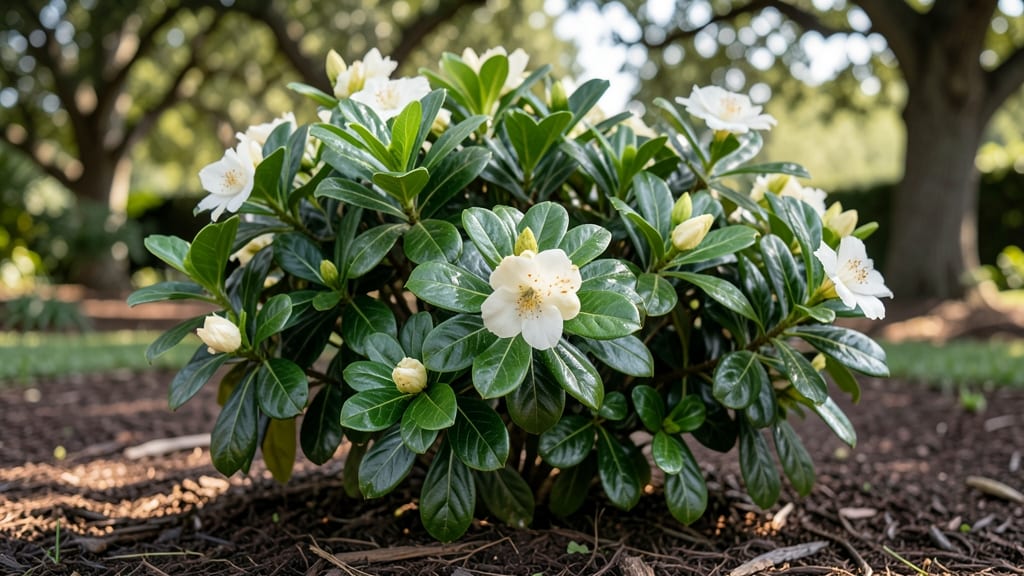
Gardenia blooms in Texas typically arrive between late spring and early summer, with most varieties lighting up your yard from May to July—though your exact timing depends on your heat zone and the specific type you’re growing.
If you’ve ever dreamed of filling your Texas garden with intoxicating gardenia blooms, timing is everything—miss the window, and you’ll be left with fragrant leaves but no flowers. But when exactly should you expect those iconic white blossoms to appear in Texas’ sweltering summers?
Texas gardenias thrive in zones 8a-10b, but their bloom schedules shift dramatically from the humid East to the drier West.
In East Texas (Zone 8a), where summers arrive early, you might spot those first delicate buds as early as April, while gardenias in West Texas (Zone 10b) often wait until June or July—when the heat finally eases.
Below, I’ll break down the exact months for popular varieties, how to tweak your care routine to encourage earlier (or longer) blooms, and why some gardenias in your neighbor’s yard might be flowering weeks before yours—plus five pro tips to keep your 🌸 shrubs blooming like clockwork all season.
Texas gardenia bloom seasons by variety: month-by-month breakdown
If you're planning your Texas garden around gardenia blooms, timing is everything—especially when dealing with USDA Zones 7-10. While most varieties prefer spring blooming, Texas' heat zones create subtle shifts in peak bloom times.
For example, G. jasminoides (the classic gardenia) typically bursts into bloom in March across most of Texas, but G. radicans (the climbing gardenia) often starts earlier in East Texas (Zone 8). Understanding these patterns helps you time plantings and pruning for maximum fragrance.
Texas' humidity levels and temperature fluctuations also play a role. In West Texas (Zones 9-10), gardenias may delay blooming until late April due to drier conditions, while South Texas (Zone 9) can see extended blooming into May thanks to higher humidity.
Even within the same zone, microclimates—like urban heat islands—can shift bloom windows by 2-4 weeks. These nuances mean your Houston gardenia might bloom 3 weeks earlier than one in Austin.
Here’s the month-by-month breakdown for Texas’ most popular gardenia varieties, including early bloomers, peak season, and late-season varieties that defy Texas’ summer heat. Use this as your gardening calendar to plan for cutting flowers, photography, or simply enjoying their intoxicating scent.
🌸 Pro Tip: In North Texas (Zone 8), gardenias often need a winter chill period (below 50°F) to trigger blooming. If you’re in Zone 10, where winters are mild, consider pruning in late winter to encourage spring flushes.
For G. jasminoides, the gold standard of gardenias, your Texas bloom season typically kicks off in late February in South Texas (Zone 9) but waits until early March in North Texas (Zone 8).
This variety’s peak bloom spans March through April, with South Texas often enjoying a second flush in May if conditions stay mild. If you’re in West Texas (Zone 10), expect blooms to lag until late March due to lower humidity and hotter afternoons.
If you’re growing G. radicans, the climbing variety,
How Texas heat zones and humidity affect gardenia blooming times
Texas gardenias thrive in our warm climate, but their blooming times can vary dramatically depending on whether you're in East Texas (Zone 8) or West Texas (Zones 9/10). The key difference? Humidity levels.
East Texas' muggy air triggers earlier blooms, while West Texas' drier conditions often delay flowering until later in spring. Understanding these patterns helps you time your care routine perfectly for maximum blooms.
In East Texas (Zone 8), gardenias often begin blooming as early as late February, with peak flowering in March and April. The high humidity here mimics their native tropical conditions, encouraging early bud development.
Meanwhile, in West Texas (Zones 9/10), where humidity drops below 50%, blooms may not appear until April or even May, as the plants wait for consistent moisture.
Here’s how to adjust your gardening strategy based on your Texas location to ensure stunning gardenia blooms:
- Zone 8 (East Texas): Start fertilizing with acidic fertilizer in January to jumpstart blooms. The high humidity here means you’ll need to water less frequently but still keep soil moist.
- Zone 9/10 (West Texas): Wait until mid-March to fertilize, as the drier air slows early growth. Use mulch heavily to retain moisture and protect roots from drying winds.
- Pruning Tip: In both zones, prune after blooming (late spring) to remove dead wood and encourage next year’s flowers. Avoid heavy pruning in Zone 9/10 until May to prevent stress from heat.
- Shade Adjustment: In West Texas, provide afternoon shade to prevent bud drop from heat stress. East Texas gardenias can handle more sun but still benefit from morning shade during peak summer months.
- Drought-Proofing: In Zone 9/10, use drip irrigation to deliver water directly to roots, reducing evaporation. Add 2-3 inches of mulch to lock in moisture for weeks.
If you’re in a drought-prone area (Zone 9/10), consider planting dwarf varieties like 'Radicans', which bloom slightly earlier and handle heat better. These varieties also require less water once established, making them ideal for West Texas landscapes.
For East Texas gardeners, focus on regular pruning to maintain airflow and prevent fungal issues from the humidity.
One of my favorite tricks for extending blooms is light pruning in early summer—just trim back any leggy growth by 1/3. This encourages a second flush of flowers in late summer or fall, especially in Zone 8 where the humidity stays higher.
Just avoid pruning after mid-July, as new growth won’t harden off before winter.
Remember, gardenias are sensitive to stress, so consistency is key. Whether you’re battling East Texas humidity or West Texas dryness, acidic soil (pH 5.0-6.0) and regular watering are non-negotiable. With the right adjustments, you can enjoy those fragrant blooms for months, not just weeks! 🌸