
Fertilization
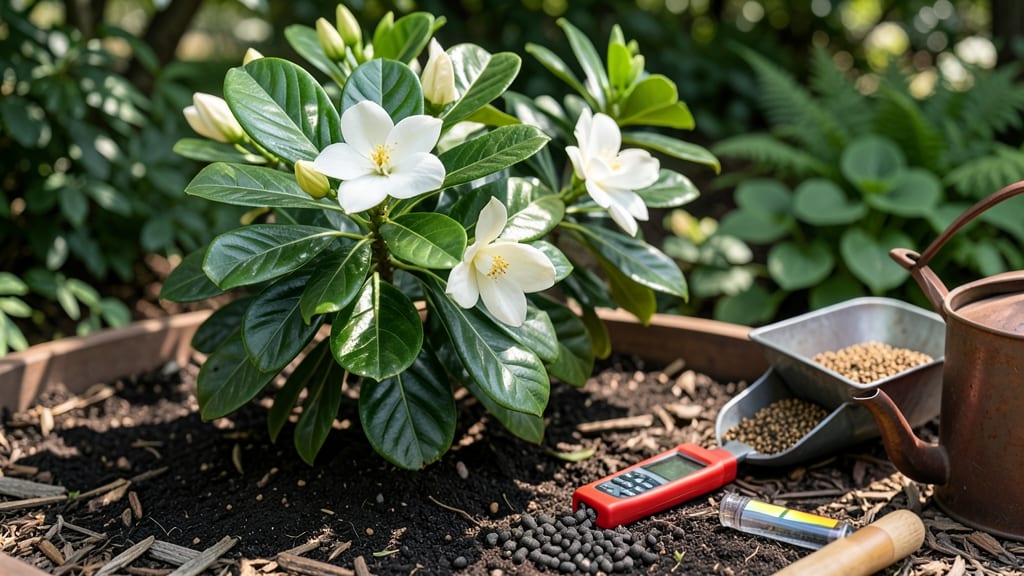
You fertilize gardenias in spring and early fall — timing that makes all the difference between fragrant blooms and struggling shrubs.
Struggling to keep your gardenias blooming beautifully? The secret lies in timing—fertilizing at the wrong time can stunt growth or even kill your plant. I’ve watched gardenias 🌸 wither from over-fertilization in summer and fail to bloom because they missed the spring feeding window.
Gardenias thrive when fed right after the last frost (around April in Zone 6a) and again in early September to strengthen roots before winter. This schedule aligns with their natural growth cycle, ensuring lush foliage and abundant flowers without burning the plant.
Below, I’ll break down the exact months to fertilize, the best types of fertilizer for gardenias, and how to adjust your schedule based on your climate or whether your plant is young or mature.

Best times to fertilize gardenias for optimal blooming
Gardenias reward patience with their creamy white, intoxicating blooms, but timing your fertilization schedule is the real secret weapon. Unlike many plants, gardenias thrive when fed during two key windows—spring and fall—while avoiding summer and winter entirely.
This seasonal approach prevents stress, encourages robust root systems, and ensures abundant blooming for years.
Most gardeners make the mistake of fertilizing in summer heat or winter dormancy, which can shock the plant or waste nutrients. Instead, sync your feeding with the plant’s natural growth cycles: spring for new growth and fall for root strengthening.
This method mimics nature’s rhythm and keeps your gardenias healthy without overburdening them.
🌱 Why timing matters: Gardenias are acid-loving evergreens that need consistent moisture and nutrients, but they’re sensitive to nutrient burn and overstimulation. Fertilizing at the wrong time can lead to leaf drop, stunted blooms, or even plant death. The key is to feed when the plant is actively growing but not under stress.
In spring, your gardenia signals readiness to feed when you spot new leaf buds or pale green growth after winter. This is your cue to apply a balanced, acidic fertilizer (like 10-10-10 with sulfur) to fuel both foliage and blooms.
I always fertilize mine in late April—just as the last frost passes—and repeat every 6–8 weeks until early summer.
By mid-summer, shift to light feeding only. Gardenias produce energy for blooms, so over-fertilizing now can lead to leafy growth at the expense of flowers.
Instead, use half-strength fertilizer every 8 weeks to maintain health without stress. Watch for yellowing leaves or dropping buds, which are signs of overfeeding.
Fall is your last chance to prep your gardenia for winter. Stop fertilizing by early September to allow roots to harden off before cooler temps. This prevents tender new growth that could freeze or rot.
Instead, focus on mulching with pine bark to retain moisture and acidify the soil naturally—your gardenia will thank you with vibrant blooms next spring.
Winter is a hands-off season for gardenias. The plant enters dormancy, and any fertilizer applied now will wash out before roots can absorb it. Instead, monitor moisture levels—water bi-weekly if the top inch of soil is dry—and protect from freezing winds with burlap wraps if needed.
This patience pays off when buds form in late winter.
Pro tip: Use a soil pH test kit in early spring to confirm your gardenia’s soil is acidic (pH 5.0–6.5). If it’s too alkaline, mix in sulfur or peat moss before fertilizing.
Gardenias are fussy about pH, and even the best fertilizer won’t work if the soil is off.
For potted gardenias, adjust timing slightly: feed every 4–6 weeks from spring to early fall, but reduce amounts by 25% since pots dry out faster. Always water thoroughly 24 hours before fertilizing to prevent root burn—a mistake I made early on that nearly killed my first gardenia!
Remember, the goal is consistent, gentle feeding that aligns with your gardenia’s natural cycles. When you nail the timing, you’ll be rewarded with lush foliage and fragrant blooms
How to choose the right fertilizer for gardenias (and when to apply it)
Gardenias thrive when fed the right nutrients at the right time, but choosing the wrong fertilizer can lead to leaf burn or poor blooming. These acid-loving plants need acidic fertilizers with balanced NPK ratios (like 10-10-10 or 8-3-9) to support both foliage and flowers.
Organic options like fish emulsion or cottonseed meal are excellent choices, while synthetic blends with sulfur coatings work well too.
Timing is everything—feed your gardenias twice a year: once in early spring (after last frost) to kickstart growth, and again in late summer to prepare for blooming. Avoid fertilizing in fall or winter, as this can encourage tender new growth that won’t survive frost.
Over-fertilizing in summer can also stress the plant, leading to fewer flowers.
When to Fertilize Gardenias
| Season | Action | Why It Matters |
|---|---|---|
| Spring (April-May) | ✅ Feed | Encourages new growth and bloom buds after dormancy. |
| Summer (June-August) | ⚠️ Light Feed | Maintains blooms without overstimulating foliage in heat. |
| Fall (September-October) | ❌ Skip | Prevents tender growth before frost; plant enters dormancy. |
| Winter (November-March) | ❌ Skip | Plant is dormant; feeding wastes nutrients. |
For organic gardeners, a DIY compost tea is a fantastic alternative. Steep well-aged compost or worm castings in water for 24-48 hours, then strain and apply to soil.
This provides gentle, slow-release nutrients while improving soil structure. For synthetic options, look for acid-loving plant fertilizers labeled for azaleas or camellias—these are formulated for similar pH needs.
When applying fertilizer, always follow the package instructions for rates, but remember: gardenias are sensitive to excess salts. For mature plants, use 1 tablespoon per plant or 1 cup per 10 square feet of soil.
Water thoroughly before and after applying to prevent root burn. In containers, reduce the amount by half to avoid over-fertilizing the limited soil volume.
Watch your gardenias closely after fertilizing. Healthy leaves should be glossy and dark green, while yellowing leaves or crispy edges signal over-fertilization. If you see these signs, flush the soil with water to leach out excess salts.
For potted gardenias, consider repotting every 2-3 years to refresh the soil and prevent nutrient buildup.
With the right fertilizer and timing, your gardenias will reward you with lush foliage and fragrant blooms year after year. Start with a soil test to confirm acidity levels (pH 5.0-6.5), then choose your preferred feeding method—organic, synthetic, or DIY—and stick to the seasonal schedule for stunning results. 🌸