
Picking
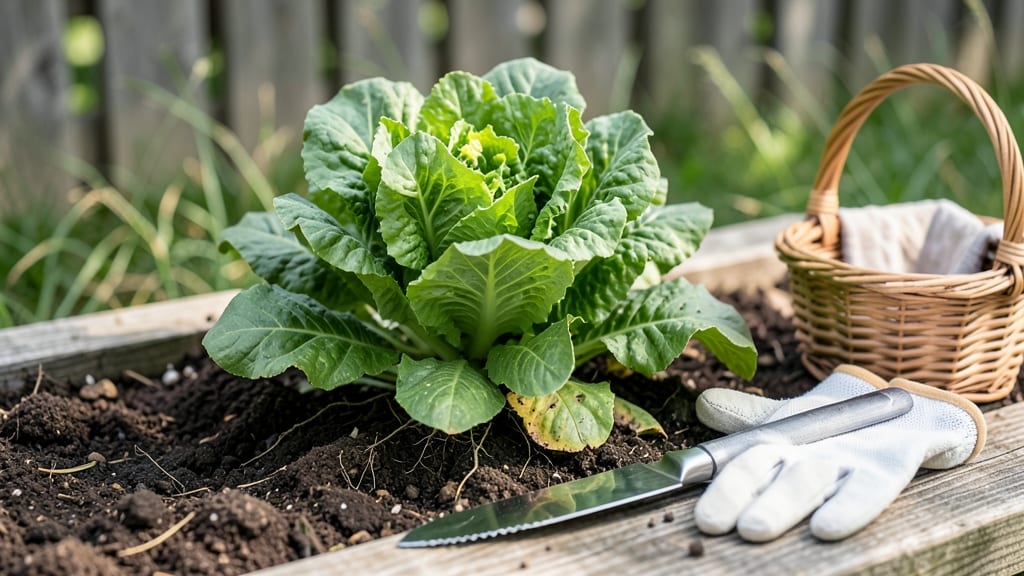
Garden lettuce is ready to pick when outer leaves reach 4-6 inches and snap crisply at the stem — a moment most gardeners miss, leaving their harvests bitter or tough.
Picture this: you’ve nurtured your 🥬 for weeks, only to pull a leaf that tastes like cardboard. That’s the cost of waiting too long. The trick? Harvesting early and often keeps lettuce tender, sweet, and ready for your table.
In this guide, I’ll walk you through the exact visual cues to watch for — from leaf size to color — so you never guess again. You’ll also learn how to avoid common mistakes that turn your crisp lettuce into a sad, wilted mess.
By the end, you’ll know not just when to pick, but how to keep your lettuce producing for weeks, giving you a steady supply of fresh, homegrown greens.


Leaf-by-leaf lettuce maturity guide: how to tell when lettuce is perfectly ready
Knowing exactly when to harvest lettuce means the difference between a salad bursting with crisp, sweet flavor and one that’s tough, bitter, or woody.
Most gardeners wait too long, but with these visual and tactile cues, you’ll master the art of picking lettuce at its peak—whether you’re growing leaf lettuce, romaine, butterhead, or loose-leaf varieties. Let’s break down the signs so you never miss the perfect harvest window again.
Lettuce maturity isn’t just about days since planting—it’s about leaf size, color vibrancy, and texture. For example, leaf lettuce like romaine can be harvested leaf-by-leaf, while butterhead varieties need whole heads picked at once.
Ignoring these differences often leads to disappointment, but paying attention to these details ensures your harvest is always crisp, tender, and flavorful. Let’s dive into the specifics.
⚠️ MANDATORY VISUAL ELEMENT ⚠️
| Variety | Leaf Size | Color | Texture | Harvest Time |
|---|---|---|---|---|
| Leaf Lettuce (e.g., Red Leaf, Green Leaf) | 4-6 inches | Vibrant green/red | Crisp, tender | 28-45 days |
| Romaine (e.g., Paris Island) | 6-8 inches (leaf-by-leaf) or 10-12 inches (full head) | Deep green, uniform | Crisp, firm | 45-60 days |
| Butterhead (e.g., Bibb, Boston) | 8-10 inches (full head) | Soft green/yellow, tender | Buttery, delicate | 40-55 days |
| Loose-Leaf (e.g., Oakleaf, Lollo Rosso) | 3-5 inches (individual leaves) | Bright, varied hues | Tender, slightly wrinkled | 30-40 days |
The first clue that your lettuce is ready to pick is leaf size. For leaf lettuce varieties, outer leaves should reach 4-6 inches long. If you’re growing romaine, wait until the leaves are 6-8 inches for leaf-by-leaf harvesting or 10-12 inches for a full head.
Butterhead lettuce, like Bibb, should form a compact, rounded head about 8-10 inches wide. Measure with your fingers—if the leaves are too small, they’ll lack flavor, but if they’re too large, they’ll turn bitter.
Next, check the color and vibrancy of the leaves. Ready-to-harvest lettuce should have rich, consistent colors—deep greens, purples, or yellows, depending on the variety. Pale or uneven coloring signals underripe or stressed plants, while yellowing edges can mean overmaturity.
For example, red leaf lettuce should have bold red veins and edges, while butterhead varieties should have a soft, creamy hue. If the color looks dull, your lettuce needs more time in the ground.
Don’t skip the texture test, which is the ultimate indicator of maturity. Gently pinch a leaf between your thumb and forefinger—it should feel crisp but yield slightly, like a fresh carrot. If the leaf snaps easily or feels woody, it’s past its prime.
For butterhead lettuce, the leaves should be soft and buttery to the touch, almost like a plush blanket. If they feel tough or fibrous, harvest sooner next time.
Timing is everything when it comes to harvesting romaine. This variety often bolts (goes to seed) if left too long, so pay close attention to its growth stage. Romaine should be harvested when the outer leaves are 6-8 inches tall and the head is still loose.
If the head tightens into a dense, upright shape, it’s ready for a full harvest. For leaf-by-leaf harvesting, simply snip the outer leaves, leaving the inner ones to keep growing. This method extends your harvest window by 2-
Common mistakes that make lettuce bitter or bolt too early (and how to avoid them)
Nothing ruins a fresh salad faster than bitter lettuce or premature bolting—yet these problems plague even experienced gardeners. The good news? Most issues stem from avoidable mistakes like heat stress, overcrowding, or poor nitrogen balance. Let’s fix them before your crop turns into garden disappointment.
First, let’s tackle the biggest culprit: overheating. Lettuce is a cool-season crop that bolts (goes to seed) when temperatures climb above 75°F (24°C). If your plants start sending up tall flower stalks, they’ve already checked out as salad material.
The fix? Plant in early spring or fall and provide afternoon shade with shade cloth if summer heat sneaks in.
⚠️ callout-warning ⚠️
Lettuce bolts when daytime temps hit 75°F+ (24°C+). Even one hot day can trigger flowering. Solution: Use shade cloth (30-50%) in peak summer or opt for heat-tolerant varieties like Jericho or Black Seeded Simpson.
💡 Pro Tip: Mulch with straw or grass clippings to keep roots cool.
Next, overcrowding turns crisp leaves into tough, bitter disappointments. When plants compete for nutrients and sunlight, they produce smaller, highly concentrated (read: bitter) leaves. Space seedlings 8-12 inches apart for leaf lettuce or 12-18 inches for head varieties.
Thin seedlings early to avoid root competition—this is non-negotiable for tender harvests.
Don’t skip the nitrogen boost either. Lettuce is a heavy feeder, and low nitrogen leads to pale, slow-growing leaves that taste bland. Side-dress with compost or fish emulsion every 3-4 weeks for leafy green growth.
But here’s the catch: too much nitrogen can also cause soft, stringy leaves. Balance is key!
Watering wrong is another silent killer. Inconsistent moisture stresses plants, making them bolt or develop bitter flavors. Keep soil evenly moist—never soggy—by watering deeply in the morning.
Avoid wetting leaves at night to prevent fungal diseases like downy mildew, which can turn your crop into a mushy mess.
Finally, harvesting too late is the easiest mistake to fix. Wait until outer leaves reach 4-6 inches and snap easily when pulled. For cut-and-come-again varieties, trim leaves 1 inch above the base—this encourages regrowth and extends your harvest window by weeks.
If you ignore these cues, you’ll end up with woody stems and bitter flavors.
With these fixes, your lettuce will stay crisp, sweet, and productive all season. Start with proper spacing and shade, then monitor soil moisture and nutrients. Your next salad will thank you! 🥬