
Fertilization
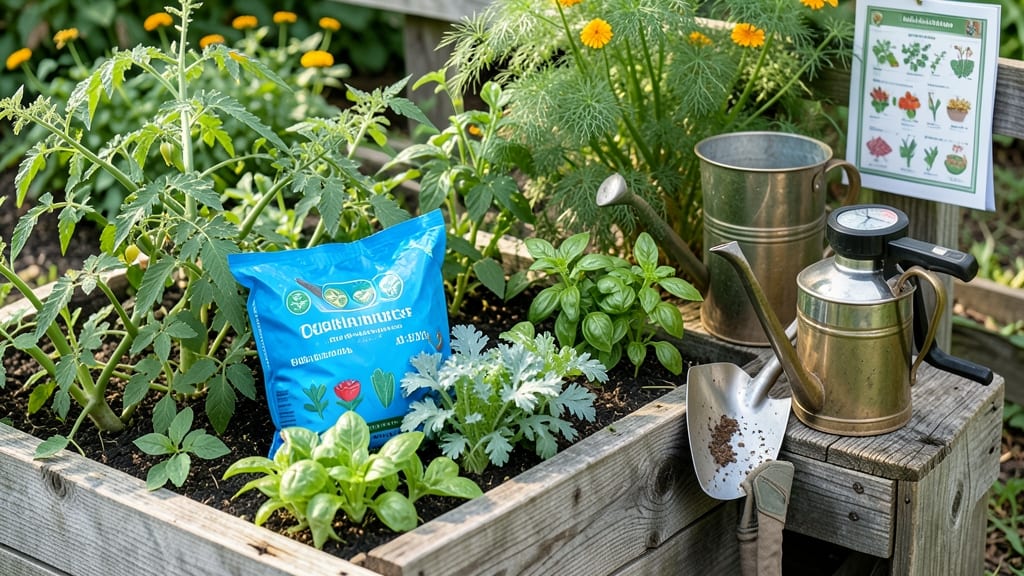
Fertilizing your garden at the right time is the difference between lush, productive plants and struggling ones that never quite reach their potential 🌱.
Timing your garden fertilization isn’t just about throwing down nutrients—it’s about syncing with your plants’ growth cycles to maximize yields and avoid burning roots. Without a soil-test-guided schedule, you might be over- or under-feeding, wasting money and effort.
Think of it like feeding a growing child: too little and they don’t thrive, too much and they get sick. The key is feeding your garden when it’s hungry—right after planting, during rapid growth, and before flowering or fruiting.
In this guide, I’ll walk you through the best times to fertilize based on soil tests, plant types, and seasonal growth patterns—so you can grow a stronger, healthier garden with less guesswork.

Soil-test-based fertilization timeline for healthy plant growth
Understanding your soil test results is the first step to creating a fertilization plan that works with your garden’s natural rhythms. A soil test reveals three critical numbers: pH levels, nitrogen (N), phosphorus (P), and potassium (K).
These determine when and how much to feed your plants—whether they’re fast-growing vegetables or slow-maturing perennials. Without this data, you risk over- or under-feeding, which can stunt growth or burn roots.
Your fertilization timeline should align with seasonal growth cycles. For example, spring feeding kickstarts root development, while summer applications support flowering and fruiting. Fall is typically a low-fertilizer season to encourage root hardening before winter.
Let’s break down how to use your soil test to create a precise schedule tailored to your garden’s needs.
Soil Test Interpretation Guide:
| Plant Type | Best Fertilization Time | Soil pH Range | NPK Ratio Recommendation | Frequency |
|---|---|---|---|---|
| Vegetables (Tomatoes, Peppers, Lettuce) | Spring (planting) + Every 4-6 weeks | 6.0–7.0 | 10-10-10 (balanced) or 5-10-10 (for fruiting) | 4–6 applications per season |
| Perennials (Roses, Lavender, Hostas) | Early spring + Late summer | 5.5–7.0 (varies by plant) | 5-10-10 (for flowering) or 3-4-6 (for foliage) | 2–3 applications per season |
| Lawns (Cool-Season Grasses) | Early spring + Fall | 6.0–7.0 | 30-0-5 (high nitrogen) | 2–4 applications per season |
| Annual Flowers (Marigolds, Petunias) | At planting + Every 3–4 weeks | 6.0–7.5 | 5-10-5 (for blooms) | 3–5 applications per season |
| Herbs (Basil, Cilantro, Parsley) | Spring (planting) + Mid-summer | 6.0–7.0 | 10-10-10 (balanced) | 2–3 applications per season |
For fast-growing plants like lettuce or radishes, focus on nitrogen-rich fertilizers early in the season to boost leafy growth. These plants thrive with light, frequent feedings every 3–4 weeks. In contrast, slow growers like asparagus or rhubarb benefit from phosphorus and potassium to strengthen roots and prepare for dormancy.
Adjust your NPK ratio based on your soil test—if phosphorus is low, opt for a 5-10-10 blend to encourage flowering.
Seasonal adjustments are key. In spring, prioritize root development with a balanced fertilizer applied at planting and again in early summer. By mid-summer, switch to a lower-nitrogen formula to support fruiting and flowering.
Avoid fertilizing in late summer or fall, as this can stimulate tender new growth that won’t survive frost. Instead, focus on organic matter additions like compost to improve soil structure for next year.
Your soil pH plays a huge role in nutrient availability. For instance, acid-loving plants like blueberries need a pH of 4.5–5.5, while alkaline-tolerant plants like lavender thrive at 7.0–8.0. If
Common mistakes that ruin fertilization timing (and how to fix them)
Even experienced gardeners sometimes misjudge when to fertilize, leading to wasted nutrients or stressed plants. One of the biggest mistakes is applying fertilizer during winter dormancy. Most plants slow growth in cold months, so feeding them then can cause root burn or encourage weak, frost-sensitive growth.
Another common error is ignoring plant-specific needs. Fast-growing vegetables like lettuce or radishes need frequent, light feedings, while perennials like roses or lavender thrive on slow-release nutrients. Mixing these up leads to either stunted growth or nutrient runoff.
🌱
⚠️ Warning: Timing Errors That Harm Your Garden
- Winter fertilization forces growth when roots can't absorb nutrients efficiently.
- Ignoring soil tests leads to over- or under-fertilizing based on guesswork.
- Heavy feeding before rain causes nutrients to wash away, polluting waterways.
- Fertilizing stressed plants (drought, disease) shocks them further.
Many gardeners also misread soil test results, especially the NPK ratios. A high nitrogen reading might seem great, but if your plants need phosphorus for flowering, that imbalance causes leafy growth without blooms. Always match fertilizer to your soil's deficiencies.
For drought-prone areas, timing matters even more. Apply fertilizer in early spring when moisture is consistent, then switch to slow-release options in summer to prevent leaching. In clay-heavy soils, avoid fertilizing when soil is compacted—wait for a rain event to loosen it first.
One fix I swear by is creating a seasonal fertilization calendar. Mark your last frost date, then plan feedings 4-6 weeks after planting for spring crops and mid-summer for fall harvests. Use organic options like compost tea for slow, steady nutrient release.
Finally, watch for plant signals like yellowing leaves (nitrogen deficiency) or stunted growth (phosphorus shortage). These clues tell you when to adjust your schedule—don't just follow a generic timeline. Every garden is unique, so stay flexible with your approach.
🌿