
Planting
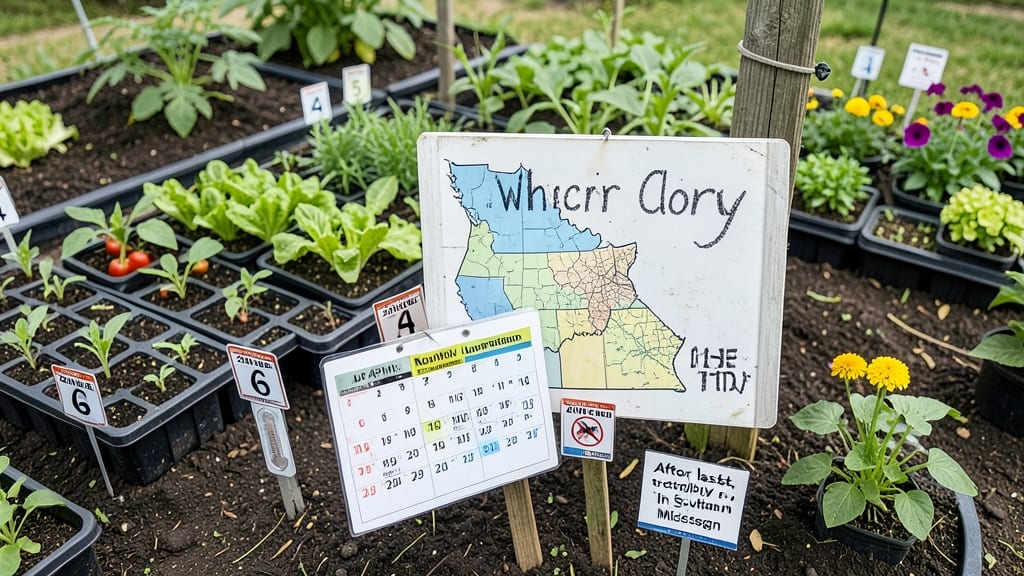
Planting your garden in Michigan at the right time means the difference between a lush, productive plot and a season of disappointment—so timing your General Vegetable Garden 🌱 after the last frost is everything.
Michigan’s short growing season means you’ve got just 165 frost-free days to work with, and missing that window can leave you with stunted plants or no harvest at all.
Whether you’re sowing cold-hardy greens or heat-loving tomatoes, knowing the exact dates for your USDA Zone 5b-6b area is the key to success.
From mid-April to mid-June, the clock is ticking—but not all crops play by the same rules. Cool-weather plants like peas and spinach can go in early, while tomatoes and peppers need to wait until the soil is warm enough.
I’ll break down the optimal planting windows for every major crop, plus how to adjust if spring drags on.
Ready to avoid the common mistakes and make the most of Michigan’s growing season? You’ll learn the exact deadlines for your region, soil prep secrets, and how to stretch your harvest into fall—so you don’t waste a single day.
Michigan planting deadlines by USDA Zone 4-5: cold-hardy vegetables vs. warm-season crops
Michigan’s USDA Zones 4-5 demand precision when planting—miss your window, and frost will claim your tomatoes or peppers before they mature. The key?
Knowing your last frost dates (Detroit: May 10, Grand Rapids: May 15, Traverse City: May 20) and matching crops to their ideal planting windows. Cold-hardy veggies like spinach and peas thrive in cool soil, while cucumbers and beans need warmth to germinate.
For Zone 4-5 gardeners, the difference between a bountiful harvest and a failed crop often comes down to timing. Start warm-season crops indoors 6-8 weeks before your last frost, then transplant after soil reaches 60°F+.
Meanwhile, cool-season crops can handle 40°F soil and even light frosts, making them ideal for early spring or fall plantings.
Here’s the critical comparison for 15+ essential crops, including planting windows, soil temperature needs, and regional adjustments for Michigan’s microclimates. Use this as your garden calendar to avoid common mistakes like planting tomatoes too early or kale too late.
Michigan Planting Deadlines by Crop Type
| Crop | Planting Window | Soil Temp (°F) | Last Frost Buffer | Notes |
|---|---|---|---|---|
| Spinach | March 15 - April 30 | 40-50°F | Tolerates light frost | Direct sow or transplant |
| Peas | April 1 - May 15 | 40-50°F | Hardy to 20°F | Sow directly |
| Lettuce | March 20 - September 1 | 45-55°F | Avoid summer heat | Successive plantings |
| Tomatoes | April 15 - May 10 (transplant) | 60°F+ | Wait 2 weeks after last frost | Start indoors 6-8 weeks early |
| Peppers | April 20 - May 15 (transplant) | 65°F+ | Use row covers for late frost | Start indoors 8-10 weeks early |
| Cucumbers | May 10 - June 1 | 65°F+ | Wait for warm soil |
How to adjust planting times for Michigan’s unpredictable spring weatherMichigan’s spring weather can be as unpredictable as a toddler’s mood—one day warm and sunny, the next a surprise frost that turns your tender seedlings into sad, crispy snacks. To beat the odds, I’ve learned to play it smart with soil temperature checks, protective covers, and backup planting dates. These strategies have saved my tomatoes and beans more times than I can count! First, forget relying solely on the last frost date. While Detroit’s average last frost is May 15th, Traverse City might still see frost in early June. Instead, I use a soil thermometer to gauge when the ground is truly ready. Most warm-season crops like peppers and cucumbers need soil at 60°F (15°C) or warmer before planting. ⚠️ callout warning ⚠️
🚨 Late Frost Alert!
Michigan’s late spring frosts (after April 15th) can wipe out unprotected plants. Here’s my 3-step frost-proofing plan:
Pro tip: Cold frames extend the season by 3-4 weeks for early starts! For high-risk crops like corn and beans, I’ve adopted a staggered planting approach. Instead of planting all my bush beans at once in early May, I split them into two batches: one in late May and another in early June. This way, if the first batch gets hit by frost, the second still has a chance to thrive. It’s like gardening insurance! Don’t overlook soil temperature fluctuations, either. Even if the air feels warm, cold soil can stunt growth. I test my soil every morning before planting—if it’s below 50°F (10°C), I wait. For cool-season crops like lettuce and carrots, though, I plant as soon as the soil is workable, even if it’s still chilly. They’ll bolt in heat, but frost won’t kill them. Another trick I swear by? Black plastic mulch. It warms the soil faster than bare earth and suppresses weeds. Lay it down a week before planting warm-season crops like tomatoes and peppers. The soil beneath it can be 10°F (5°C) warmer than surrounding areas, giving your plants a head start. Plus, it keeps moisture in—critical during Michigan’s unpredictable spring rains. Finally, keep a gardening journal to track your local patterns. Note when your last frost actually occurs each year and adjust your planting dates accordingly. Over time, you’ll spot trends—maybe your area gets frosts until June 5th instead of the average date. Armed with this knowledge, you’ll outsmart Mother Nature and enjoy a longer harvest season every year. 🌱 |