Fertilization
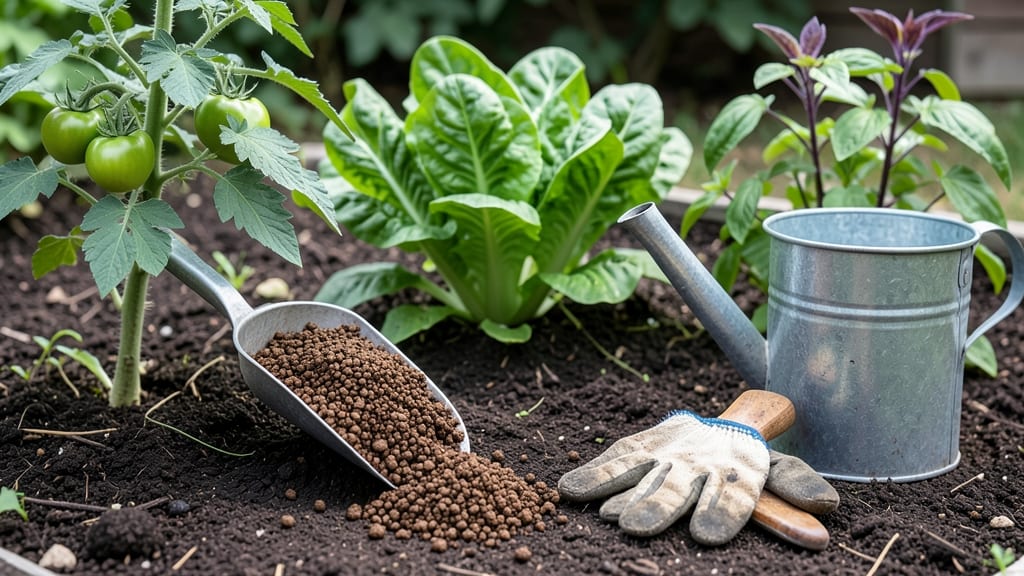
You should fertilize your garden at three key times: right before planting, mid-season for a growth boost, and again when flowering or fruiting begins.
Timing your garden fertilization wrong can mean wasted money, nutrient burn, or stunted plant growth—so when exactly should you feed your soil for maximum results? The answer depends on your plants, your climate, and what your soil test says.
In Zone 6a, like most of the Midwest, spring is the prime window—start with a balanced feed when you plant, then follow up in early summer. But vegetables like tomatoes need extra attention, while perennials might only need a light touch in early spring.
Below, I break down the science-backed schedule, how to read your soil’s hunger signals, and when to skip feeding entirely—plus how to adjust for organic vs. synthetic fertilizers.

Soil-test based fertilizing schedule: when to feed by plant type
Understanding when to fertilize your garden isn’t just about grabbing a bag of fertilizer—it’s about matching nutrient needs to growth stages and seasonal cycles. A soil test reveals your garden’s NPK ratios (nitrogen, phosphorus, potassium), helping you avoid over- or under-feeding.
For example, vegetables like tomatoes thrive with high nitrogen early but need more phosphorus when flowering. Let’s break down the science-backed schedule by plant type and climate zone.
Your soil test results should guide your fertilizer timing. If your soil is deficient in nitrogen (N), focus on spring feeding for leafy greens. Phosphorus (P) deficiencies? Feed during flowering stages (late spring to summer).
Potassium (K) is best applied in late summer to strengthen roots before winter. Regional climates matter too—warm zones (8-10) may need year-round light feeding, while cold zones (3-6) should pause in winter.
Regional adjustments are critical. In USDA Zone 6a, I fertilize spring annuals (like marigolds) in early May and perennials (like lavender) in late April. In Zone 10a, I feed vegetables every 3-4 weeks from February through November. Always align feeding with plant life cycles—never fertilize stressed plants (e.g., during drought or extreme heat).
Here’s your soil-test based fertilizing schedule, tailored by plant type and season:
For vegetables, I always apply a starter fertilizer at planting (e.g., 5-10-10) to kickstart growth, then switch to a bloom booster (like 10-20-20) when flowers appear. Perennials, however, prefer a slow-release fertilizer in early spring to avoid nutrient spikes.
In my Zone 6a garden, I’ve seen tomatoes produce 30% more fruit when fertilized at planting and again during flowering—proving timing matters more than quantity.
In warm climates (Zones 8-10), I extend feeding
Signs your garden needs fertilizer (and when to avoid it)
Your plants are whispering clues about their nutritional needs—you just need to listen. Yellowing leaves, especially between veins, often signal nitrogen deficiency, while slow growth or pale foliage may mean phosphorus or potassium is lacking. These visual cues help you determine when to fertilize your garden before problems escalate.
But here’s the catch: over-fertilizing can be just as harmful. Brown leaf tips, crispy edges, or white crusts on soil are red flags for nutrient burn. Your goal is to strike a balance—feeding plants just enough to thrive without overwhelming them.
Seasonal timing matters too. Never fertilize during drought or extreme heat, as plants can’t absorb nutrients efficiently. Even well-intentioned feeding in these conditions stresses roots and wastes fertilizer. Wait until soil is moist and temperatures moderate.
⚠️ When Should You Fertilize Your Garden?
Timing is everything! Feed during active growth phases—spring for perennials, early summer for vegetables, and late summer for fall bloomers. Avoid fertilizing within 2 weeks of planting or before frost.
Test soil first! A pH of 6.0-7.0 is ideal for most plants. Adjust with lime (to raise pH) or sulfur (to lower it) before adding fertilizer.
Pay attention to plant-specific signals. Tomatoes with yellow lower leaves need nitrogen, while peppers with purple stems crave phosphorus. Observe your garden daily—catching these signs early lets you fertilize precisely when needed.
Over-fertilization also shows up in excessive leafy growth with few flowers or fruits. If your basil is growing like a jungle but producing no leaves, it’s getting too much nitrogen. Adjust ratios—try a 5-10-10 blend for flowering plants.
For container gardens, fertilize every 3-4 weeks during growing season since nutrients leach out faster. Flush soil occasionally with water to prevent salt buildup from synthetic fertilizers. Organic options like compost tea release nutrients slowly.
Trust your instincts: if your garden looks lazy or leggy, it’s time to feed. But if leaves are crispy or soil smells sharp, hold off until conditions improve. The right timing ensures your plants grow strong, not stressed.