
Planting
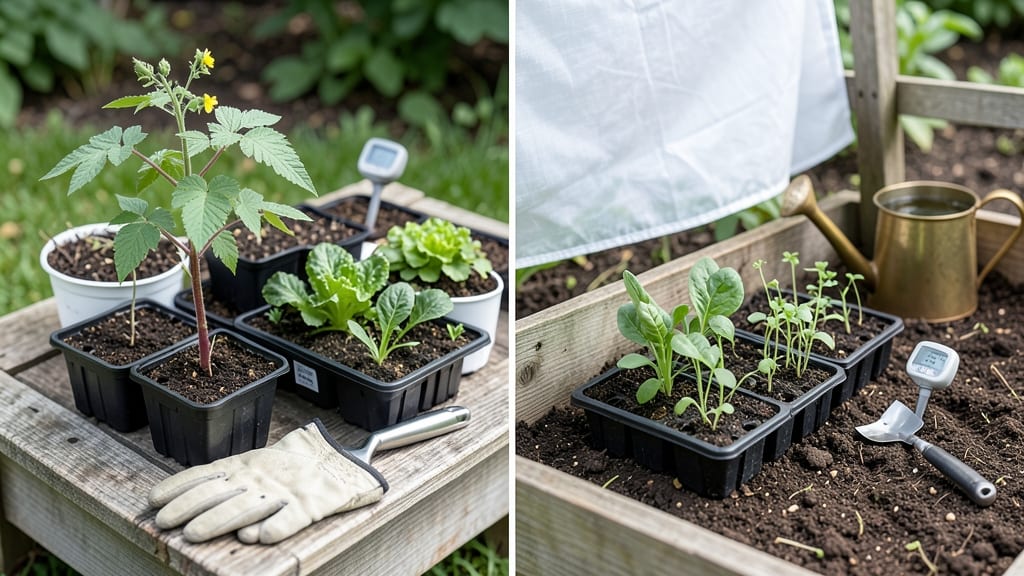
You should plant a garden in Ohio when the soil warms to 50°F and the last frost has passed — typically between April and early May in most regions, but timing shifts dramatically from the southern border to the northern border.
Ohio’s unpredictable frost dates can turn a thriving garden into a frozen disappointment—unless you plant at the perfect time for your microclimate. Miss the window, and your tomatoes, peppers, or lettuce may never reach their full potential.
Whether you’re in Zone 5a or Zone 6b, the key is knowing your local frost averages and adjusting for urban heat islands or sheltered valleys.
Cool-season crops like spinach and peas can go in as early as March, while warm-season favorites like tomatoes need to wait until after May 15.
In this guide, I’ll break down the exact planting windows for Ohio’s most popular vegetables, share tricks to extend your season, and help you pick crops that thrive even when frost sneaks in early.
Ohio’s frost dates by region: when to plant cool-season vs. warm-season crops
Ohio’s USDA hardiness zones (5a-6b) create dramatic differences in frost timing—just 50 miles can mean 2 weeks earlier planting. Northern Ohio’s last spring frost often hits May 15, while southern Ohio may see April 15 safe planting.
These dates separate cool-season crops (like lettuce) from warm-season (tomatoes) to avoid frost damage.
Urban gardens in Columbus or Cleveland face heat islands that delay frost by 1-2 weeks compared to rural areas. Meanwhile, Appalachian regions (like Athens) can have earlier last frosts due to elevation. Always check local Almanac frost records—they’re more accurate than zone averages.
For cool-season crops (spinach, broccoli, peas), plant 4-6 weeks before last frost—typically March-April in southern Ohio and April-May in the north. Warm-season crops (tomatoes, peppers, cucumbers) need soil at 60°F+ and go in 2 weeks after last frost, usually May-June.
| Region | Last Frost (Avg.) | First Frost (Avg.) | Cool-Season Planting | Warm-Season Planting |
|---|---|---|---|---|
| Southern Ohio (5b-6a: Cincinnati, Columbus) | April 15 | October 30 | March 1 – April 15 | April 30 – May 15 |
| Central Ohio (5a-6a: Dayton, Mansfield) | April 25 | October 15 | March 15 – April 25 | May 10 – May 25 |
| Northern Ohio (5a-5b: Cleveland, Toledo) | May 10 | October 5 | April 1 – May 10 | May 20 – June 5 |
| Appalachian Ohio (6a-6b: Athens, Zanesville) | April 10 | November 5 | March 1 – April 10 | April 25 – May 10 |
Lettuce and spinach thrive in cool springs but bolt in summer heat. Start seeds indoors 4-6 weeks before last frost for earlier harvests. In northern Ohio, this means March sowing for May harvests—just before tomatoes can go outside.
For broccoli and cabbage, plant two batches: one in early spring (March-April) and another in late summer (August) for fall harvests. Southern Ohio’s longer growing season lets you squeeze in a third batch in June for July-August harvests.
Tomatoes and peppers are frost-sensitive—even 50°F can damage them. Use black plastic mulch to warm soil 2-3 weeks earlier or start transplants indoors in March. Harden off seedlings 2 weeks before outdoor planting to avoid shock.
Urban gardeners should plant 1-2 weeks later than rural areas due to heat retention. Rural spots with good airflow may plant earlier. Always test soil temperature with a thermometer—warm-season crops need 60°F+ soil, not just air temps.
Adjust for microclimates: South-facing slopes warm earlier, while low-lying areas stay cold longer. Row covers can extend cool-season planting by 3-4 weeks, while cold frames let you plant warm-season crops 2 weeks earlier.
Missed the spring planting window? Try succession planting every 2 weeks until July for fall harvests. Fast-maturing bush beans (50 days) or radishes (30 days) work well in late summer for early fall tables.
Track your garden’s frost history for 3 years to refine timing. Frost clocks (like the Old Farmer’s Almanac) are general guides—
How to extend your Ohio gardening season without risking frost damage
Ohio’s short growing season (140–180 days) means every extra week counts. Whether you’re a vegetable gardener or flower enthusiast, extending your season lets you enjoy fresh produce and blooms longer. The key? Strategic tools and timing to outsmart frost while keeping plants thriving.
From row covers to cold frames, and succession planting, these methods help you push your last harvests into fall or start earlier in spring. Even heat-tolerant varieties can give your garden that extra edge when temperatures dip unexpectedly.
- Use floating row covers to protect seedlings from light frost (28–32°F)—ideal for spinach and kale in early spring.
- Install cold frames over hardy greens (like lettuce) to trap heat and extend harvests by 3–4 weeks in fall.
- Plant fast-maturing varieties (e.g., bush beans in 50 days) every 2 weeks for continuous harvests.
- Choose heat-tolerant tomatoes like 'Heatmaster' or 'Solar Fire' to survive 90°F+ temperatures.
- Mulch with straw or leaves to insulate soil and keep roots 5–10°F warmer during cold snaps.
For early spring planting, start with cold-hardy crops like peas and radishes under hoop tunnels. These structures create a microclimate that can delay frost damage by 2–3 weeks. Pair them with drip irrigation to keep soil moist without overwatering.
In late summer, swap out bolted leafy greens for frost-resistant crops like kale or Swiss chard. These thrive in cooler temps and can often survive light frosts (25–28°F) with minimal damage. Pair them with row covers for added protection.
Don’t forget succession planting—sow bush beans or carrots every 2–3 weeks to ensure a steady harvest. This tactic works especially well for short-season Ohio gardens where space is limited but yield matters most.
With these strategies, you’ll turn Ohio’s unpredictable frost dates into opportunities—turning a 140-day season into a 180-day garden without risking your plants. Happy growing! 🌱