
Pruning
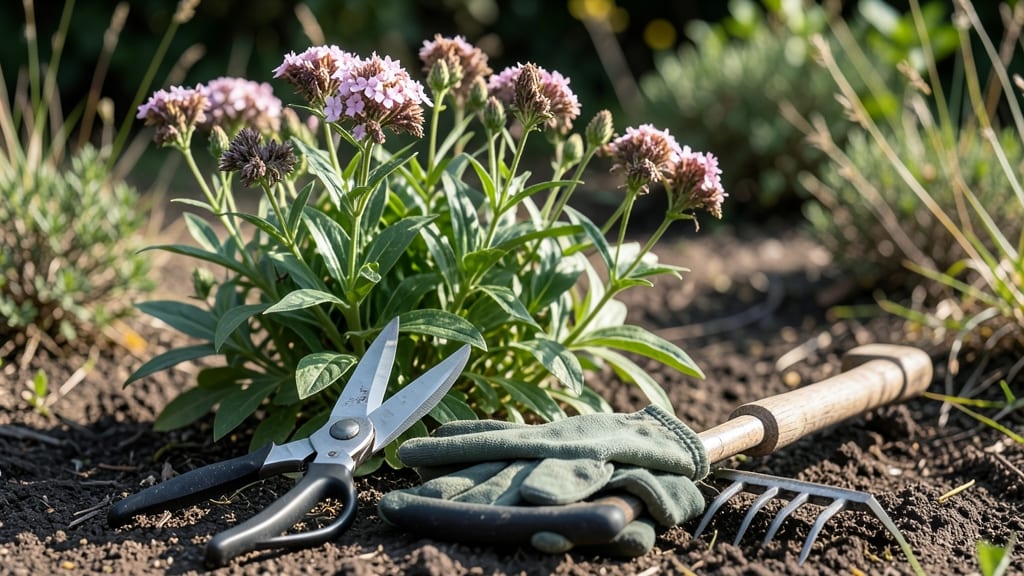
Cutting back garden phlox 🌸 after it blooms is the secret to bigger, brighter flowers next season—and doing it too early or too late can ruin your plant’s health.
Picture this: You’ve just admired your phlox’s stunning summer display, but now you’re stuck wondering, When exactly should I trim it back? The wrong timing can leave your plant vulnerable to frost, pests, or even stunted growth.
I’ll show you the precise late-summer window (and why it matters so much) so you can prune with confidence.
Most gardeners wait until August or early September—after the flowers fade but before the first frost—to cut back phlox. This timing gives your plant enough time to recover before winter, while also preventing disease from lingering stems.
In cooler zones like 6a, you might even push it into October, but there’s a catch: if you wait too long, you risk weakening next year’s blooms.
In this guide, you’ll learn the exact steps to prune your garden phlox, how to spot the perfect moment, and what to do if you’ve already missed the window. Ready to set your phlox up for a showstopping comeback?
The ideal late-summer timeline for cutting back garden phlox
Timing your garden phlox cut-back is like catching a summer wave—too early, and you miss the peak; too late, and you risk next year’s blooms. The optimal window is 2-4 weeks after peak flowering, typically spanning late August to early September in most USDA zones.
This timing lets your phlox store energy for winter while preventing disease buildup from spent blooms.
Your climate zone shifts this window slightly. In warmer zones (7-10), wait until mid-September to avoid encouraging late-season growth that frost can damage. In cooler zones (3-6), prune by mid-August to give foliage time to harden off before winter.
Always check for frost dates in your area—aim to finish pruning 4-6 weeks before first frost.
Here’s your phlox pruning timeline broken down by key stages. Use this as your guide to avoid common mistakes that weaken your plants:
| Stage | Action | Notes |
|---|---|---|
| Peak Blooming (July-August) | Deadhead spent blooms | Encourages reblooming and keeps plants tidy |
| Post-Bloom (Late August) | Wait 2-3 weeks after last bloom | Allows seed heads to form naturally |
| Optimal Pruning Window (Early September) | Cut back 1/3 of plant height | Use clean, sharp shears to avoid tearing |
| Late Pruning (After September) | Avoid—risks disease and weak growth | Only prune if dead foliage remains |
| Overdue Signs (October+) | Trim only dead stems | Focus on winter prep, not regrowth |
Spotting overdue pruning signs is key. If your phlox shows yellowing leaves, mushy stems, or blackened buds by late September, it’s past the ideal window. At this stage, prune only dead or diseased foliage—never cut into healthy green stems.
This prevents fungal infections like powdery mildew, which thrives in damp, overcrowded conditions.
For regional adjustments, Southern gardeners in zones 8-10 can prune as late as October 1st, while Northern growers (zones 3-5) should finish by Labor Day. Pro tip: Mark your calendar with your average first frost date—prune 6 weeks before to give foliage time to mature.
This hardens stems for winter, reducing frost damage.
Your pruning height matters too. Cut back to just above a set of leaves or buds—never bare stems. This ensures new growth emerges from the base next spring.
For taller varieties (3-4 feet), aim for 18-24 inches tall post-prune. Dwarf phlox (1-2 feet) only needs a light trim to remove dead blooms.
One common mistake is pruning after a heavy rain. Wet foliage spreads disease faster, so wait for dry, sunny days to prune. Sterilize your shears with rubbing alcohol between cuts to prevent cross-contamination.
If your phlox looks stressed after pruning, it’s likely been cut too late—focus on watering deeply and mulching to recover.
After pruning, feed your phlox with a balanced fertilizer (10-10-10) to replenish nutrients lost during blooming. Water deeply but infrequently—phlox hates soggy roots. In drought-prone areas, reduce watering slightly in late summer to encourage root hardening before winter. This simple adjustment can double next year’s blooms.
Remember, phlox is resilient—even if you miss the ideal window, a light trim in early fall still helps. The goal is to balance aesthetics with plant health. With this timeline, your phlox will reward you with vibrant, abundant blooms come next summer.
What happens if you cut phlox too early or too late?
Timing is everything when it comes to pruning your garden phlox. Cutting too early can stunt new growth and leave your plant vulnerable to winter damage. On the flip side, waiting too long invites pests, disease, and weakens the plant’s ability to rebound for next season.
Let’s break down the critical mistakes and how to fix them.
If you prune your phlox too early—typically before late August—you risk removing essential foliage that stores energy for winter. This weakens the plant’s root system and can lead to frost sensitivity. In colder climates (USDA zones 3-5), premature pruning often results in brown, crispy stems by spring.
Conversely, delaying pruning past early October leaves your phlox exposed to fall pests like aphids and spider mites. The dead foliage also becomes a breeding ground for fungal diseases, such as powdery mildew, which can overwinter and reappear next year.
Overgrown stems may even flop unnaturally, ruining your garden’s neat appearance.
Pruning Phlox: Pros & Cons
- Pros: Neat appearance
- Cons: Weakens root system
- Cons: Frost damage risk
- Cons: Stunted spring regrowth
- Pros: Encourages new growth
- Pros: Reduces pest/disease risk
- Pros: Stronger winter hardiness
- Pros: Vibrant blooms next year
- Pros: None
- Cons: Pest infestations (aphids, mites)
- Cons: Fungal diseases (powdery mildew)
- Cons: Weak stem structure
- Early cut: Apply compost + mulch
- Late cut: Prune dead stems in spring
- Both: Fertilize in early spring
If you’ve already cut your phlox too early, don’t panic. Amend the soil with a 2-inch layer of compost and add a 3-inch mulch layer to insulate roots.
For late pruners, trim dead stems in early spring and monitor for pests or mildew. A balanced fertilizer (10-10-10) in spring will help recover lost vigor.
Always prune garden phlox after the first frost has blackened the foliage but before hard frosts set in. This late-summer window ensures your plant enters dormancy strong and ready to rebound beautifully next season. 🌸