
How To
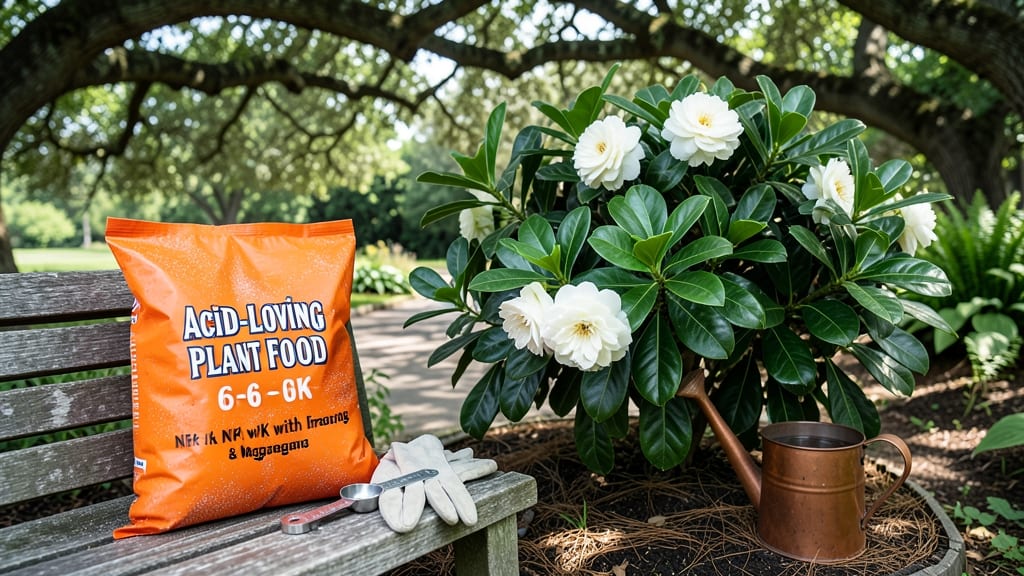
Fertilizing gardenia 🌸 at the right time is the secret to lush blooms and vibrant foliage—spring and mid-summer are your two best windows for feeding.
Struggling to get your gardenia to bloom? Timing your fertilizer application could be the missing piece—miss the window, and you might end up with lush foliage but no fragrant flowers.
The key is feeding just as new growth appears in spring and again after blooms fade in summer, but stopping well before fall.
Most gardeners overlook the fact that gardenias hate heavy feeding in late summer and fall, which can stress the plant and reduce next year’s blooms. With the right schedule, you’ll encourage stronger roots, healthier leaves, and those coveted white, intoxicating blossoms year after year.
Below, I break down the exact months to fertilize, how to spot over- or under-feeding, and the best organic vs. synthetic options for your gardenia’s needs. Let’s get those blooms thriving!

Optimal gardenia fertilizing schedule for maximum blooms
If your gardenia is putting out leaves but skipping the blooms, your fertilizer timing might be the culprit. Gardenias are finicky about when they receive nutrients—too early or too late, and you’ll end up with leafy greens instead of those coveted fragrant flowers.
The key is feeding them at the right stages of growth, not just whenever you think of it.
Most gardeners make one critical mistake: fertilizing in fall or winter. This sends your plant into overdrive when it should be resting, stressing it out and often leading to bud drop or stunted growth.
Instead, focus on two key feeding windows—early spring and mid-summer—when your gardenia is actively growing and preparing for its next bloom cycle.
Here’s the science behind it: Gardenias are evergreen shrubs that bloom on new wood, meaning they need a fresh burst of nutrients in spring to push out those glossy green leaves and flower buds.
In mid-summer, after the blooms fade, a lighter feeding helps them recover and store energy for next year’s display.
| Season | When to Fertilize | What to Look For | Fertilizer Type |
|---|---|---|---|
| Early Spring | First feeding: Late March to early April (after last frost) | New growth appears; bright green leaves emerge | Acid-loving fertilizer (10-10-10 or citrus blend) |
| Mid-Summer | Second feeding: June to early July (after blooms fade) | Leaf color darkens; buds form for next season | Light feed (half-strength fertilizer) |
| Fall | Skip fertilization entirely | Leaves may yellow slightly (normal in cooler temps) | None (plant enters dormancy) |
| Winter | No feeding until spring | Growth slows; no new leaves appear | None (focus on watering adjustments) |
Your first feeding should happen in early spring, right as the soil warms up and you see those first pale green shoots poking through. This is when your gardenia is waking up from its winter nap and needs a nutrient boost to fuel its growth.
Use a balanced acid-loving fertilizer (like a 10-10-10 or a citrus blend) and apply it to the soil surface, keeping it about 6 inches away from the trunk to avoid root burn.
Timing is everything in spring—wait until after the last frost date in your area (usually mid-April in most zones) to fertilize. If you fertilize too early, the cold soil can lock up nutrients, making them unavailable to your plant.
A good rule of thumb is to wait until the soil temperature reaches at least 60°F before applying fertilizer.
By mid-summer, your gardenia should have put on a spectacular show with its creamy white blooms. After the flowers fade, it’s time for your second feeding—but this one should be lighter.
Think of it as a recovery meal to help your plant store energy for next year’s blooms. Use about half the strength of your usual fertilizer or switch to a slow-release organic option like fish emulsion.
Here’s a pro tip: If your gardenia’s leaves start looking dull or yellowish by late summer, it might be signaling iron deficiency. This is common in gardenias because they thrive in acidic soil, and iron becomes less available as the soil pH rises.
A chelated iron supplement can give it a quick boost without overloading it with nitrogen.
One of the biggest mistakes I see gardeners make is fertilizing in fall or winter. When temperatures drop and daylight shortens, your gardenia naturally slows down.
Feeding it during this time forces it to grow when it should be resting, which can lead to weak, leggy growth and even bud drop the following spring. Instead, let your plant conserve energy and focus on watering adjustments—keeping the soil lightly moist but not soggy.
To keep track of your gardenia’s needs, mark your calendar for late March/April and June/July as your feeding windows. If you’re in a warmer climate (like zones 9-11), you might extend your summer feeding into early August, but always stop by September to let your plant prepare for winter.
Pro tip: Keep a gardening journal to note when you fertilize and how your gardenia responds—this helps you fine-tune the schedule each year.
Remember, gardenias are heavy feeders but sensitive to over-fertilization. If you notice crispy leaf edges or yellowing between veins, flush the soil with water to prevent salt buildup. And always water your gardenia deeply after fertilizing to help the nutrients reach the roots without burning them.
Signs your gardenia needs fertilizer (and when to skip it)
Your gardenia might be silently begging for nutrients if its leaves turn yellow between the veins while staying green at the edges. This classic iron deficiency sign often appears when your plant isn't getting enough micronutrients, even if the soil looks fertile.
I've seen this happen when gardeners skip their spring feeding or use the wrong fertilizer type.
Don't confuse nutrient needs with overwatering issues, though. Yellowing leaves can also signal root rot from soggy soil. The key difference? Nutrient deficiencies often start in older leaves, while overwatering typically causes yellowing from the bottom up. Always check your watering routine first before reaching for fertilizer.
When to Fertilize Your Gardenia
- New growth appears in early spring (March-April)
- Leaves show yellowing between veins (iron deficiency)
- Plant grows slowly despite good sunlight
- Bud formation begins in late spring
- Leaves show brown crispy edges (burn from excess salts)
- Bud drop occurs before blooming
- Soil smells sharp or chemical after application
- Plant is dormant in winter (Nov-Feb)
Pro Tip: Always use acid-loving plant fertilizer (pH 5.0-6.5) and apply in early morning to prevent leaf burn.
If your gardenia's growth slows dramatically despite proper watering and sunlight, it's likely starving for nitrogen and phosphorus. I recommend a balanced 10-10-10 fertilizer applied every 4-6 weeks during growing season. For organic gardeners, try fish emulsion or compost tea—both work wonders without harsh chemicals.
Watch for bud drop as a red flag for over-fertilization. This happens when excess salts in the soil disrupt the plant's natural processes. If you notice buds forming then falling off, flush the soil with water 3 times to leach out excess nutrients.
I've had to do this with my gardenia after using too much synthetic fertilizer in summer.
Create a seasonal fertilizer schedule to avoid confusion. Feed lightly in spring (March-April), then reduce to every 6 weeks in summer. Stop completely by late August to let your gardenia prepare for winter. This timing matches my gardenia's natural blooming cycle and prevents winter stress.
Remember that healthy soil is your best fertilizer. Amend with peat moss or pine fines every 2-3 years to maintain the acidic conditions gardenias love. I've found that plants in well-prepared soil need 30% less supplemental fertilizer than those in poor soil.