
Fertilization
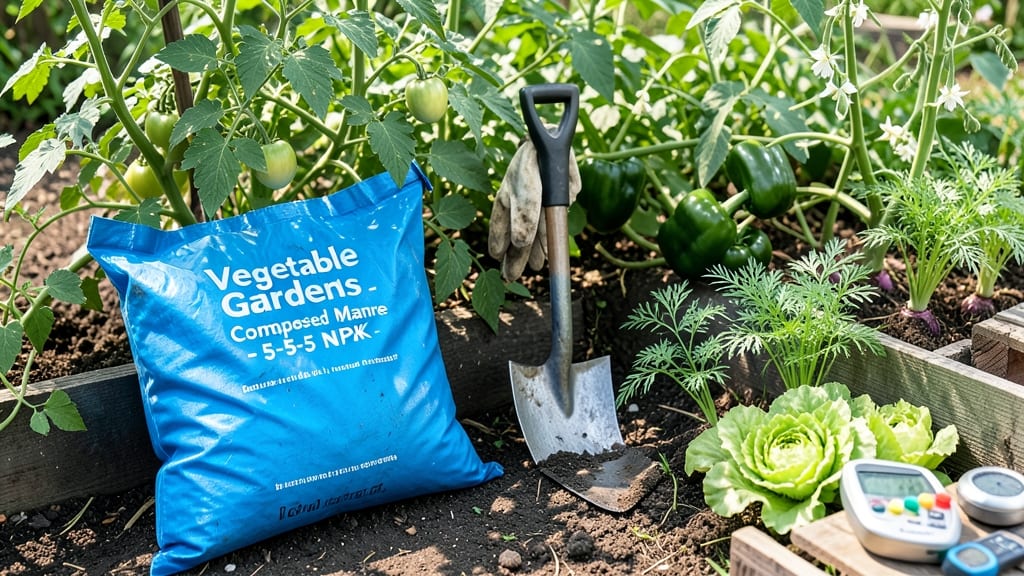
Fertilizing your veg garden at the right times is the difference between a bountiful harvest and struggling plants that never quite reach their potential.
Timing your vegetable garden fertilization isn’t just about throwing nutrients on the soil—it’s about unlocking explosive growth when plants need it most. Get this wrong, and you’ll waste fertilizer or stunt your harvest.
Think about it: cool-season crops like lettuce and peas need a gentle nudge in early spring, while tomatoes and peppers demand a mid-season boost. The USDA Zone 6a growing window (from mid-April to mid-October) gives you clear triggers—planting time, flowering, and fruiting—each signaling when to feed.
Below, I’ll break down the exact seasonal schedule, how to spot nutrient deficiencies, and whether organic or synthetic fertilizers work best for your 🥬 vegetable garden’s peak performance.

Seasonal fertilization schedule for vegetable gardens by plant type
Fertilizing your vegetable garden at the right time isn’t just about throwing nutrients into the soil—it’s about matching plant needs with their growth stages. Cool-season crops like kale and spinach thrive with early-season feeding, while tomatoes and peppers demand mid-summer boosts.
Climate zones shift these windows: In Zone 5, spring feeding starts earlier than in Zone 9. Understanding these patterns ensures maximum yield without waste.
Leafy greens, root crops, and fruiting plants all have distinct fertilization timelines. For example, lettuce needs a light feed at planting, while carrots benefit from side-dressing later in the season.
Heavy feeders like corn and squash require regular feeding every 4-6 weeks. Below, I’ve broken down the science-backed schedule by plant type and season.
Cool-season plants like spinach and broccoli should receive their first light fertilizer application at planting, followed by a second dose when they’re 4-6 inches tall.
In USDA Zone 5, this typically means feeding in April and May, while Zone 9 gardeners can extend feeding into October for late harvests.
For warm-season crops such as tomatoes and peppers, timing is critical. These plants need high-phosphorus fertilizers when they’re transplanted and again when they begin flowering.
In Zone 7, this means feeding in May and July, but in Zone 10, you can feed through September for extended harvests.
Root crops like carrots and beets are sensitive to excess nitrogen, which can cause forked roots. Instead, use a low-nitrogen fertilizer at planting and side-dress with compost mid-season.
In Zone 6, this means feeding in April and June, while Zone 8 gardeners can add a third feeding in August.
Heavy feeders like corn and squash demand regular feeding every 4-6 weeks. Start with a balanced fertilizer at planting, then switch to a higher-nitrogen blend when plants are 12 inches tall.
In Zone 4, this means feeding in May, July, and early August, while Zone 9 gardeners can feed through September.
One common mistake is fertilizing too late in the season. Never feed your garden in late summer or fall—this encourages tender new growth that won’t survive frost. Instead, focus on harvesting and cleaning up
5 Key signs your veg garden needs fertilizer (and when to act)
Your vegetable garden is like a hungry teenager—it won’t tell you when it’s starving, but the signs are there if you know what to look for. Yellowing leaves, stunted growth, or weak stems aren’t just random bad luck; they’re your plants screaming for nutrients.
Ignore them, and you’ll end up with puny tomatoes or sad lettuce instead of a bountiful harvest. The good news? These 5 visual cues will help you diagnose the problem fast and act before it’s too late.
Fertilizer timing is an art, not a science. Too early, and you waste nutrients; too late, and your plants suffer. Most gardeners fertilize blindly, following a schedule rather than their plants’ actual needs. But by learning to read your garden’s physical signals, you’ll fertilize smarter—saving money, time, and stress.
Think of it like giving your plants a checkup: catch the symptoms early, and you’ll keep them thriving all season long.
- 🍃 1. Yellowing Leaves (Starting at the Bottom)
Older leaves turn pale or yellow? This is your nitrogen deficiency alarm. Act fast by applying a balanced fertilizer (like 10-10-10) or compost tea. - 🌱 2. Stunted or Slow Growth
Plants growing at a snail’s pace? They’re phosphorus-starved. Use a bone meal or rock phosphate to boost root and flower development. - 🍅 3. Weak Stems or Leggy Plants
Tall, spindly stems with tiny leaves? Your plants need potassium and calcium. Switch to a potassium-rich fertilizer (like greensand) or wood ash. - 🍆 4. Poor Flower or Fruit Production
Lots of leaves but no tomatoes or peppers? Your plants are magnesium-deficient. Apply Epsom salt (magnesium sulfate) to the soil. - 🌿 5. Purple or Reddish Leaf Undersides
Dark purple stems or leaf undersides? This is a phosphorus shortage. Feed with a high-phosphorus fertilizer (like 5-10-5) immediately.
Don’t wait until your plants are already struggling—act at the first sign of trouble. For example, if your tomatoes start showing yellow leaves in early June, apply a nitrogen boost right away.
Pro tip: Morning applications prevent nutrient burn and give roots time to absorb nutrients before the heat of the day. And always water before fertilizing to protect delicate roots.
Fertilizing isn’t a one-size-fits-all task. Leafy greens like lettuce and spinach need less nitrogen than fruiting plants, while heavy feeders like corn and squash demand more. Pay attention to your specific crops, and adjust your fertilizer type (organic vs. synthetic) based on their needs.
For instance, compost tea works wonders for leafy greens, while fish emulsion is ideal for fruiting plants.
Remember, over-fertilizing is just as harmful as under-fertilizing. If you notice leaf burn or white crusts on the soil, you’ve gone too far. Always follow the recommended dosage and monitor your plants’ response.
With practice, you’ll develop a sixth sense for when your garden is hungry—and your harvest will thank you for it.
Now grab your fertilizer, head outside, and give your plants the nutrients they’re craving. Your future meals—and your garden’s health—depend on it! 🌱