
Picking
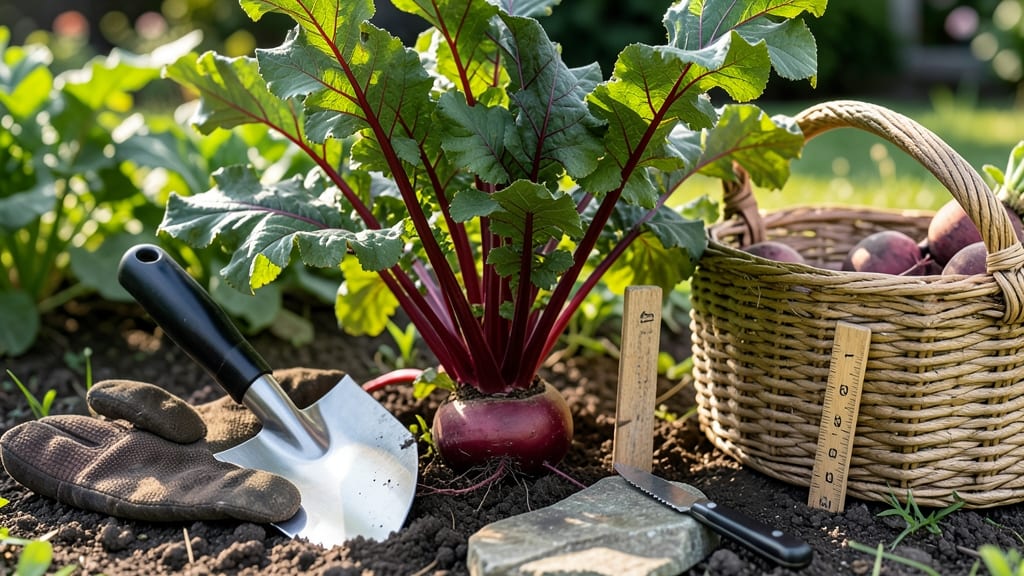
Harvesting beets from your garden at the right time ensures sweet, tender roots instead of tough, fibrous ones—here’s exactly when to pull them for peak flavor.
Knowing exactly when to harvest beets can mean the difference between sweet, tender roots and tough, woody vegetables—yet many gardeners struggle to time it perfectly. The good news? A simple finger-width test and a few visual cues make it easy to tell when your 🍠 are ready.
Beets mature between 50 and 70 days, but size isn’t the only clue. Baby beets (1–2 inches wide) are perfect for quick salads, while larger roots (2–3 inches) store better. Watch for deep color, firm texture, and leaves that pull easily—these are your key signals.
Below, I’ll break down the 3 foolproof tests for harvesting beets at their sweetest, plus how to adjust for spring vs. fall planting. Let’s get those roots out of the ground before they turn woody!


3 Finger-width tests to determine perfect beet harvest time
Harvesting beets at the right time ensures they're sweet and tender, not tough or woody. The easiest way to gauge maturity is with your fingers—no measuring tape required!
These 3 finger-width tests work for baby beets, mature roots, and even storage varieties. I’ve used them for years in my garden, and they’ve never failed me.
Beets grow quickly, but timing matters. A root that’s too small lacks flavor, while one left too long becomes fibrous. The key is checking both root size and leaf health using simple finger-width comparisons. This method works for all beet varieties, from golden Detroit Dark Red to striped Chioggia.
Here’s how to use your fingers like a pro—plus visual cues to confirm readiness. Grab a pair of gloves and let’s dig in!
-
Baby Beets: 1 finger-width (1–1.5 inches)
Tender & Sweet
-
Mature Beets: 2 finger-widths (2–3 inches)
Peak Flavor
-
Storage Beets: 3 finger-widths (3–4 inches)
Firm & Long-Lasting
Pro Tip: Compare your finger to the root’s widest point at soil level. Use your index finger for consistency.
For baby beets, harvest when the root measures about 1 finger-width (1–1.5 inches). These are perfect for salads or quick cooking. Look for leaves that are 4–6 inches tall and a vibrant green—this means the root is storing energy efficiently. If the leaves start yellowing, you’ve waited too long!
When beets reach 2 finger-widths (2–3 inches), they’re ready for peak flavor. This is the sweet spot for roasting or boiling. The roots should feel firm but not hard when pressed gently.
If they dent easily, they’re overripe. Also, check the stem base: it should snap cleanly when pulled—this confirms the root is fully developed.
For storage varieties, aim for 3 finger-widths (3–4 inches). These larger roots store well in cool, dark conditions. Their leaves may look bigger, but the key is the root’s thickness.
If the skin feels tough or the root cracks when cut, harvest immediately—this means it’s past its prime for storage.
Don’t rely solely on size! Always check the leaf color and root firmness. Healthy leaves should be deep green without spots. If you see yellowing or wilting, harvest right away—even if the root isn’t your target size.
Beets are resilient, but stress from heat or drought can turn them bitter.
One mistake I made early on was harvesting based on days after planting rather than size. Beets grow unevenly, so always check visually. If your garden has partial shade or poor soil, roots may grow slower—adjust your finger-width test accordingly.
For example, in cooler climates, beets might need an extra week to reach the same size.
After harvesting, store beets in a cool, humid place (like a root cellar) for up to 3 months. Trim the greens and leave 1 inch of stem on the root to prevent bleeding.
If you’re not storing them, use within a week for the best texture. Pro tip: Peel beets before storing to extend their shelf life—this prevents moisture loss.
Now that you’ve mastered the finger-width test, you’ll never guess again when to harvest beets. Grab your gloves, head to the garden, and enjoy roots that are perfectly sweet and tender every time! 🍠
How soil conditions and weather affect beet harvest timing
Beets thrive when soil conditions and weather align perfectly, but even the most attentive gardener can face challenges like drought stress or temperature swings that throw off harvest timing. These factors directly impact root development, turning sweet, tender beets into tough, fibrous messes if not managed properly.
Understanding how your local climate influences beet growth helps you adjust harvest windows and care routines for the best results.
Soil moisture plays a critical role in beet development. Too little water causes roots to become woody and bitter, while excessive moisture can lead to rot or split roots.
Similarly, extreme heat or cold can stunt growth or trigger early bolting, making it essential to monitor both soil and air temperatures closely. Let’s break down how these environmental factors influence your beet harvest timing and what you can do to optimize it.
⚠️ Warning: Avoid These Soil & Weather Mistakes!
- Drought stress: Leads to bitter, tough roots—water consistently to keep soil moist but not soggy.
- Extreme heat: Causes bolting (flowering) and reduces sweetness—harvest early in hot climates.
- Cold snaps: Delays maturity and can freeze roots—use mulch to insulate soil.
Pro Tip: Check soil moisture daily during heatwaves and mulch heavily to retain moisture.
Drought conditions are one of the biggest enemies of perfect beets. When soil dries out, roots stop growing and become hard and stringy. To prevent this, aim for 1 inch of water per week, adjusting for rainfall.
Use a moisture meter or the finger test—stick your finger 1-2 inches into the soil; if it feels dry, water immediately. Mulching with straw or grass clippings helps retain moisture and keeps roots cool during hot days.
Temperature extremes also play a role in beet harvest timing. Beets grow best in moderate temperatures (55–75°F). If summer heat exceeds 85°F, growth slows, and roots may develop a hollow core or bolt prematurely.
In these cases, harvest beets earlier than usual (around 40–50 days) for baby beets or prioritize shade cloth to protect plants. Conversely, cold snaps below 40°F can stunt growth, so plan harvests before the first frost.
Soil type matters just as much as moisture and temperature. Sandy soils drain too quickly, leading to small, tough roots, while clay soils can become waterlogged, causing rot. Amend your soil with compost or aged manure before planting to improve drainage and nutrient retention.
Aim for a loamy texture—this balances moisture and aeration, giving beets the ideal environment to develop sweet, tender roots.
Finally, pay attention to seasonal shifts in your region. In cooler climates, beets mature slower and may need a longer growing season (up to 70 days). In warmer areas, they bolt faster, so plant successive crops every 2–3 weeks for a continuous harvest.
Adjust your harvest schedule based on local weather patterns—this ensures you always enjoy beets at their peak flavor and texture.