
Picking
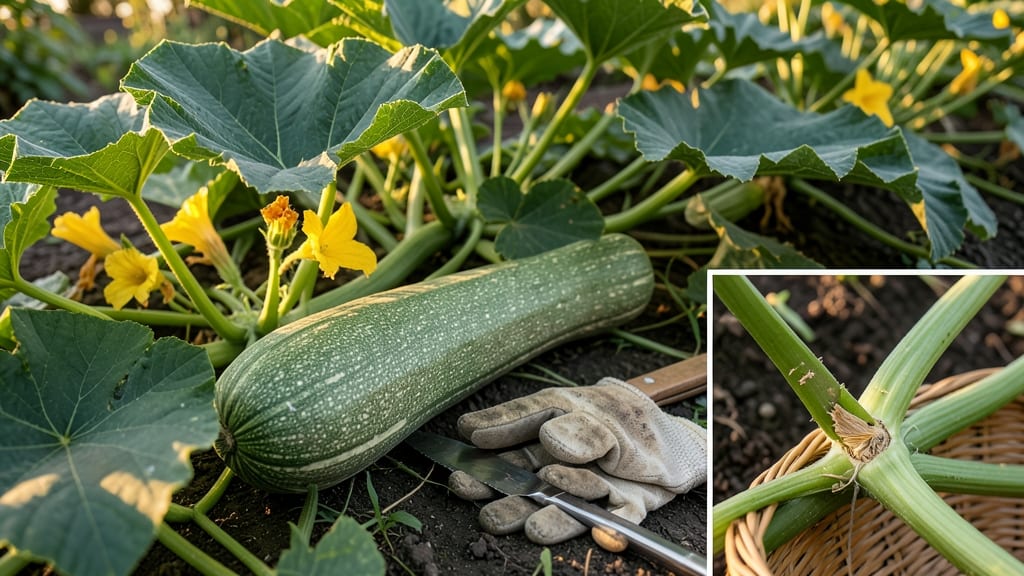
Harvesting spaghetti squash from the garden at the right time means the difference between tender, noodle-like strands and tough, inedible flesh—so timing is everything for a perfect harvest.
Picture this: you’ve nurtured your 🎃 spaghetti squash all season, and now the vines are yellowing while the fruit sits heavy on the vine. But how do you know exactly when to pick? Miss the window, and you’ll end up with a meal that’s more work than it’s worth.
In USDA Zone 6a, where frost can sneak up fast, the 85–100-day mark is just the starting point. The real clues are in the skin color, stem texture, and even how the fruit sounds when tapped—details most gardeners overlook until it’s too late.
Below, I’ll walk you through the 3 foolproof signs your spaghetti squash is ready, plus how to test for doneness and avoid the two biggest harvest mistakes that ruin your crop. No guesswork, just results.
3 Visual and physical signs your spaghetti squash is ready for harvest
Picking spaghetti squash at the wrong time means tough, stringy flesh instead of tender, noodle-like strands—so knowing exactly when to harvest is the key to a perfect harvest. Unlike other winter squash, spaghetti squash has specific visual and physical cues that signal peak ripeness.
Ignoring these signs can ruin your crop, leaving you with overripe, hollow centers or underripe, bitter-tasting fruit. Let’s break down the three foolproof signs to harvest your spaghetti squash at its best.
First, pay attention to the vine color changes around your squash. When the vines start turning from bright green to yellow or brown, it’s a clear indication that the plant is shifting energy toward maturity.
This color shift usually happens 2–3 weeks before harvest, so keep an eye out for this early warning. The leaves may also begin to curl or drop, further signaling that your squash is nearing readiness.
If you miss this stage, the vines may die back completely, leaving your squash vulnerable to rot or pest damage.
The stem condition is another critical clue. When your spaghetti squash is ready, the stem near the fruit will harden and dry out. To test this, gently press the stem with your thumb—if it resists bending and feels woody rather than soft, your squash is ready.
A flexible or spongy stem means it’s not ripe yet. This drying process is your plant’s way of sealing the squash to protect it from rot, so don’t ignore this sign! If the stem is still green and pliable, wait a few more days.
Finally, the fruit’s weight and sound are your final confirmation. A ripe spaghetti squash will feel surprisingly heavy for its size, almost like a dense rock. This weight indicates that the seeds inside have fully developed and the flesh is at its peak tenderness.
For an extra test, tap the squash gently with your knuckles—it should emit a hollow, echoing sound, similar to a ripe pumpkin. If it sounds dull or thuds like a solid object, it’s underripe and needs more time on the vine.
Distinguishing between underripe and overripe squash is easier than you think. An underripe squash will have a bright green rind, a stem that bends easily, and a lightweight, hollow-sounding interior.
On the other hand, an overripe squash may have a soft or dented rind, a stem that’s completely dried and brittle, and a hollow center when cut open.
The key is to harvest when the rind is dull yellow or beige and the stem is firm but not brittle.
Timing is everything when it comes to harvesting spaghetti squash. If you’re in USDA Zone 6a, aim to harvest your squash 85–100 days after planting, typically in late summer to early fall.
Keep an eye on your local frost dates—harvesting too late can expose your squash to frost, which turns the flesh mushy and unappetizing. If frost is approaching, harvest even if the squash isn’t fully ripe and cure it indoors to improve its texture.
Once you’ve confirmed all three signs—vine color change, stem hardening, and fruit firmness—it’s time to harvest. Use a sharp pruning shear or knife to cut the squash from the vine, leaving a 1–2 inch stem attached. This small stem helps the squash cure properly and prevents rot.
After harvesting, place your squash in a warm, dry, and well-ventilated spot for 3–5 days to cure. This process thickens the skin and enhances flavor, giving you that perfect noodle-like texture you’re craving.
Now that you know the three key signs of a ripe spaghetti squash, you’re ready to enjoy a harvest of tender, flavorful fruit. Pay attention to these visual and physical cues, and you’ll never again end up with stringy or bitter-tasting squash. Happy harvesting! 🎃
How to test spaghetti squash ripeness: the seed and thumb method
Even when your spaghetti squash looks mature, two simple tests can tell you for sure if it’s ready to pick. The seed test and thumb method are foolproof ways to avoid tough, underripe squash or overripe, stringy flesh. These no-tools-required tricks work every time—just your hands and a little patience.
First, let’s talk about the seed test. Press your thumbnail into the squash’s skin near the stem. If it doesn’t dent, the squash is ripe.
If it leaves a deep impression, it’s overripe. This test works because ripe squash has a firmer rind, while overripe ones soften and dent easily.
🎃 Spaghetti Squash Ripeness Tests
- ✅ Pro: No dent = perfect ripeness
- ❌ Con: Deep dent = overripe
- ✅ Pro: Hollow sound = ripe
- ❌ Con: Dull thud = underripe
The thumb method is just as easy. Tap the squash gently with your knuckles. A ripe squash will sound hollow, like a drum, while an underripe one will thud dully. For accuracy, tap near the stem where the fruit attaches to the vine—this is where ripeness shows most clearly.
Harvesting too early means tough, fibrous strands that won’t separate easily. Too late, and the flesh turns watery or bitter, with a hollow center. Both mistakes ruin your harvest, so these tests are your best defense against wasted effort.
If your squash passes both tests, it’s time to pick! Use a sharp knife or pruners to cut the stem, leaving a 1-inch attachment to the vine. This helps the squash cure properly and last longer in storage.
Pro tip: Harvest on a dry, sunny morning to let the squash cure naturally. Store it in a cool, dry place for up to 3 months—just don’t refrigerate until you’re ready to cook! 🎃