
Picking
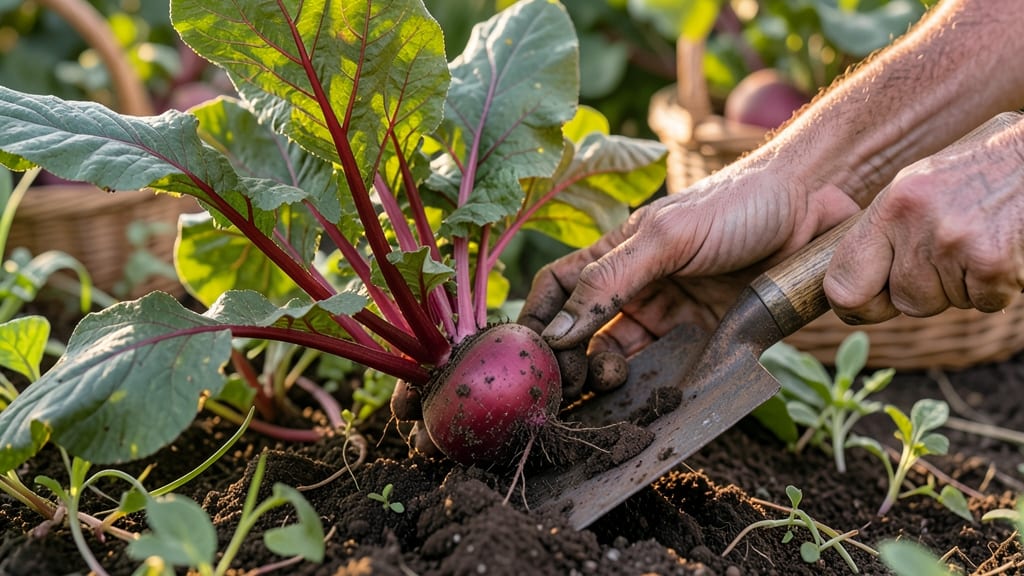
Picking beetroot from the garden at the right time ensures tender, sweet roots—wait too long, and you end up with tough, woody 🍠 messes.
Harvesting beetroot at the wrong stage can turn your hard work into disappointment. One week too early, and you’re left with tiny, underdeveloped roots. Push it too far, and the flavor fades while the texture turns unpleasantly firm.
Here’s the secret: three simple visual cues will tell you exactly when to dig. We’re talking leaf color shifts, root size benchmarks, and even how the soil feels when you test it. Master these, and you’ll never guess again.
Below, I break down the perfect timing—plus how to store your harvest so it stays fresh for weeks. No more second-guessing, just foolproof results.


3 Visual cues to know your beetroot is ready for harvest
Timing your beetroot harvest perfectly ensures sweet, tender roots instead of tough, fibrous ones. The key lies in three simple but critical visual cues that tell you exactly when to dig. Ignoring these signs often leads to overgrown roots that lose flavor or split when pulled too late.
First, pay attention to the leaf color—this is your first clue that the root below is nearing peak maturity. The outer leaves will start shifting from deep green to a yellowish-red hue at the base, signaling it’s time to harvest soon.
This color change happens just before the root reaches its sweetest stage.
Next, check the root size by gently brushing away soil around the plant. Aim for roots that are 1.5–2.5 inches in diameter. Smaller roots (under 1 inch) are tender but less flavorful, while larger ones become woody and tough. The ideal size balances sweetness and texture for most recipes.
Finally, perform the soil resistance test: grasp the beetroot gently and wiggle it. If it releases easily with minimal force, the root is ready. If the soil clings tightly or the root resists, it needs more time to mature. This test prevents bruising and ensures clean harvests every time.
For Detroit Dark Red varieties, these cues typically appear around 50–60 days after sowing, while Chioggia striped beetroots may take 5–10 days longer. Always harvest on a cool, cloudy day to prevent stress on the roots, which can cause them to split or bleed.
One common mistake is waiting until the leaves turn fully yellow—this often means the roots have passed their prime. By then, they’ve started converting sugars into starch, making them tough and less flavorful.
Instead, watch for the partial color change and the soil resistance test to nail the perfect harvest window.
Pro tip: Use a hand trowel to loosen soil around the root before pulling. This reduces damage and makes it easier to check the root’s size without disturbing the entire plant. If you’re unsure, harvest a few test roots—this way, you’ll learn the exact timing for your specific growing conditions.
Once harvested, store beetroots in a cool, dark place (like a root cellar or refrigerator) for up to 3 months. Their flavor actually improves after a light frost, so don’t rush to harvest before the first cold snap if you’re in a cooler climate.
Mastering these three visual cues will transform your beetroot harvests from hit-or-miss to consistently delicious. The next time you’re kneeling in the garden, take a moment to check the leaves, measure the root, and test the soil—your taste buds will thank you.
How long until beetroot reaches harvest readiness (by variety)
Knowing exactly when to harvest your beetroot depends heavily on the variety you're growing. While all beetroots share similar care needs, their maturity timelines and ideal harvest windows vary.
For example, my Golden beetroots often mature faster than the deep red types, which means I can enjoy them earlier in the season. Understanding these differences helps you plan your garden layout and succession plantings for a continuous harvest.
Your climate zone also plays a crucial role in adjusting these timelines. In cooler regions like USDA Zone 4, you might need to extend your growing season with row covers, while warmer zones like Zone 8 can enjoy longer harvest windows.
Always check your local frost dates to align your planting schedule with these variety-specific timeframes for optimal results.
| Variety | Days to Maturity | Harvest Window | Best For |
|---|---|---|---|
| Detroit Dark Red | 50–60 days | Late summer/early fall | Storage, canning |
| Chioggia (Striped) | 55–65 days | Mid-to-late season | Fresh eating |
| Golden | 45–55 days | Early summer | Tender greens |
Note: Adjust timelines by 5–10 days for cooler climates or shorter growing seasons.
The Detroit Dark Red variety is my go-to for long-term storage and canning because it matures reliably within 50–60 days. I always plant these in early spring and late summer to ensure a steady supply throughout the growing season.
Their deep red color and smooth skin make them ideal for preserving, and they hold their quality well when stored properly in a cool, dark place.
If you're growing Chioggia beetroots for their stunning striped patterns, expect to wait slightly longer—55–65 days—but the wait is worth it. These beauties are perfect for fresh eating and adding color to salads.
I like to harvest them when the roots are about 2 inches in diameter to enjoy their tender texture and vibrant stripes. Their later maturity also means they thrive in slightly cooler temperatures, making them great for fall harvests.
For those who prefer milder, sweeter beetroots, the Golden variety is my top pick. It matures fastest—45–55 days—and produces tender roots perfect for early summer harvests. I often use these in salads or roasted dishes where their naturally sweet flavor shines.
Because they mature so quickly, I plant them in succession every two weeks to enjoy a continuous supply throughout the season.
Regardless of variety, always check for soil readiness before harvesting. Gently wiggle the beetroot—if it comes out easily with minimal resistance, it's ready. For woody or tough roots, you've likely waited too long.
In my experience, harvesting at the right time ensures the best flavor and texture, whether you're enjoying them fresh or preserving them for later.