
Picking
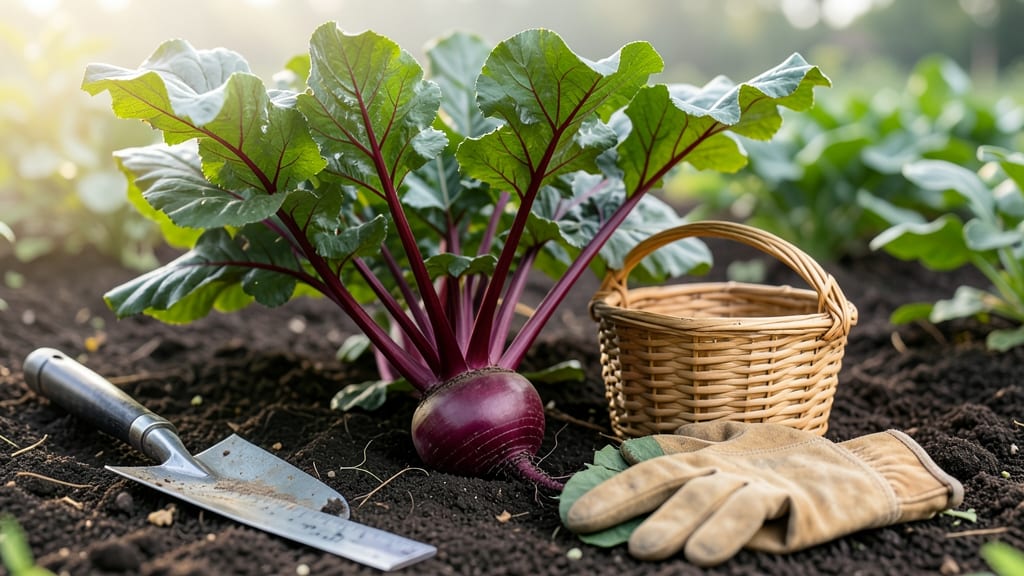
Picking beets from your garden at the right time transforms them from bland to bursting with sweetness—and here’s how to nail that window every season.
Harvesting beets at the wrong time can turn your garden’s sweet reward into a bitter disappointment—here’s how to know exactly when to pull them for maximum flavor and texture.
Look for roots the size of a baseball (about 1-3 inches wide) with vibrant color, like deep red or golden hues, and tops that are 3-4 inches tall. These visual cues mean your 🍠 beets are ready to harvest.
Below, I’ll walk you through the exact size and soil checks, plus how to store them so they stay tender long after pulling—no more guessing, just perfect timing.


Beet root size guide: how big is too big for sweetness?
Beets are one of those versatile garden gems that reward patience with sweet, tender roots. But timing is everything—harvest too early, and you get baby beets with mild flavor; wait too long, and they turn woody and bitter.
The key lies in understanding root size and how it correlates with flavor and texture. Let’s break down the perfect harvest window by comparing beet sizes to everyday objects you already know.
Most gardeners aim for beets between 1 to 3 inches in diameter, which is roughly the size of a baseball to a golf ball. At this stage, they’re sweetest and most tender.
Smaller than a thumb-sized beet (about ½ inch), and you’ll sacrifice flavor; larger than a baseball, and they risk becoming fibrous and tough. Think of it like baking a cake—timing is everything for the perfect result!
Here’s the size-to-flavor guide you need to know before pulling those beets from the soil:
If you’re growing baby beets for salads, aim for the penny to thumb-sized range (½ to 1 inch). These are tender and sweet, perfect for raw dishes. For long-term storage, harvest at baseball-sized (2.5-3 inches) when their flavor is deepest.
Larger beets beyond 3.5 inches become fibrous and less sweet, making them ideal only for seed production.
Pro tip: Color consistency is another key indicator. A deep, uniform hue (red, gold, or purple) signals ripeness, while pale or striped beets may need more time in the soil. Pair this with firm texture—if it gives slightly when pressed, it’s ready!
Don’t forget the greens! While we focus on roots, beet leafy tops are edible too. Harvest them when they reach 4-6 inches tall for a nutritious side dish. You can even cut greens repeatedly while leaving the root to grow larger.
For storage success, cure harvested beets by leaving them in the sun for 1-2 hours to toughen the skin, then store in a cool, dark place (like a root cellar).
Smaller beets store for 1-2 weeks, while larger ones last 3-4 months when cured properly. Overgrown beets? Save them for beet hummus or fermented pickles—they’re still delicious!
Next time you’re in the garden, grab a ruler or compare to common objects—your beet harvest timing will thank you with sweet, tender roots every time. Happy digging! 🌱
Soil and plant signals: 5 signs your beets are ready to harvest
Don’t rely solely on days-to-maturity charts—your beets are whispering when they’re ready! Beyond checking the root diameter, watch for these subtle (but critical) signals from both the plant and soil that scream "harvest me now."
I’ve learned the hard way that ignoring these cues can mean tough, woody roots or bitter greens instead of the sweet, tender harvest you crave.
One of the first clues comes from the leaf color. When your beet greens develop a deep, vibrant hue—think rich purple, golden yellow, or deep red—this means the roots are storing maximum sugars.
Pale or yellowing leaves, however, signal stress or overmaturity. Pay attention to how the foliage contrasts with the soil—healthy beets will have leaves that stand out boldly against the earth.
Here’s where most gardeners miss the mark: soil resistance. Gently wiggle a beet while holding the greens—if it slides out with minimal effort (like pulling a carrot), it’s ready. If the soil clings tightly or the root snaps, it’s either too small or overgrown.
I test this every 2-3 days during peak harvest season to avoid missing the sweet spot.
- 🌱 Root Shape: Smooth, rounded roots (no cracks or deformities) with a 1-3 inch diameter. Use a ruler to check—thumb-sized is perfect!
- 🌿 Leaf Health: Tops are 3-4 inches tall, bushy, and show no wilting or browning. Yellowing edges mean it’s past prime.
- 💧 Soil Looseness: Roots should pull out with gentle resistance—not stuck like glue. Loose soil = easy harvest.
- 🔴 Color Uniformity: Deep, consistent color (no pale spots). Uneven hues mean uneven ripening.
- ⏰ Days to Maturity: Between 55-70 days after sowing (varies by variety). Check seed packets for specifics!
Overgrown beets (those bigger than a baseball) develop tough, fibrous roots and bitter greens. I’ve salvaged these by roasting them with honey and balsamic, but they’re far less enjoyable fresh. If your beets exceed 3 inches, consider harvesting the greens first—they’re still edible and packed with nutrients!
For baby beets, aim for 1-inch roots and harvest when the tops reach 2-3 inches tall. These tiny treasures are sweeter and more delicate. I love growing them in containers so I can harvest continuously—no need to wait for full maturity.
Just watch for those vibrant leaf colors and you’ll never overlook a perfect bite-sized beet.
Remember: Harvesting beets is both an art and a science. Trust your eyes, your hands, and the soil’s signals—your taste buds will thank you! The moment you see all five signs align, grab your gardening gloves and enjoy the fruits (or roots!) of your labor. 🌱