
Picking
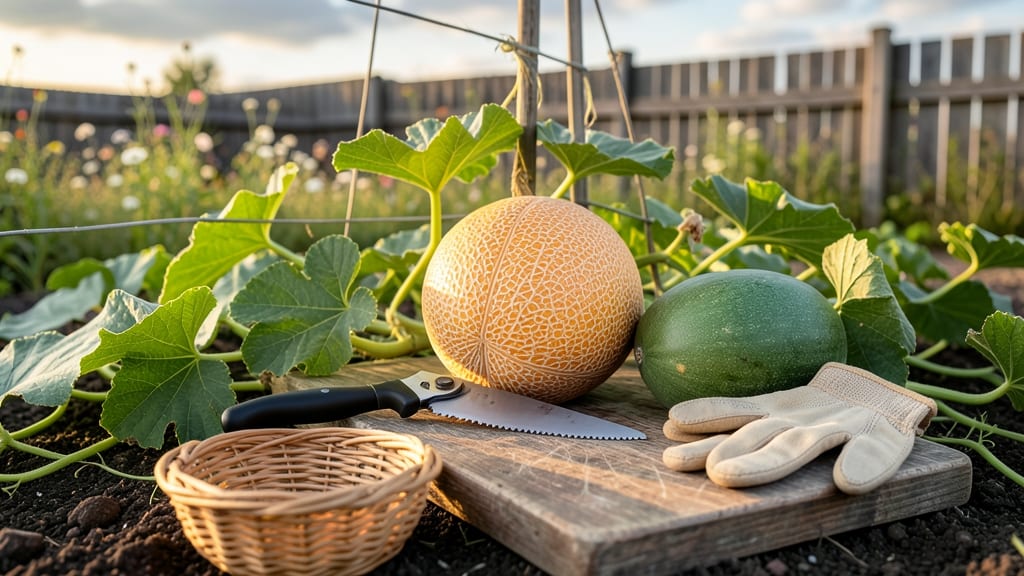
To pick cantaloupe from your garden at the perfect moment means the difference between sweet, juicy perfection and a bitter disappointment 🍈—and the key lies in reading three simple but often overlooked signs.
Picture this: you’ve nurtured your cantaloupe plants all season, and now the fruit is swelling on the vine. But how do you know when to finally harvest? Waiting too long risks overripe melons, while picking too early leaves you with hard, flavorless flesh.
The secret isn’t just counting days—it’s spotting the visual and tactile cues that tell you, "Yes, this one’s ready!"
In this guide, I’ll walk you through the three foolproof signs of ripeness—from the color of the ground spot to the telltale scent at the stem—and share the one trick (the "thump test") that gardeners swear by to avoid guesswork.
Whether you’re a first-time grower or a seasoned pro, these tips will ensure your cantaloupe harvest is nothing short of delicious.
By the end, you’ll know exactly when to pluck that melon from the vine, so you can enjoy homegrown sweetness at its peak—and avoid the common mistakes that leave so many gardeners frustrated every summer.


3 Visual signs your cantaloupe is perfectly ripe (with photos)
There's nothing worse than biting into a cantaloupe that's still hard and bland—only to realize you picked it too early. As someone who's learned this lesson the hard way, I now rely on these 3 foolproof visual cues to know exactly when my cantaloupes are ready.
The difference between ripe perfection and underripe disappointment often comes down to these simple checks.
First-time cantaloupe growers often ask, "How do I know when to pick?" The answer lies in three key areas: the ground spot color, how easily the fruit separates from the vine, and whether it releases that unmistakable sweet fragrance near the stem.
When all three signs align, you've got a winner. Let me show you exactly what to look for—and what to avoid.
⚠️ Pro Tip: Never harvest based on size alone. Some cantaloupes stay small but become incredibly sweet, while others grow large but remain tough and bland. Always check these visual cues first!
| Ripeness Indicator | What to Look For | What to Avoid | Best Time to Check |
|---|---|---|---|
| Ground Spot Color | Creamy yellow or tan (not white or green) | White or greenish spots | Morning sunlight (colors pop best then) |
| Stem Separation | Fruit slips easily when gently twisted | Stem holds firm or tears when pulled | Late morning (when fruit is warm) |
| Fragrance Test | Strong sweet aroma at stem end | No scent or musty smell | Midday (scents intensify with heat) |
| Bonus: Rind Texture | Slightly dull, with visible netting | Shiny, waxy surface | Any time (quick check) |
The first sign to check is the ground spot—that area where the cantaloupe rested against the soil. When ripe, this spot turns from white or greenish to a creamy yellow or tan.
I always test this first because it's the most reliable early indicator. Pro tip: Use a white background (like a sheet or towel) to make color changes more obvious against the fruit's natural hue.
Next, examine how the cantaloupe separates from the vine. A perfectly ripe cantaloupe should slip free with just a gentle twist near the stem. If you need to pull hard or the stem tears, it's not ready yet.
I've found that checking this in the late morning works best—when the fruit is slightly warmer and more pliable. This simple test saves me from harvesting too early every single time.
Finally, trust your nose—the sweet fragrance near the stem is the ultimate ripeness signal. A ripe cantaloupe should smell like honey and cantaloupe, not like nothing at all.
If you're unsure, sniff the stem end first—it's where the scent is strongest. This is my favorite test because it's instant feedback with no tools needed!
Here's what I avoid: Harvesting based on size alone (some stay small but are perfect), ignoring the ground spot color (it's the most reliable early sign), and waiting too long after all signs appear (overripe melons get stringy).
The moment all three visual cues align is when I grab my harvesting knife and get to work.
Remember, cantaloupes continue to ripen slightly after picking, but they won't improve if underripe. The 3-day window between perfect ripeness and overripeness is small—so check your melons daily during peak season.
When you nail these visual cues, you'll always have that burst of sweet, juicy perfection every time you slice into one.
🌱
How to test cantaloupe ripeness beyond visual cues (the secret tricks)
Sometimes, cantaloupe don't show obvious ripeness signs—maybe the ground spot isn't changing or the vine looks stressed. When visual cues fail, these hidden tests reveal the perfect moment to harvest. I’ve used these tricks in my own garden to avoid bitter melons and overripe pulp.
Start with the thump test, a foolproof way to check internal ripeness. Tap the melon gently with your knuckles—if it sounds hollow and dull, it’s ready. A sharp, ringing sound means it needs more time. This method works even when the rind color is still inconsistent.
Next, try the stem twist technique. Gently grasp the stem near the fruit and twist slightly. If the stem separates cleanly with minimal pressure, the cantaloupe is ripe. Resistance means it’s not ready yet. This trick is especially useful for heirloom varieties with unpredictable ripening patterns.
Don’t overlook scent analysis—a ripe cantaloupe releases a sweet, musky fragrance at the stem end. Hold the melon near your nose and sniff deeply. A strong, pleasant aroma confirms ripeness, while a faint or sour smell means it’s not ready.
This method is my go-to when other signs are unclear.
- 🔊 Thump Test: Tap melon—hollow sound = ripe
- 👃 Scent Check: Strong sweet aroma at stem end
- ✂️ Stem Twist: Stem slips easily with gentle twist
- 🌡️ Temperature Tip: Ripe melons feel slightly warm to touch
- 📏 Weight Test: Feels heavy for size when held
For extra precision, combine these tests. A melon that passes three or more of these checks is guaranteed ripe. I once harvested a cantaloupe that failed the visual test but aced the thump and scent checks—it turned out to be the sweetest of the season!
Always harvest in the morning when temperatures are cooler to preserve flavor.
Remember, cantaloupes continue ripening off the vine, but they won’t improve much past peak ripeness. If you’re unsure, harvest slightly early and let it ripen indoors for 1-2 days at room temperature. This gives you a second chance at perfect sweetness without risking overripeness.