
Picking
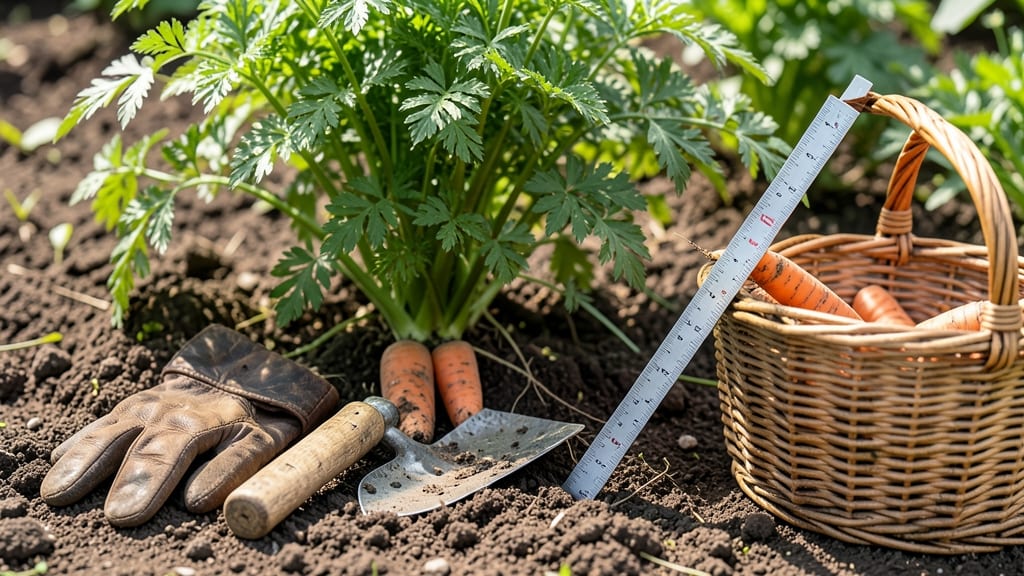
Picking carrots at the right time ensures sweet, crisp roots 🥕—wait too long, and you’ll end up with split, woody messes instead of garden-fresh perfection.
Picture this: you’ve nurtured your carrot patch for months, only to pull a root that’s either too small or already gone tough. That’s the frustration of guessing instead of knowing. The good news? With three simple soil tests, you can tell exactly when your carrots are ready—no more second-guessing.
Timing matters because flavor and texture peak at different stages. Baby carrots are tender and mild, while mature ones pack maximum sweetness. But how do you know when to pull them? We’ll cover the visual cues—like size, color, and root firmness—that signal the perfect harvest moment.
Plus, I’ll share how to adjust for your climate, whether you’re in a cooler Zone 6a or a warmer region, so you never miss the window between June and July for spring-planted carrots—or between October and November for fall harvests.


3 Soil tests to determine when carrots are ready for harvest
Harvesting carrots at the perfect moment transforms your garden into a sweet, crunchy treasure trove. The key? three simple soil tests that reveal when roots are primed for picking.
Unlike store-bought carrots, homegrown varieties develop maximum sweetness and crisp texture when harvested at their peak—never too early (bitter) or too late (woody). These tests work for all carrot varieties, from Danvers to Purple Haze, and adapt to your climate.
Most gardeners rely on leaf height or days after planting, but soil-based tests give you unmatched accuracy. The finger-pull test checks root resistance, the depth gauge confirms size, and color analysis verifies maturity.
Together, they eliminate guesswork and ensure carrots taste like they were grown in a Michelin-starred garden—not a grocery store.
Why these tests work: Carrots store energy in their roots as they mature. The soil tests measure physical resistance, root expansion, and pigment development—three science-backed indicators of peak ripeness. For example, a deep orange color signals high beta-carotene levels, while firm skin means cell structure is intact. Skip these tests, and you risk harvesting carrots that are either underdeveloped or overmature.
The finger-pull test is my go-to for daily checks. Gently grasp a carrot’s top leaves and tug upward—if the root resists but gives slightly, it’s ready. This method works even for short-rooted varieties like Paris Market, where depth isn’t a concern.
For longer types like Chantenay, combine this with the depth check to avoid buried surprises. Pro tip: Test 3–5 carrots per row for consistency.
Next, use a soil probe or ruler to measure root depth. Push it into the soil beside the plant until you hit resistance—this reveals the carrot’s actual size. For baby carrots, aim for 1–3 inches in diameter; for mature roots, 3–4+ inches.
Rocky or compacted soil can stunt growth, so loosen beds before planting. If your probe hits a rock at 2 inches, your carrots will never reach full size, no matter how long you wait.
Don’t overlook root color, especially for heirloom varieties. A deep, uniform hue (orange, purple, or yellow) signals peak sweetness. For orange carrots, look for a golden glow—pale roots lack flavor. For purple types, the color should extend from skin to core.
Cut one open to check: if the center matches the outside, it’s harvest time. Uneven color means uneven maturity, which can lead to split roots.
Timing matters most in hot climates. Carrots grow faster in cool weather (60–70°F), so harvest 2–3 weeks earlier than the package suggests. In Zone 9+, plant in fall for sweeter roots—summer heat makes them woody.
Conversely, in northern zones, extend the season with row covers to delay frost damage. Adjust your soil tests accordingly: finger-pull works year-round, but depth checks may need tweaking for compacted winter soil.
One common mistake? Waiting until the foliage yellows. By then, the roots are often overmature and split. Instead, harvest when leaves are lush and green—this ensures the root is still storing energy.
For continuous harvests, plant succession crops every 2 weeks and use the soil tests to time each batch. This way, you’ll always have fresh, sweet carrots without the risk of bolting or rot.
Store harvested carrots in moist sand or a plastic bag in the fridge for up to 3 weeks. But the real reward? Carrots picked at peak ripeness stay crisp and sweet for days longer than those harvested too early. With these three soil tests,
How carrot maturity affects flavor and storage life
Carrots develop their signature sweetness when harvested at the right stage—too early, and they’re bitter; too late, and they become woody or split. The sugar content peaks when roots are fully mature but still firm, typically 70 days after planting for most varieties.
Understanding this balance ensures both flavor and storage longevity.
Baby carrots (harvested at 50-60 days) offer tender crunch but lack the deep sweetness of mature roots. Meanwhile, fully grown carrots (ready at 70-80 days) store longer but risk bolting or cracking if left too long.
The key? Adjust harvest timing based on your goals—whether you prioritize early harvests or extended storage.
- 1 Baby Carrots (50-60 days): Harvest when 1-2 inches wide for tender, sweet flavor. Ideal for quick consumption or salads—store for 3-5 days in the fridge.
- 2 Mature Carrots (70-80 days): Wait until 3-4 inches wide and skin resists gentle pressure. Peak sugar content and storage life (3-4 months) in cool, dark conditions.
- 3 Over-Mature Carrots (>80 days): Risk woody texture and bolting. Harvest immediately if tops flower or roots split. Storage life drops to 1-2 weeks due to moisture loss.
For longer storage, prioritize mature carrots with dry tops and firm skin. Store them in sandy soil or moist sand in a cool cellar to preserve crispness for months. Baby carrots, however, should be eaten fresh or stored in humidity-controlled containers for up to a week.
Climate plays a role too. In cooler regions, carrots mature slower—extend harvest windows by 10-14 days. In hot climates, they bolt faster; harvest 2-3 weeks early to avoid bitterness. Always check soil moisture—drought stress accelerates maturity and reduces sweetness.
Pro tip: Thin seedlings early to avoid competition, which stresses roots and alters flavor. Overcrowded carrots grow smaller and tougher, while spaced plants develop sweeter, larger roots. Adjust thinning based on your desired size—2 inches apart for baby carrots, 4 inches apart for mature ones.
Remember: Harvest timing is your secret weapon. Sweet, crisp carrots start in the soil—listen to the plant, not the calendar. 🥕