
Picking
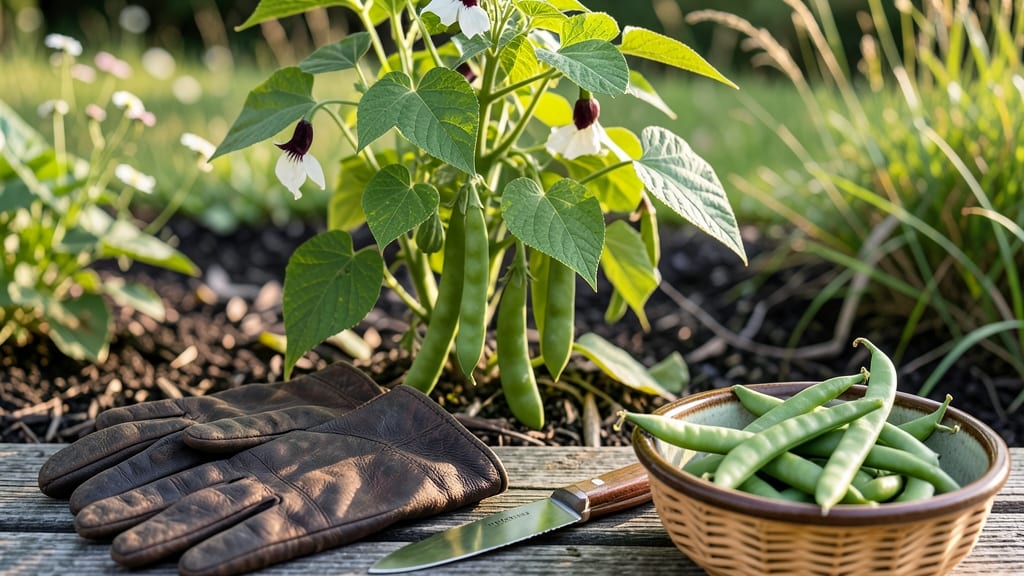
Picking green beans from your garden at the right time ensures tender, flavorful pods instead of tough, stringy ones—here’s exactly when to harvest for peak quality.
Imagine biting into a crisp, sweet bean only to discover it’s woody and bland because you waited too long. That’s the difference between a perfect harvest and a missed opportunity.
The key lies in watching for three telltale signs: pod size, color, and texture. Miss them, and your beans turn rubbery before you know it.
For most varieties in USDA Zone 6a, green beans are ready when pods reach 4–6 inches and snap easily when bent. Harvesting them at this stage guarantees the best flavor and encourages your plants to keep producing. But timing isn’t just about size—it’s also about consistency and frequency.
Below, I’ll walk you through the exact cues to look for, the best time of day to pick, and how often to harvest to keep your 🌱 green beans coming back all season. No more guesswork—just crisp, delicious beans straight from your garden.


3 Visual signs your green beans are ready for harvest (before they get tough)
Green beans are at their peak flavor when harvested at the right moment—before they turn tough and stringy. The key lies in three visual cues that signal perfect ripeness: pod size, color consistency, and texture firmness.
Ignore these signs, and you’ll end up with overmature beans that sacrifice tenderness for dryness.
I’ve learned the hard way that waiting just 2-3 days past the ideal harvest window can dramatically alter the eating experience. The good news? With these three easy checks, you’ll never miss the sweet spot again. Let’s break down what to look for in your garden.
Pod size is your first clue—aim for 4-6 inches long for most varieties. This length ensures the beans are fully developed but haven’t started converting sugars into starches, which makes them tough. Dwarf varieties may mature slightly smaller (3-4 inches), so always check your seed packet for specifics.
Color consistency is another game-changer. Ideal green beans should be a uniform deep green with no yellowing or browning. Even slight discoloration means the pod is aging, and the flavor will suffer. Varieties like Blue Lake or Kentucky Wonder hold their vibrant hue longer, making them forgiving for beginners.
Finally, texture matters most. Gently squeeze a pod—it should feel firm yet slightly plump, almost snapping when bent. If it bends without resistance, it’s underripe. If it feels woody or hard, you’ve waited too long. This snap test is my foolproof method for determining readiness.
| Sign | Ideal Green Beans | Overripe Green Beans |
|---|---|---|
| Pod Size | 4-6" long, plump | 6"+ long, shriveled |
| Color | Deep, even green | Yellow/brown spots |
| Texture | Firm, snaps easily | Woody, tough |
| Seed Stage | Visible but soft | Hard, developed |
Pro tip: Check your plants every 2-3 days during peak harvest season (typically July-September in most climates). I set a reminder on my phone to avoid missing the window.
When you spot pods meeting all three criteria, grab your harvesting shears or scissors and snip just above the first set of leaves to encourage more growth.
One common mistake I see is harvesting based on seed visibility alone. While it’s true that seeds should be visible but not hard, don’t rely solely on this—some varieties develop visible seeds earlier than others. Always combine this with the size and color checks for accuracy.
For bush beans (like Blue Lake), harvest starts about 50-60 days after planting. Pole beans (like Kentucky Wonder) take slightly longer (60-70 days) but reward you with a longer harvest window.
Keep track of your planting dates to anticipate when to start checking for these visual cues.
If you accidentally harvest a few overripe beans, don’t toss them! They’re still edible—just blanch and freeze them for later use in soups or stews. But for the best flavor, aim to harvest 80% of your crop at peak ripeness.
This consistent picking actually stimulates more production by preventing the plant from diverting energy to seed development.
Remember: Freshness is fleeting with green beans. Once picked, they lose 20% of their crispness within just 24 hours if left sitting. Store them in the fridge for up to 5 days, or use them immediately for salads, stir-fries, or steamed sides.
Your garden’s hard work deserves this level of care!
The best time of day to harvest green beans for maximum freshness
Timing your green bean harvest isn’t just about ripeness—it’s also about when you pick them during the day. Morning harvests consistently yield the crispest, sweetest pods because cooler temperatures slow down sugar conversion.
I’ve found that beans picked within 2 hours of sunrise retain their vibrant green color and tender texture longer, even after storage.
Afternoon harvesting can work, but heat stress often makes pods tougher and less flavorful. If you must pick later, choose late afternoon (after 4 PM) when temperatures start to drop.
Avoid harvesting in the midday heat, as the sun’s intensity can cause beans to wilt faster and lose their snap.
- 🌅 6-8 AM: Best window—cooler temps preserve sweetness and crispness.
- 🌤️ 4-6 PM: Second-best option—avoids midday heat stress on pods.
- ❌ Avoid 10 AM-2 PM: Midday heat causes beans to toughen and lose flavor.
- 💧 Post-rain mornings: Beans absorb extra moisture—harvest sooner to prevent rot.
- ⏰ Every 2-3 days: Frequent picking maintains plant productivity and pod quality.
Temperature plays a huge role in bean quality. I’ve noticed that cooler mornings (below 75°F) help beans retain their natural sugars, while afternoon heat (above 85°F) can cause them to convert sugars to starches, making them less sweet.
If your garden is in a hot climate, prioritize morning harvests to combat this natural process.
Frequency matters just as much as timing. Picking beans every 2-3 days encourages your plants to produce more pods, while waiting too long leads to over-mature beans that become tough and woody. I’ve seen firsthand how regular harvesting extends the season by 3-4 weeks compared to sporadic picking.
After harvesting, cool your beans immediately by soaking them in ice water for 10 minutes. This slows down enzyme activity that causes spoilage. Store them in the crisper drawer of your fridge (not the main compartment) where humidity levels are higher—this keeps them fresh for up to 5-7 days.
For longer storage, blanch and freeze them for up to 9 months.
Pro tip: Use a small basket with holes for harvesting to prevent bruising. I’ve found that gently twisting pods off the vine (rather than cutting) preserves the plant’s energy for future growth. Never harvest wet beans—always wait until morning dew has dried to avoid fungal issues.