
Picking
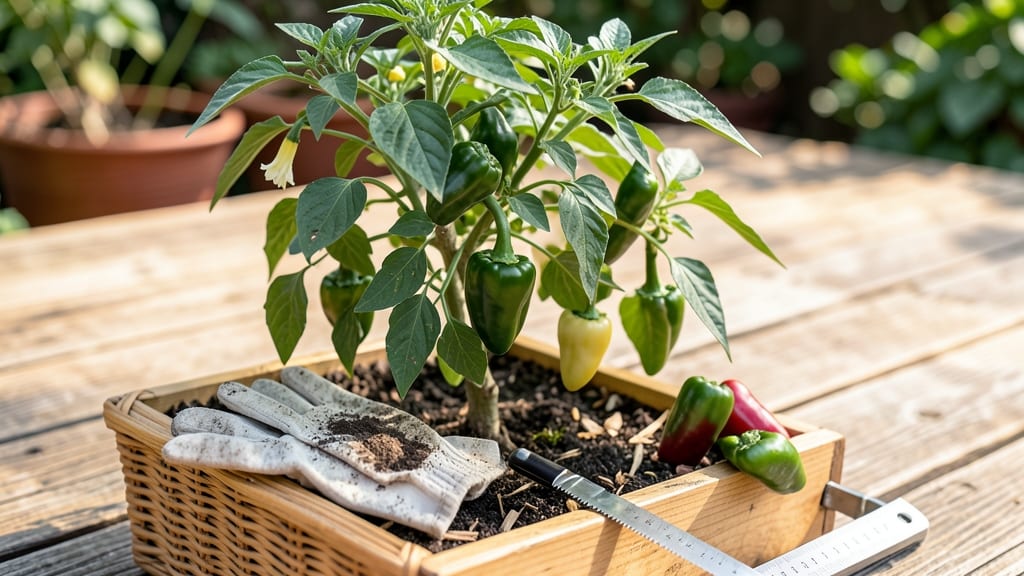
Picking jalapeños from your garden at the right time means the difference between mild, rubbery peppers and bold, flavorful heat—and most gardeners miss the best window by focusing on size alone.
Harvesting jalapeños at the wrong stage can leave you with underripe peppers that lack punch or overripe ones that turn bitter. The key? Watching for three color cues that signal peak ripeness—dark green, light green, or even red—depending on your variety.
In Zone 6a, where spring planting kicks off in April, your jalapeños will be ready for harvest as early as July, but timing varies based on when you planted and your local climate.
Below, I’ll show you exactly what to look for so you never miss the perfect moment.
You’ll learn how to spot glossy, firm peppers at their peak, why color matters more than size, and how to extend your harvest season for the best flavor and yield all the way through October.


Jalapeño color stages explained: when to pick for maximum heat
Harvesting jalapeños at the right color stage transforms your garden into a spice powerhouse. The heat level and flavor profile shift dramatically as these peppers mature, from mild green to fiery red. Understanding these color cues ensures you pick peppers at their peak for salsas, pickling, or fresh eating.
Jalapeños start as light green pods but develop into dark green or red depending on the variety. Each stage offers unique characteristics—green jalapeños pack a milder punch, while red jalapeños deliver intense heat and sweet undertones. Let’s break down the color progression and when to harvest for optimal results.
⚠️ Comparison Table: Jalapeño Color Stages & Harvest Guide
| Stage | Color | Size | Heat Level | Flavor Notes | Best For |
|---|---|---|---|---|---|
| Early Green | Pale green | 2–3 inches | Mild (500–1,500 SHU) | Grassy, fresh | Cooking (avoid raw) |
| Mature Green | Dark green | 3–5 inches | Moderate (2,500–8,000 SHU) | Balanced, slightly sweet | Pickling, salsas |
| Red | Bright red | 3–5 inches | Hot (8,000–16,000 SHU) | Sweet, fruity, intense heat | Fresh eating, drying |
The early green stage is where most gardeners make their first mistake. These pale green jalapeños are underripe, offering a grassy, mild flavor with minimal heat. They’re best cooked down in dishes where their freshness shines but lacks the bold punch gardeners crave.
Wait until your jalapeños reach the mature green stage—dark green and glossy with a firm texture. This is the sweet spot for pickling or salsa, delivering a balanced heat level (around 2,500–8,000 SHU). The skin thickens and the stem snaps cleanly, signaling readiness.
For maximum heat and complex flavor, let jalapeños ripen to red. The color shift from green to red indicates higher sugar content and capsaicin levels, boosting heat to 8,000–16,000 SHU.
Red jalapeños are sweeter with a fruity depth, perfect for fresh snacking or drying into flakes.
Pro tip: Harvest frequency matters! Picking green jalapeños encourages the plant to produce more peppers, while leaving them to turn red maximizes flavor. If you’re short on time, mature green is the compromise stage for consistent yields and usable heat.
Climate plays a role in ripening. In hotter zones (8–10), jalapeños may turn red faster (60–75 days), while cooler zones (6–7) might see slower color changes. Watch for temperature drops—below 50°F halts ripening entirely. Use row covers or greenhouses to extend the season if needed.
One common mistake? Waiting too long. Overripe jalapeños (wrinkled skin, soft texture) lose flavor and develop bitterness. Always harvest when the color is vibrant and the pepper feels firm to the touch. This ensures peak freshness and heat intensity every time.
Now that you’ve mastered the color cues, your next step is testing size and firmness—because even the right color can hide an underripe pepper. Stay tuned for our next section on harvesting techniques to lock in that perfect jalapeño heat! 🌶️✂️
3 Critical color cues to harvest jalapeños at peak flavor
Timing your jalapeño harvest by color cues ensures maximum flavor and heat. Unlike tomatoes, these peppers don't ripen after picking, so color is your best indicator.
Dark green, light green, and red stages each offer distinct spice profiles—knowing when to harvest each prevents wasted effort and bland results.
Most gardeners focus only on green jalapeños, missing the red stage's deeper flavor and sweeter notes. The key is understanding how sunlight exposure and temperature influence color changes.
In cooler climates, peppers may stay green longer, while warm zones accelerate the transition to red. Let's break down the three critical color cues that guarantee perfect ripeness.
🌱 When to Pick Jalapeños by Color Stage
-
1. Dark Green Stage (3-5 inches)
Firm, glossy skin with deep dark green hue. Ideal for mild heat and fresh eating. Harvest when stem snaps easily—this signals peak crispness. -
2. Light Green Stage (4-6 inches)
Slightly lighter green with matte finish. Best for sautéing or pickling. Wait until skin is firm but not waxy—overripe peppers here lose crispness. -
3. Red Stage (5+ inches)
Deep red color indicates sweeter, fruitier flavor with higher heat. Harvest before skin softens—overripe red peppers become mealy and lose heat intensity.
Pro Tip: Use a pruning shear to avoid damaging the plant. Twisting peppers can tear stems, inviting disease.
For milder jalapeños, harvest at the dark green stage—these peppers pack 2,500-5,000 SHU (Scoville Heat Units). Let them turn light green for 3,500-8,000 SHU, perfect for salsas or grilling.
Wait for red to unlock sweeter, fruitier notes with 8,000-15,000 SHU, ideal for drying or sauces.
Watch for color inconsistencies—uneven hues or yellow patches signal overripeness or nutrient deficiencies. If your peppers stay green despite warm weather, check for shade stress or low nitrogen. A balanced fertilizer (like 10-10-10) applied mid-season can encourage proper ripening.
In cooler climates (Zones 6-8), jalapeños may never turn red. Don't wait—harvest at dark green for the best heat and texture. In hotter zones (9-11), red peppers ripen faster; monitor daily to avoid overripe peppers, which lose heat and become mealy.
A quick twist test confirms ripeness—if the stem snaps cleanly, it's ready.
Remember: Color isn't the only cue. Pair these tips with size checks (3-5 inches) and firmness tests for foolproof harvesting. Now grab those shears—your jalapeño harvest is about to reach new heights! 🌶️