
Picking
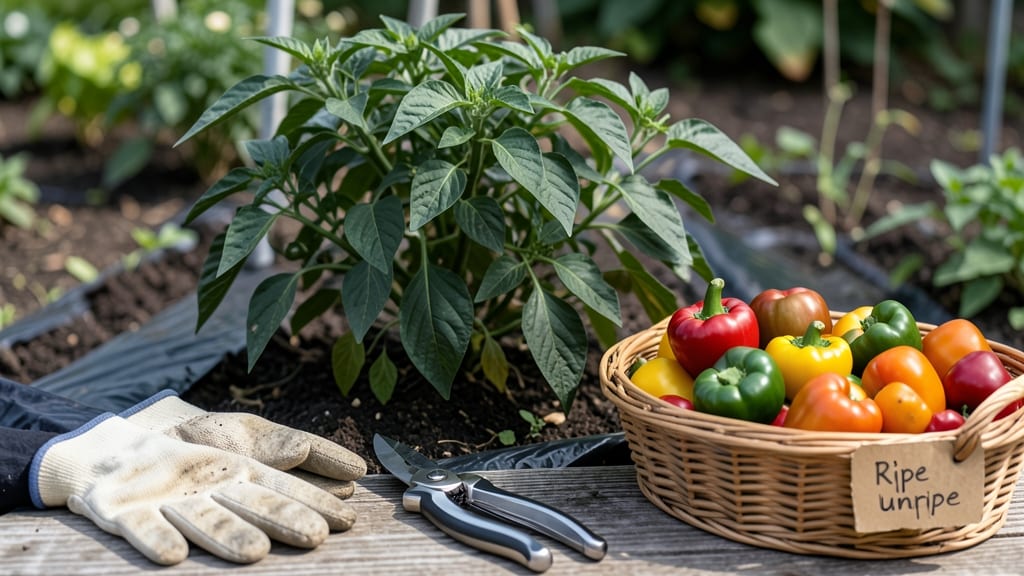
Picking peppers at the right time means the difference between a garden full of vibrant, flavorful pods and bitter, overripe disappointments.
Ever snipped a pepper only to discover it was still hard or bland? That’s a common mistake—waiting too long or harvesting too soon can ruin the taste and texture.
The key is knowing when the color, size, and firmness align for peak ripeness, and that’s what this guide will help you master.
Peppers ripen at different rates depending on the variety—bell peppers, jalapeños, and heirlooms each have their own cues. Some turn red, others stay green but grow sweeter, and a few even shift to yellow or orange.
Understanding these stages ensures you’re harvesting at the perfect moment for the best flavor and yield.
Below, I’ll walk you through the color-coded ripeness chart, how to test firmness and taste, and when to adjust for your climate—whether you’re in a hot summer region or a cooler growing zone. Ready to turn your garden into a pepper powerhouse?


Peppers ripeness guide: color-coded stages for optimal harvesting
Harvesting peppers at the right time transforms your garden into a flavor factory. Underripe peppers taste bitter and leathery, while overripe ones turn mealy and lose their vibrant hues. The secret lies in color cues, texture tests, and knowing your pepper variety’s natural progression.
For example, bell peppers reach peak sweetness when fully colored, while jalapeños pack maximum heat at their brightest red stage.
Not all peppers follow the same ripening timeline. Some varieties—like shishito peppers—are best harvested green and small, while others, such as cayenne peppers, develop their signature heat only when fully mature.
Even within the same plant, different peppers may ripen at different rates, so regular checks are key. I’ve learned the hard way that skipping weekly inspections can mean missing the perfect harvest window entirely.
Color is your first clue, but it’s not the only one. A pepper’s firmness, glossiness, and even the way it snaps at the stem all signal readiness. For instance, a red bell pepper should feel slightly firm yet yield slightly when gently squeezed, while a yellow habanero will have a waxy sheen and a stem that detaches cleanly. Ignoring these signs often leads to peppers that are either too tough or too soft for ideal use.
For bell peppers, the green stage is often harvested for pickling or stir-fries, but they reach their peak sweetness when fully red. I’ve found that jalapeños and serranos develop their signature heat only when they turn bright red, so waiting for that final color change is worth the patience.
Meanwhile, shishito peppers are typically harvested green and small, around 3-4 inches long, for their delicate flavor.
Climate plays a surprising role in ripening. In hotter regions, peppers may ripen faster and turn color more vibrantly, while cooler climates can slow the process.
For example, if you’re in Zone 5 or below, your peppers might need extra time to mature, especially if summer nights are chilly.
I once grew cayenne peppers in a greenhouse extension during a cool summer, and they took nearly 30 extra days to turn red compared to my usual harvest schedule.
One of my biggest mistakes was harvesting peppers too late because I thought they’d keep ripening off the plant. While some varieties can continue ripening indoors, most—especially hot peppers—lose flavor and texture if left on the vine past their prime.
A good rule of thumb is to harvest within 2-3 days of reaching full color for the best results. For bell peppers, this means picking them when they’re deep green or fully colored, depending on your preference.
Don’t overlook the stem test—a simple but effective trick
How to test pepper ripeness: the 3-Step touch-and-taste method
Harvesting peppers at the perfect moment transforms your garden into a flavor factory. While color is the first clue, true ripeness lies in a combination of texture, stem separation, and taste cues that go beyond what you see.
Skipping these steps often leads to peppers that are either too firm and underripe or mushy and overripe—both ruin the flavor profile.
I’ve learned the hard way that waiting for color alone isn’t enough. A bright red bell pepper might still taste bland if harvested too late, while a green jalapeño can pack maximum heat when picked early.
The secret is using your hands and palate to confirm ripeness, not just your eyes. Here’s how I do it every harvest season.
The 3-Step Touch-and-Taste Method
-
Step 1: The Firmness Test
Gently squeeze the pepper with your thumb and forefinger. A ripe pepper should have a slight give—like pressing a ripe avocado. If it feels rock-hard, it’s underripe. If it’s soft or wrinkled, it’s overripe. For bell peppers, the skin should resist gentle pressure but still yield slightly.
-
Step 2: The Stem Twist Test
Grasp the pepper near the stem and give it a firm twist. If the stem separates cleanly from the plant with minimal resistance, it’s ready to harvest. A stubborn stem means the pepper isn’t fully mature yet. This test works best in the morning when peppers are firmest.
-
Step 3: The Taste Cue
Here’s where your palate becomes your best tool. Take a small bite—ripe peppers should taste sweet and fully developed for sweet varieties or intensely flavorful for hot peppers. If it tastes bland or bitter, it’s not ready. For hot peppers, the heat should be sharp and immediate, not muted.
One mistake I see gardeners make is harvesting peppers based on size alone. A pepper might be large but still underripe, especially in cooler climates where ripening slows.
Always combine size with the touch-and-taste method. For example, a jalapeño should be at least 3 inches long before testing ripeness, but a bell pepper might need 4-5 inches.
Climate plays a role too. In hot, sunny regions like Zone 9 or 10, peppers ripen faster and may need harvesting every 2-3 days. In cooler zones like Zone 5 or 6, ripening takes longer, and peppers might need an extra week to reach full flavor.
Always adjust your harvesting schedule based on your local growing conditions.
Pro tip: Harvest in the morning when peppers are cool and crisp. This makes the firmness test more accurate and reduces the risk of bruising. Use clean, sharp pruners or scissors to avoid damaging the plant.
If you’re unsure, err on the side of harvesting slightly early—peppers left too long on the plant won’t ripen further off the vine.
Remember, the goal is peak flavor, not just color. By mastering these three steps, you’ll turn every harvest into a delicious reward. Now go test those peppers—your taste buds will thank you! 🌶️