
Picking
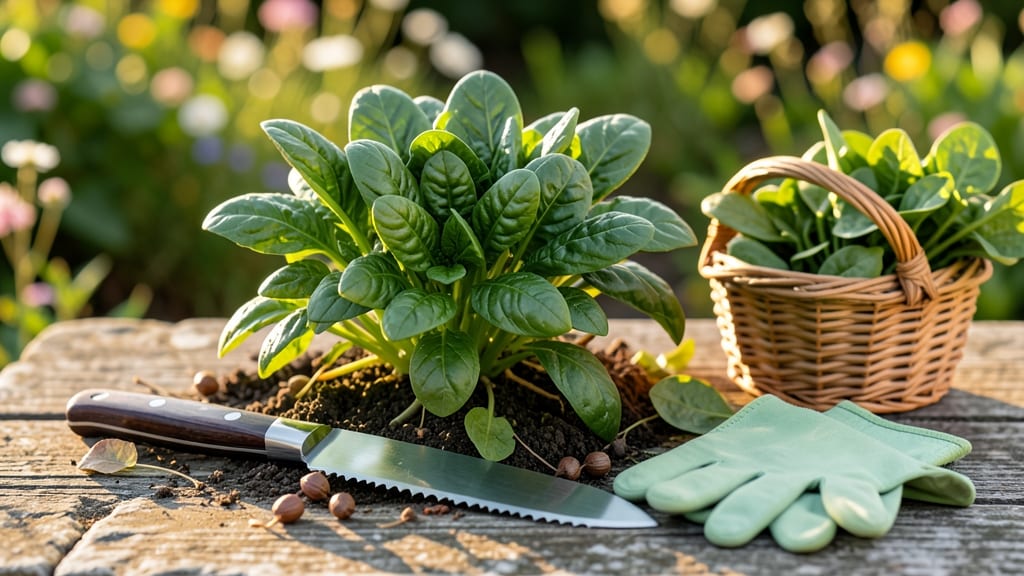
To pick spinach from your garden at the perfect moment means harvesting tender, sweet leaves that taste like they came straight from a chef’s kitchen—not the bitter, tough scraps you end up with when you wait too long.
Harvesting spinach at the wrong time can turn your homegrown bounty into bitter, tough leaves—so timing your pick perfectly is the secret to restaurant-quality flavor right from your garden. 🍃
Most gardeners assume spinach is ready when the leaves are big, but size isn’t the real marker—it’s tenderness and color. Dark green, crisp leaves that snap easily (not crunch) are your cue, usually when they’re about 4-6 inches long.
Below, I’ll walk you through the exact signs to watch for, how to harvest without harming the plant, and why cool weather keeps spinach sweet longer than you’d expect.


Spinach harvesting stages: when to pick for sweetest flavor
Timing your spinach harvest is everything—pick too early, and you waste tender leaves; too late, and they turn tough and bitter. The key lies in understanding the three distinct growth stages of spinach: seedling, baby leaf, and mature leaf.
Each stage offers a different flavor profile, and knowing when to harvest maximizes your garden's sweetest, most flavorful yield. I've grown spinach for years, and I can tell you firsthand that mastering these stages transforms your harvest from ordinary to extraordinary.
Spinach thrives in cool weather, but even within its ideal conditions, the leaf size, color intensity, and texture change dramatically as it matures.
For example, baby leaves harvested at just 3-4 inches long are delicate and packed with sweetness, while mature leaves can reach 6+ inches but may develop a slightly stronger, earthier flavor. The secret?
Pay attention to these visual cues to pick at the perfect moment—before the plant decides to bolt and go to seed.
Here’s a quick visual guide to help you identify the best time to harvest spinach based on its growth stage. This table breaks down the key characteristics you should look for in your garden:
The baby leaf stage is where spinach shines—harvesting leaves at 3-4 inches long delivers the sweetest flavor and most tender texture. This is the stage I always aim for when growing spinach for salads, as the leaves are delicate enough to eat raw.
If you're growing spinach for cooking, you can wait until the mature leaf stage (5-7 inches), but be mindful of the plant's age. Spinach plants older than 60 days often bolt, especially if temperatures rise above 75°F.
One of my biggest mistakes early on was waiting too long to harvest. I thought bigger leaves meant better flavor, but they ended up tough and bitter. Now, I check my spinach every 2-3 days during its peak growing season.
Look for leaves that are dark green and crisp—these are your cues for the perfect harvest. If the leaves start to develop yellow edges or feel slightly woody, it’s a sign you’ve missed the window. Trust me, your taste buds will thank you for paying attention to these details.
Another pro tip: Harvest spinach in the morning after the dew has dried but before the sun gets too intense. This is when the leaves are at their peak crispness and flavor.
I always use a sharp pair of scissors or clean pruning shears to snip leaves just above the soil line. This encourages new growth and prevents damage to the plant. Avoid pulling leaves by hand, as this can uproot the entire plant and stunt its growth.
If you're growing baby leaf spinach varieties like 'Baby's Leaf Hybrid' or 'Tinda,' you can harvest the entire plant once the leaves reach 3-4 inches.
How to harvest spinach without killing the plant: leaf-by-leaf techniques
Harvesting spinach correctly is all about balance—you want tender leaves without stressing the plant. The key is to use leaf-by-leaf harvesting techniques that encourage regrowth while avoiding bolting or bitter flavors.
Unlike other greens, spinach thrives when you give it room to recover, so never take more than 1/3 of the plant at once. This method keeps your spinach producing for weeks, not just a single harvest.
Before you grab your shears, check the leaf size and color. Ideal leaves are 4-6 inches long, deep green, and tender to the touch. If you see yellowing or woody stems, it’s a sign you’ve waited too long or the plant is stressed.
The best time to harvest is on a cool morning after dew has dried—this ensures crispness and minimizes stress on the plant.
Step-by-Step Leaf-by-Leaf Harvesting
- 1 Wait for maturity: Harvest when outer leaves reach 4-6 inches and are dark green. Avoid harvesting if soil temps exceed 75°F (bolting risk).
- 2 Use clean tools: Snip with sharp scissors or pruners (never tear leaves). Sterilize tools with rubbing alcohol to prevent disease.
- 3 Cut at the base: Angle cuts 1/4 inch above ground to encourage new growth. Avoid cutting into the main stem or center leaves.
- 4 Leave inner leaves: Never harvest more than 1/3 of the plant at once. Focus on outer, larger leaves to protect the growing point.
- 5 Avoid overharvesting: Space harvests 7-10 days apart in cool weather. In hot months, reduce to every 2 weeks to prevent stress.
- 6 Water and fertilize after: Give plants 1 inch of water and a light nitrogen feed (like compost tea) to recover. Mulch to retain moisture.
One common mistake is cutting the entire plant at once, which stunts regrowth. Instead, think of your spinach like a haircut: you trim the outer layers to encourage fuller growth.
If you’re growing baby leaf varieties, you can harvest the whole plant at 3-4 inches tall, but for mature leaves, always leave the center intact. This technique works especially well for Savoy spinach, which has crinkled leaves that hide new growth.
For container-grown spinach, the same rules apply, but monitor moisture closely—potted plants dry out faster. If your spinach starts to bolt (send up flower stalks), it’s a sign of stress from heat, drought, or over-maturity.
At this point, harvest the remaining leaves immediately and compost the plant to prevent reseeding. Bolting makes leaves bitter, so act fast if you see yellow flower buds forming.
Pro tip: Use a small pair of kitchen shears for precision cuts. Avoid your fingers—pinching leaves can bruise the plant and invite pests. Store harvested spinach in a plastic bag with a paper towel to absorb moisture, and use within 3-5 days for peak freshness.
With the right technique, your spinach patch can produce harvests for 6-8 weeks, giving you a steady supply of homegrown greens.
Remember, spinach is a cool-season crop, so time your harvests to avoid hot summer days. If you’re in Zone 6a, aim for spring harvests in April-May and fall harvests in September-October. By following these leaf-by-leaf techniques, you’ll enjoy tender, flavorful spinach without sacrificing future yields.