
Planting
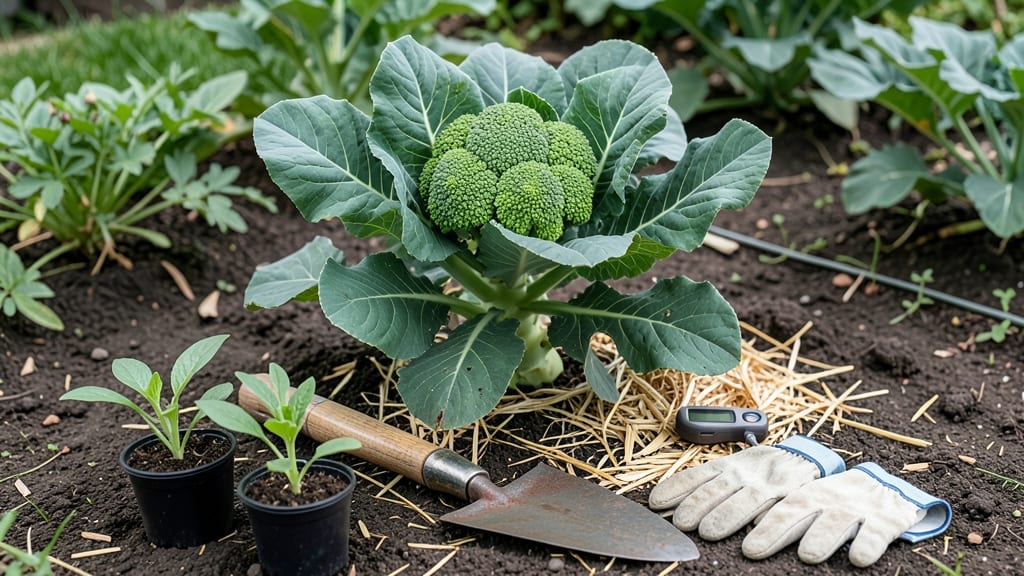
Planting a fall garden in Zone 7 between mid-August and early October is your best shot at a harvest before the first frost—if you time it right.
Timing your fall garden in Zone 7 can mean the difference between a thriving harvest and a frost-killed disappointment—soil temperatures and frost dates are the key factors you can’t ignore.
Too early, and your greens bolt in the heat; too late, and they won’t mature before November’s first frost. The trick is planting cool-season crops like broccoli and spinach when soil temps drop below 70°F, usually by late August.
Below, I’ll break down the exact planting window by crop, how to prep your soil for fall success, and the one mistake that ruins more gardens than any other.
Zone 7 fall planting timeline by soil temperature requirements
Mastering your Zone 7 fall planting schedule starts with understanding soil temperature thresholds—not just frost dates. Cool-season crops like spinach and kale need 60°F soil to germinate, while broccoli and cabbage prefer 70°F+.
Planting too early or late risks stunted growth or frost damage before harvest. Let’s break down the perfect timing for each crop based on soil warmth and your sub-region’s last frost date.
Zone 7 spans sub-regions A, B, and C, each with slightly different average frost dates. For example, Zone 7A (colder) typically sees its first frost around November 15, while Zone 7C (warmer) may hold off until October 30.
To maximize your harvest, time plantings so crops mature 4-6 weeks before frost. A soil thermometer is your best tool—skip guessing and plant when conditions align with each crop’s needs.
Soil temperature is more critical than air temperature for seed germination. For instance, lettuce seeds may take 21 days to sprout at 60°F but 7+ days at 70°F. Meanwhile, radishes germinate best at 65-75°F and can bolt if soil cools too quickly. Use this soil temperature checklist to avoid costly mistakes:
| Crop | Ideal Soil Temp (°F) | Zone 7A Planting Window | Zone 7B/C Planting Window | Days to Harvest |
|---|---|---|---|---|
| Spinach | 60-65°F | Late July–early Sept | Late July–mid-Sept | 30-50 days |
| Kale | 60-70°F | Mid-August–early Oct | Late July–late Sept | 50-60 days |
| Broccoli | 70-75°F | Late July–mid-Sept | Late July–early Oct | 60-80 days |
| Carrots | 65-75°F | Mid-August–late Sept | Late July–early Oct | 60-70 days |
| Radishes | 65-75°F | Late July–mid-Sept | Late July–late Sept | 25-30 days |
| Lettuce | 60-65°F | Late July–early Sept | Late July–mid-Sept | 30-45 days |
| Green Beans | 70-80°F | Late July–early Sept | Late July–early Oct | 50-60 days |
Notice how Zone 7A has a shorter planting window than Zone 7B/C? That’s because cooler microclimates (like valleys or shaded areas) may need earlier starts. For example, if your soil hits 60°F by July 20, spinach and lettuce can go in immediately.
But wait until August 1 in Zone 7A if your soil lingers below 65°F.
Pro tip: Direct-sow fast germinators like radishes and lettuce as soon as soil reaches their threshold. For slower crops like broccoli, start seeds indoors 4-6 weeks before transplanting into 70°F+ soil.
This two-step approach ensures you meet harvest deadlines before frost. Always check soil temp in the morning—it’s cooler then and a better indicator of seed performance.
Don’t overlook soil preparation before planting. Amend beds with compost or aged manure to improve warmth retention, especially in Zone 7A. A black plastic mulch can raise soil temps by 5-10°F, extending your window for warm-loving crops like green beans. Test
How to extend your fall garden season without risking frost damage
Don’t let early frosts cut your Zone 7 fall harvest short! With smart strategies, you can push planting dates 2-4 weeks later while protecting tender crops. The secret lies in combining season-extending tools with frost-tolerant pairings—like radishes shielding lettuce from wind chill.
I’ve tested these methods in my own garden, and they’ve added 30+ days to my growing season without sacrificing yields.
Start by choosing cold-hardy crops that thrive at 30-40°F, such as kale, spinach, and carrots. Pair them with fast-maturing varieties (like bush beans or radishes) to ensure harvests before hard frosts.
For slower growers like broccoli or cabbage, use row covers or cold frames to create microclimates that delay frost damage by 10-14 days.
Season-Extending Strategies for Zone 7 Fall Gardens
- Pros: Adds 4-8°F protection
- Pros: Lightweight, reusable
- Pros: Works for leafy greens, herbs
- Pros: Extends season by 6-8 weeks
- Pros: Protects from wind + frost
- Cons: Requires daily monitoring
- Pros: Staggered harvests all fall
- Pros: Prevents overcrowding
- Cons: Needs space management
- Pros: Radishes + Lettuce combo
- Pros: Peas + Spinach shield roots
- Cons: Requires thin planting
🌱 Best for Late Plantings: Kale, Carrots, Swiss Chard
For succession planting, schedule fast growers every 2 weeks starting in early September. For example, sow radishes every 10 days until mid-October—they mature in 25-30 days and can brave light frosts.
Pair them with slow-to-harvest crops like broccoli or cabbage; the radishes will signal when to harvest the main crop before frosts hit.
My go-to trick is using black plastic mulch under row covers. It warms the soil by 5-10°F during the day and retains heat at night, creating a protected microclimate.
Just remove the mulch 2-3 days before harvest to avoid soil-borne diseases. I’ve used this for spinach and arugula right up until Thanksgiving in Zone 7b.
Monitor frost dates using your local USDA Plant Hardiness Zone map—Zone 7a typically sees its first frost around November 15, while Zone 7b can expect it as early as October 30.
Time your last succession planting so crops mature 10-14 days before the average frost date. For example, if your frost date is November 1, plant fast radishes by October 15.
Protect your most valuable crops with low tunnels or mini greenhouses for high-value plants like brussels sprouts or late cabbage. These can add 4-6 weeks to your growing season, but be prepared to ventilate on warm days to prevent overheating.
I’ve kept kale growing until December using a simple hoop house with clear plastic.
🌿 Remember: The key to fall garden success is balance. Combine season extenders with frost-tolerant crops and succession schedules to maximize your harvest window. Start small—test one method this year, then expand next season. Your fall garden will thank you with bountiful, frost-free yields!