
Planting
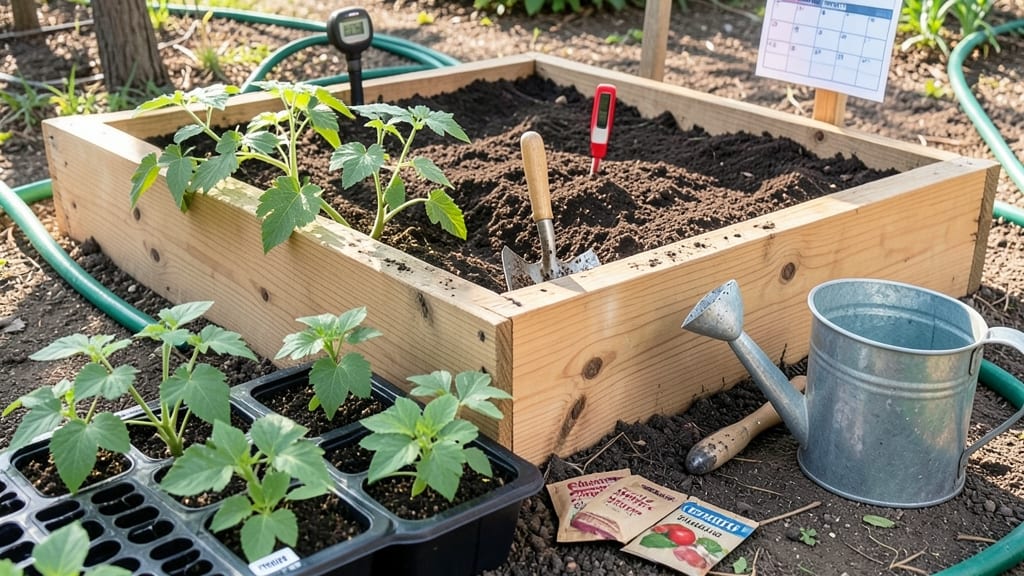
Planting a garden in Arkansas at the right time ensures your 🌱 General Garden Vegetables thrive in zones 7a-8b, whether you're sowing cool-season greens or heat-loving tomatoes.
Timing your garden planting in Arkansas can mean the difference between a thriving harvest and a lost season—knowing your region’s frost-free dates is key to success. Skip the guesswork and avoid the heartbreak of wilting seedlings or stunted growth.
With last frosts ranging from mid-March in the Ozarks to early April in the Delta, Arkansas offers a surprisingly long growing window. But planting too early or too late can leave your crops vulnerable to cold snaps or scorching heat.
Below, I’ll break down the exact months to plant by region, share frost-date hacks for extending your season, and give you a simple checklist to avoid common mistakes—so you can enjoy a bountiful harvest from spring to fall.
Arkansas frost-free dates by region: key planting windows
Timing your garden planting in Arkansas depends heavily on your region’s frost dates and USDA hardiness zone. Arkansas spans zones 6b through 8a, meaning the Northwest Ozarks (zone 6b) experience earlier frosts than the southern Delta (zone 8a).
These differences create distinct planting windows for both cool-season and warm-season crops.
Understanding your last spring frost and first fall frost dates is critical. In the North, the last frost typically arrives by mid-April, while the South can safely plant as early as late February.
Similarly, fall frosts hit the Northwest Ozarks by early November, but the Delta region may enjoy planting into mid-December for heat-loving crops.
The average frost-free growing season in Arkansas ranges from 180 to 240 days, depending on location.
This means cool-season crops like lettuce and peas thrive in early spring and late fall, while warm-season favorites like tomatoes and peppers need to wait until after the last frost and before the first fall chill.
Here’s a region-by-region breakdown of Arkansas frost dates and ideal planting windows to help you plan your garden:
For warm-season crops like tomatoes, peppers, and squash, wait until the soil temperature reaches at least 60°F—usually 2-3 weeks after your region’s last frost date.
In the Northwest Ozarks, this means planting tomatoes after April 15, while gardeners in the Delta can start as early as late February.
Cool-season crops such as lettuce, spinach, and broccoli can handle cooler temperatures, so they’re ideal for early spring (as soon as the soil is workable) and late fall (6-8 weeks before your first frost).
In Central Arkansas, this translates to planting spinach in February for a spring harvest or September for a fall crop.
Don’t forget to adjust for microclimates—valleys and low-lying areas may frost earlier than hilltops. Use row covers or cold frames to extend your growing season in cooler regions. For precise frost dates, check the Arkansas Cooperative Extension Service or use a local weather station for real-time updates.
By aligning your planting schedule with these frost-free windows, you’ll maximize your garden’s potential and enjoy a bountiful harvest all season long. Happy planting! 🌱
Best crops to plant in Arkansas by season: month-by-month guide
Arkansas gardeners enjoy a long growing season thanks to its USDA zones 6b-8a, but timing matters. The Arkansas River Valley warms faster than the Ozark Mountains, so adjust planting dates based on your microclimate. Start with cool-season crops in early spring and transition to heat-loving plants by summer.
For vegetables like tomatoes and peppers, wait until after the last frost (typically mid-March to early April) when soil reaches 60°F+. Meanwhile, leafy greens thrive in cooler months like February and October.
Herbs such as basil and cilantro prefer warmth but can handle light frosts if protected.
🌱 Arkansas Planting Calendar
- February-March: Cool-season crops like spinach, lettuce, and peas (plant 4-6 weeks before last frost). Start onion and broccoli seeds indoors.
- April: Transplant tomatoes, peppers, and eggplants after soil warms to 60°F+. Sow beans and cucumbers directly into soil.
- May-June: Plant squash, corn, and okra when nights stay above 55°F. Add marigolds and nasturtiums to deter pests.
- July-August: Succession plant bush beans and summer lettuce for fall harvests. Sow herbs like dill and parsley for late-season flavor.
- September-October: Transition to fall greens (kale, collards) and radishes. Plant garlic and onions for next year’s harvest.
In the Arkansas Delta, where summers are hotter and longer, prioritize shade-loving crops like okra and sweet potatoes in July. Meanwhile, Ozark gardeners can extend seasons with row covers for cool-weather crops like carrots and beets into October.
Don’t forget flowers and herbs! Plant marigolds, zinnias, and basil in April-May for summer blooms and flavor. Pansies and snapdragons handle fall frosts beautifully, adding color until November. For perennials like lavender, plant in early spring or fall to establish roots before extreme heat or cold.
Pro tip: Use mulch to retain moisture in hot months and straw bales to protect fall crops from early frosts. Check the Arkansas Cooperative Extension for local frost dates and soil tests to fine-tune your schedule.
With this month-by-month guide, your Arkansas garden will stay productive year-round—whether you’re in the humid Delta or the cooler Ozarks. Happy planting! 🌿