
Planting
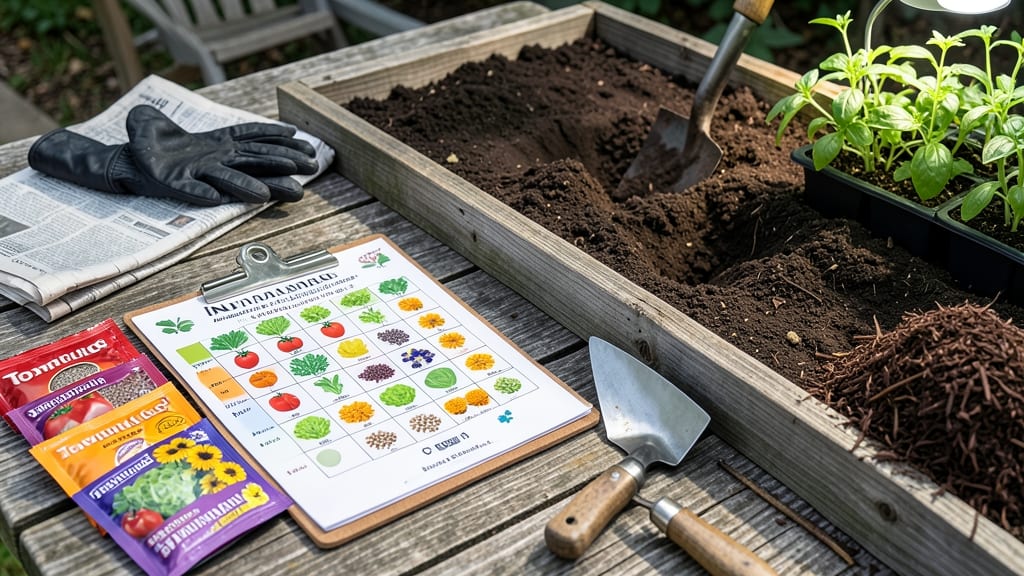
Planting a garden in Indiana at the right time means the difference between a bumper crop and a sad, frost-nipped disappointment.
Indiana gardeners know timing is everything—plant too early and risk frost damage, too late and miss peak harvests. But with Indiana’s diverse climate zones, knowing exactly when to plant each crop can mean the difference between a thriving garden and a disappointing one.
Most Indiana gardeners aim for mid-April to mid-May for spring planting, once soil temperatures hit 60°F and the last frost has passed. But fall crops need their own schedule, starting as early as late August to mature before the first frost in October.
Below, I’ll break down the ideal planting windows by crop type, frost-date maps for your exact zone, and pro tips to extend your growing season—so you can enjoy fresh harvests from spring through fall.
Indiana frost dates by Zone: critical planting windows for your location
Indiana spans USDA Hardiness Zones 5a through 6b, which means frost dates vary dramatically from north to south. Knowing your exact last spring frost and first fall frost is essential for timing cool-season crops like spinach and warm-season crops like tomatoes.
Northern Indiana (Zone 5a) typically sees frost until May 15, while southern Indiana (Zone 6b) often warms up by April 15.
These differences affect everything from seed-starting indoors to transplanting seedlings outdoors. For example, in Zone 5a, you might start frost-sensitive peppers and eggplants indoors in March, while Zone 6b gardeners can wait until mid-April.
The key is aligning your planting schedule with your local frost-free window, which averages 165 days in Indiana.
Here’s how to use this guide: First, identify your USDA zone using the USDA Interactive Map. Then, compare your location to the average frost dates below. For extra precision, check local weather records or use a frost calendar from Purdue Extension.
| USDA Zone | Avg. Last Frost | Avg. First Frost | Frost-Free Window | Cool-Season Planting | Warm-Season Planting |
|---|---|---|---|---|---|
| 5a (Northern IN) | May 15 | October 10 | 148 days | March 15–April 30 | May 20–June 10 |
| 5b (Central IN) | April 25 | October 15 | 173 days | March 1–April 15 | April 20–May 15 |
| 6a (Southern IN) | April 10 | October 20 | 194 days | February 15–March 30 | March 20–April 10 |
| 6b (Southeast IN) | March 25 | October 25 | 214 days | February 1–March 15 | March 10–March 30 |
For cool-season crops like lettuce, spinach, and peas, you can start seeds 4–6 weeks before your last frost date. In Zone 5a, that means early March, while Zone 6b gardeners can begin in late February.
These crops thrive in cooler temperatures and can even handle light frosts, making them ideal for early spring planting.
Warm-season crops—think tomatoes, peppers, and cucumbers—need soil temperatures above 60°F to germinate. In northern Indiana, wait until after May 15 to plant these directly outdoors.
For a head start, begin seeds indoors 6–8 weeks before your last frost. Southern Indiana gardeners can plant outdoors as early as mid-April.
Fall planting follows a similar rule: cool-season crops should go in 8–10 weeks before your first frost. In Zone 5a, that’s late July to early August, while Zone 6b gardeners can extend planting until mid-September.
Use row covers to protect tender greens from early frosts and extend your harvest into late October.
Microclimates can shift your frost dates by 1–2 weeks. Areas near lakes or rivers (like Lake Michigan shorelines) often warm up faster in spring and cool down slower in fall. Conversely, inland valleys may experience frost <
Best planting calendar for Indiana crops: month-by-month guide
Indiana's diverse climate means your planting schedule depends on whether you're in Zone 5b (northern IN) or Zone 6b (southern IN). While the average last frost is April 15, microclimates near lakes or urban areas can shift this by weeks.
Warm-season crops like tomatoes and peppers need soil temperatures above 60°F, while cool-season crops like spinach tolerate light frosts. Plan ahead to avoid common mistakes like planting cucumbers too early—just ask any gardener who's lost seedlings to a surprise frost!
My month-by-month breakdown separates crops into frost-sensitive (warm-season) and frost-tolerant (cool-season) categories. For transplants (like tomato starts), I’ve included ideal transplant dates after your local frost date. For direct-sowing seeds, timing matters too—carrots and radishes can handle early spring, but squash needs warmer soil.
Use this as your garden roadmap to maximize yields and avoid wasted effort.
- 1 March (Cool-Season Crops): Start spinach, lettuce, peas, and onions indoors or under row covers. Direct-sow radishes and potatoes when soil reaches 40°F.
- 2 April (Transplants & Early Seeds): Harden off tomato, pepper, and basil transplants. Plant broccoli, cauliflower, and kale outdoors after last frost. Direct-sow beans and corn when soil hits 60°F.
- 3 May (Peak Planting): Transplant tomatoes, peppers, and eggplants after May 1. Direct-sow cucumbers, squash, and melons when nights stay above 50°F. Succession-plant lettuce every 2 weeks for continuous harvests.
- 4 June (Heat-Loving Crops): Focus on okra, sweet potatoes, and Southern peas. Sow basil and dill for summer herbs. Avoid planting cool-season crops—they’ll bolt in the heat.
- 5 August (Fall Prep): Start cool-season crops like kale and spinach indoors. Direct-sow radishes and turnips outdoors for fall harvests. Transplant broccoli and cabbage 8 weeks before first frost.
- 6 September (Last Chance): Plant garlic and onion sets for next year. Direct-sow carrots, beets, and lettuce for late fall harvests. Harvest warm-season crops before hard frosts hit.