
Planting
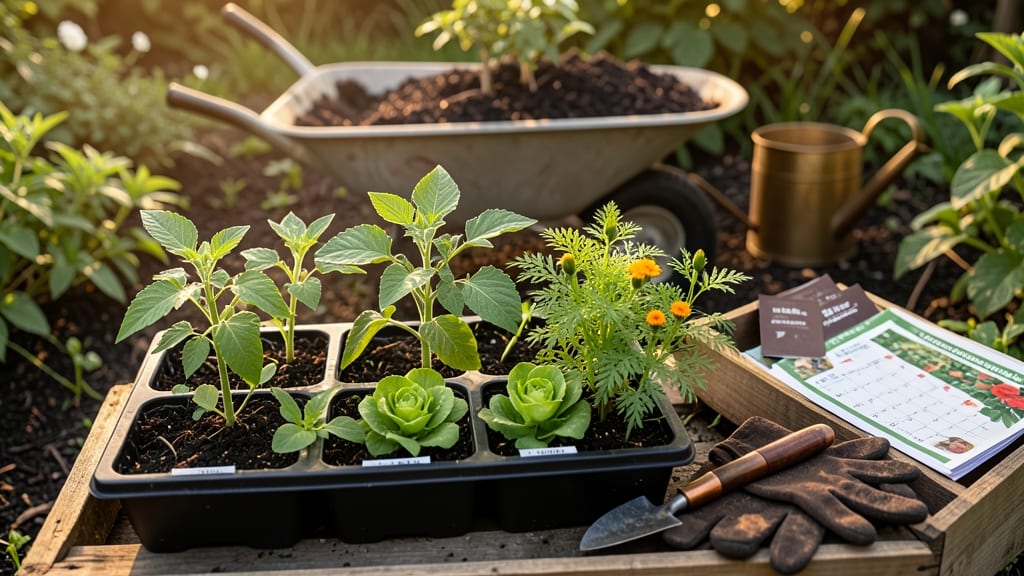
To plant a garden in Kentucky, aim for mid-March through May for spring crops and August to early September for fall planting, aligning with the state’s 6a-7a frost-free windows.
Kentucky’s unpredictable frost dates can turn a gardener’s excitement into stress—plant too early, and your seedlings become ice cubes; too late, and you miss peak harvests. But with the right timing, you can grow a thriving General Garden 🌱 from the Bluegrass to the Cumberland Plateau.
Cool-season crops like spinach and broccoli thrive when planted 4-6 weeks before the last frost, while warm-season favorites such as tomatoes and peppers need soil temperatures above 50°F—a rule that shifts slightly between Louisville’s urban heat and the cooler Appalachian foothills.
Below, I break down the exact frost dates by region, how to adjust for microclimates, and the month-by-month schedule that maximizes your harvest—no guesswork, just results.
Kentucky’s frost dates by region: when to plant cool-season vs warm-season crops
Kentucky’s diverse climate—spanning USDA zones 5a-7a—means frost dates vary dramatically from the Bluegrass Region to the Cumberland Plateau. In Northern Kentucky, gardeners often see the last spring frost around April 15th, while Southern Kentucky can wait until April 30th.
These differences matter because cool-season crops like spinach and broccoli need early planting, while warm-season crops like tomatoes and peppers require soil temperatures above 60°F (15°C). Understanding your region’s frost dates ensures you avoid frost damage or missed harvests.
For most of Kentucky, the first fall frost arrives between October 15th and November 1st, depending on elevation and microclimates. This means warm-season crops planted too late may not mature before cold snaps, while cool-season crops like kale and carrots can thrive with proper timing.
The key is aligning your planting schedule with your specific last frost date, which I’ll break down by region below.
Here’s how Kentucky’s major regions compare for average last frost dates and planting windows. Use this as your guide to decide when to sow seeds or transplant seedlings for the best results.
If you’re planting cool-season crops like spinach, lettuce, or broccoli, start seeds indoors 6–8 weeks before your last frost date. For example, in Louisville (Zone 6b), that means sowing seeds by March 1st for a mid-April transplant.
These crops thrive in cooler temperatures (50–75°F) and can even handle light frosts, making early planting ideal.
For warm-season crops like tomatoes, peppers, and cucumbers, wait until the soil temperature reaches at least 60°F (15°C). In Northern Kentucky (Zone 6a), this usually happens by mid-April, but in Southern Kentucky (Zone 7a), you might wait until early May.
Use a soil thermometer to confirm—planting too early can stunt growth or invite disease.
Pro tip: Succession planting is your best friend in Kentucky’s short growing season. For example, sow radishes (25 days to harvest) every 2 weeks from March to August to ensure a continuous supply.
Similarly, bush beans can be planted in two batches: one in early May and another in late June for a fall harvest before the first frost.
Don’t forget about fall planting! Many cool-season crops can be sown in late summer (August–September) for a harvest before winter. Kale, carrots, and spinach are excellent choices—they’ll sweeten up after a light frost, and you’ll avoid the heat stress of summer planting.
Just aim to harvest before the first hard frost, which in Lexington typically hits by October 20th.
For gardeners in higher elevations (e.g., Appalachian foothills), frost dates can arrive 1–2 weeks earlier than in the Bluegrass. Monitor local weather forecasts or use the Kentucky Mesonet for real-time updates.
If you’re unsure, err on the side of caution: hardened seedlings can handle a light frost, but tender plants like eggplants will bolt if exposed to cold.
Finally, consider microclimates in your yard. South-facing slopes warm up faster in spring, while low-lying areas may hold frost longer. Use these microclimates to your advantage—plant w
Best planting calendar for Kentucky gardens: month-by-month crop scheduling
Kentucky’s 165 frost-free days create a perfect window for growing everything from heirloom tomatoes to perennial herbs. But timing is everything—plant cool-season crops too late, and they bolt; plant warm-season favorites too early, and frost will kill them.
Let’s break down the best month-by-month schedule for Kentucky’s USDA zones 6a-7a, including adjustments for early starts and fall extensions.
Start with early spring prep in February-March by sowing cold-hardy seeds like peas and spinach indoors or under row covers. By mid-April, when average last frost dates arrive, you can transplant broccoli, cabbage, and lettuce directly into well-draining soil.
For warm-season crops, wait until mid-May when soil temperatures hit 60°F+ for tomatoes, peppers, and cucumbers.
| Month | Planting Tasks | Best Crops | Soil Temp |
|---|---|---|---|
| February | Start seeds indoors, plan beds | Onions, peas, spinach | 40-50°F |
| March | Direct sow hardy crops | Lettuce, radishes, carrots | 45-55°F |
| April | Transplant broccoli, cabbage | Kale, Swiss chard, herbs | 50-60°F |
| May | Plant warm-season crops | Tomatoes, peppers, beans | 60°F+ |
| August | Direct sow fall crops | Spinach, turnips, lettuce | 55-65°F |
| September | Transplant broccoli, kale | Radishes, arugula, garlic | 50°F+ |
Don’t forget succession planting! For continuous harvests, sow lettuce and radishes every 2-3 weeks from April through August. Herbs like basil and cilantro thrive with monthly replanting—cilantro bolts in heat, while basil grows best in summer’s long days.
For late fall, plant garlic and onions in October for next year’s harvest.
Extend your season with row covers or cold frames to protect cool-season crops until mid-October’s first frost. Hardy greens like kale and Swiss chard often survive light frosts, while spinach and peas can be planted as late as September 15th in most of Kentucky.
Use the Kentucky Mesonet for real-time frost alerts to adjust your schedule.
Pro tip: Mulch heavily in late summer to insulate soil and keep roots warm for fall-planted crops. A 3-inch layer of straw can delay frost damage by 2-3 weeks, giving you extra time for harvesting or overwintering crops like leeks and carrots.
With this schedule, you’ll maximize Kentucky’s growing potential—from early spring peas to late fall kale, your garden can produce year-round with smart planning. Happy planting! 🌱