Planting
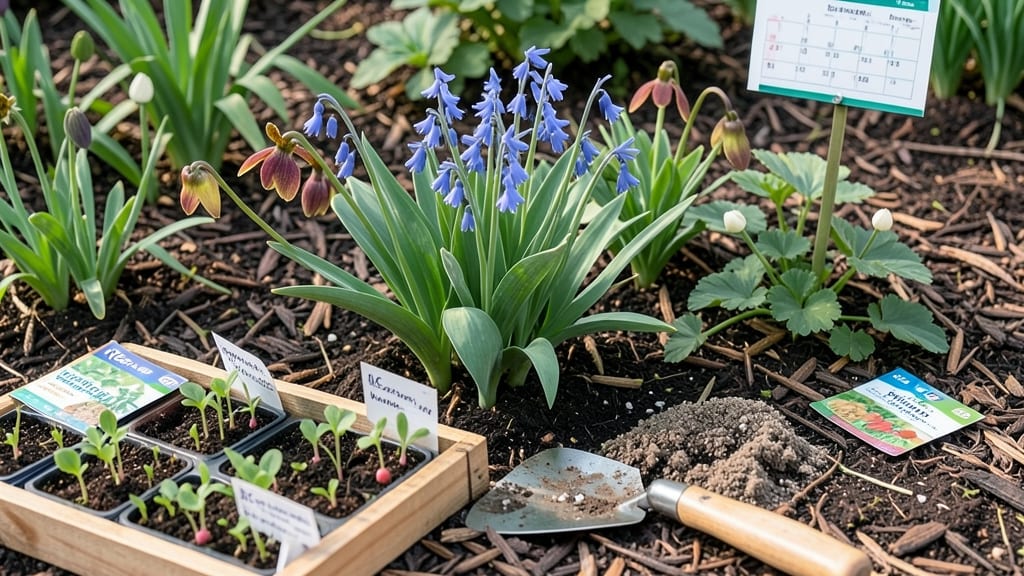
Planting a garden in North Carolina at the right time means the difference between a bountiful harvest and wilted seedlings.
North Carolina’s diverse climate means your garden’s success hinges on timing—plant too early and risk frost damage, too late and miss peak harvests. Here’s your county-by-county guide to last frost dates, optimized for zero-risk planting.
Cool-season crops like spinach and peas thrive when planted 4–6 weeks before the last frost, while tomatoes and peppers need the soil to warm up after that date. With USDA zones 6b–8a, your exact timing depends on whether you’re in the mountains, Piedmont, or coastal plains.
Below, I break down the critical planting windows by region, plus tips for extending your season with row covers and succession planting—so you can grow more without guessing.
NC last frost dates by region: critical planting windows for vegetables & flowers
North Carolina’s last frost dates vary dramatically from the Coastal Plain to the Mountains, creating a 3-4 week window difference for planting. Understanding your USDA Zone (6b-8a) and local microclimates is key to avoiding frost damage while maximizing your garden’s potential.
For example, Asheville in the Mountains typically sees its last frost around April 15, while Wilmington on the Coast often warms up by March 15—a critical difference for heat-loving crops like tomatoes and peppers.
To simplify planning, I’ve categorized NC into three key regions: Coastal, Piedmont, and Mountains, each with distinct frost timelines. Cool-season crops like lettuce and peas should be sown 4-6 weeks before your last frost, while warm-season crops like cucumbers and basil need to wait 2-3 weeks after frost risk has passed.
Below, you’ll find a regional breakdown with planting windows tailored to your area.
Pro Tip: Use NC State Extension’s Frost Date Calculator for your specific county, as urban areas (like Raleigh) can be 1-2°F warmer than rural zones. For instance, Charlotte’s last frost often arrives a week earlier than surrounding Mecklenburg County farms due to the urban heat island effect.
| Region | Last Frost Date | First Frost Date | Plant Warm-Season Crops After | Example Counties | Heat-Tolerant Crops | Frost-Sensitive Flowers |
|---|---|---|---|---|---|---|
| Coastal Plain | March 1-15 | November 15-30 | March 15-30 | Craven, Onslow, Dare | Okra, Sweet Potatoes, Peppers | Petunias, Marigolds, Zinnias |
| Piedmont | March 15-30 | November 1-15 | March 30-April 15 | Wake, Guilford, Forsyth | Tomatoes, Eggplant, Corn | Geraniums, Impatiens, Snapdragons |
| Mountains | April 15-30 | October 15-November 1 | April 30-May 15 | Haywood, Buncombe, Mitchell | Peppers, Basil, Cucumbers | Cosmos, Black-Eyed Susans, Dahlias |
*Frost dates are averages; check local weather patterns for adjustments.
In the Coastal Plain, where last frosts average March 1-15, you can start planting warm-season vegetables like tomatoes and squash as early as March 15.
However, coastal areas like Wrightsville Beach may experience late-spring frosts due to ocean breezes, so monitor forecasts or use row covers for added protection. Peppers, which need consistent warmth, should wait until April 1 in this region.
For Piedmont gardeners, the March 15-30 last frost window means you can sow fast-growing crops like radishes and spinach in early February for a spring harvest. Corn, a heat-loving staple, should only go into the ground after April 15 to avoid stunted growth.
Urban Piedmont areas (e.g., Raleigh-Durham) often have earlier last frosts than rural zones, so adjust accordingly.
The Mountains present the biggest challenge, with last frosts lingering until April 15-30. This region’s shorter growing season favors cool-season crops like kale and carrots, which thrive in the mild summers. Tom
How to adjust planting dates for NC’s microclimates & frost quirks
North Carolina’s mountain valleys can freeze weeks after the coastal plains thaw, while Piedmont areas often experience unpredictable late-spring frosts. These microclimate quirks mean standard frost dates won’t cut it—you need a tailored approach.
I’ve gardened in Asheville’s chilly highlands and Wilmington’s mild coastal zone, so I know firsthand how critical local adjustments are.
Start by identifying your USDA Hardiness Zone (NC ranges from 6b to 8a), but don’t stop there. Mountain gardeners in Haywood County might face frost until May 15, while coastal Dare County gardeners can plant tomatoes in March.
The key? Soil temperature matters more than air temperature—use a soil thermometer to confirm 50°F for cool crops and 60°F for warm-season plants.
- ✅ Use black plastic mulch to warm soil 5-10°F faster in highland areas like Buncombe County.
- ✅ Plant frost-tolerant crops (kale, peas) 4-6 weeks before your average last frost date.
- ✅ Extend fall seasons with row covers—coastal gardeners in Carteret County can harvest until December!
- ✅ Avoid low-lying areas—cold air sinks, so hillside gardens stay 3-5°F warmer at night.
- ✅ Companion plant onions with lettuce—onions repel pests and warm soil faster.
For high-risk counties like Mitchell or Avery, where late frosts are common, I recommend a two-phase planting strategy. Start hardy greens (spinach, radishes) in early March, then wait until mid-May for tomatoes and peppers. Use frost cloth for 30-45 days after transplanting to protect tender seedlings.
Don’t forget fall planting! Coastal areas can grow broccoli and carrots until October 15, while Piedmont gardeners should aim for September 1. Test your soil’s pH and fertility—amending with compost boosts cold tolerance. I’ve seen collard greens survive 28°F in amended soil!
Create a personalized frost calendar by tracking local data for 3 years. Note when azaleas bloom (a frost predictor)—if they flower late, delay planting. For high-altitude gardens, consider container gardening near south-facing walls to trap heat.
Even in Asheville’s Zone 7b, I’ve grown peppers in black pots to extend the season by 2 weeks.
When in doubt, consult your local NC State Extension office—they provide county-specific frost data and host master gardener workshops on microclimate strategies. With these adjustments, you’ll beat frost risks and enjoy longer harvests—no matter where you garden in NC. 🌿