
Planting
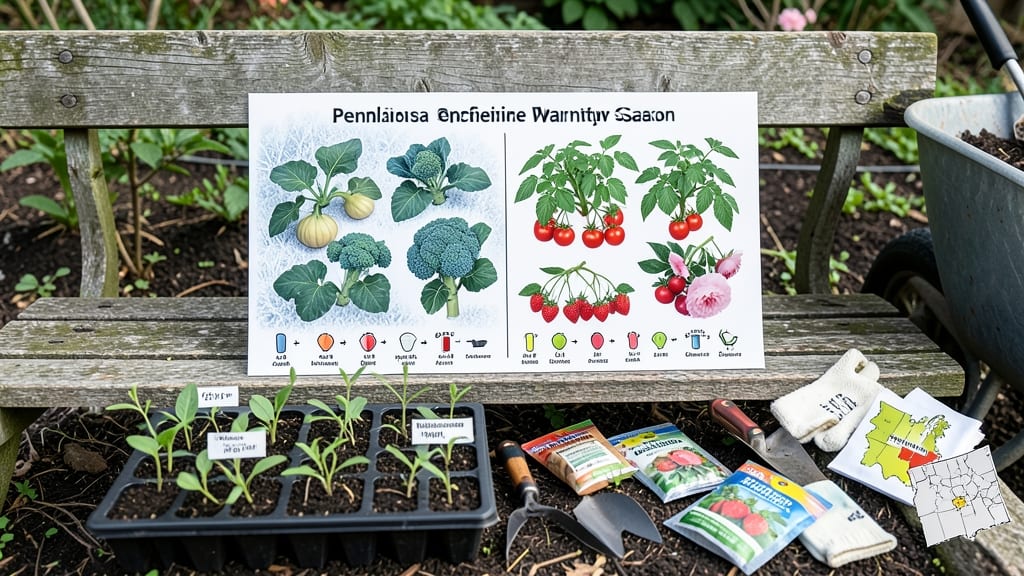
Planting a garden in Pennsylvania at the right time means the difference between a bumper crop and a sad, frost-nipped failure — and with USDA Zone 6b’s wild swings, getting the timing wrong is easy.
Pennsylvania gardeners know timing is everything—plant too early and frost will ruin your hard work, but wait too long and you’ll miss peak harvests. With unpredictable springs, knowing the exact deadlines for frost-free planting could mean the difference between a thriving garden and a failed season.
Most vegetables need the soil to warm to at least 50°F before they’ll thrive, but that doesn’t mean you should wait until Memorial Day. Early spring crops like peas and spinach can handle cooler temps, while tomatoes and peppers need the heat of late May or June.
In this guide, I’ll break down the best planting windows for your region, how to protect tender seedlings from late frosts, and the one trick that lets you extend your growing season by weeks—no matter where in Pennsylvania you live.
Pennsylvania’s last frost dates by region: USDA Zone 6b planting windows
Pennsylvania’s USDA Zone 6b spans from the Poconos Mountains to the Allegheny Plateau, creating dramatic microclimate variations that can shift your last frost date by weeks.
While the state’s average last frost typically falls between April 15 and May 15, mountain regions like Erie or Lackawanna County often wait until May 10-20, while valleys like Lancaster or Berks County may see frost-free conditions as early as April 20.
These differences mean your tomato seedlings might thrive in one yard but freeze in another just miles away.
To avoid frost damage, I always check the Penn State Extension’s frost maps and adjust my schedule based on elevation. A 1,000-foot climb can add 3–5 days to your frost date—critical for warm-season crops like peppers or cucumbers.
Even within cities, urban heat islands can create 5–10°F warmer microclimates, allowing earlier planting of heat-loving herbs like basil or oregano.
Here’s how to use these regional deadlines to plan your garden. The table below breaks down last frost dates by region, along with recommended planting windows for key crops.
For example, cool-season veggies like spinach or kale can go in as early as March 15 in valleys, while warm-season staples like tomatoes should wait until after May 1 in mountain areas.
| Region | Avg. Last Frost | Safe Planting Window | Key Crops for Early Planting | Notes |
|---|---|---|---|---|
| Southwest (Allegheny Plateau) | April 25–May 5 | May 10–20 (warm crops) | Peppers, Eggplant, Basil | Warmer microclimates; use black plastic mulch for soil warmth. |
| Southeast (Lancaster/Reading) | April 20–May 1 | April 25–May 10 | Tomatoes, Cucumbers, Zucchini | Urban heat islands; monitor nighttime temps. |
| Central (Harrisburg/State College) | April 28–May 8 | May 5–15 | Peas, Lettuce, Carrots | Moderate elevation; start seeds indoors 4–6 weeks early. |
| Northeast (Poconos/Erie) | May 5–15 | May 20–June 1 | Potatoes, Onions, Kale | Higher elevation; use row covers for early crops. |
| Northwest (Pittsburgh/Johnstown) | April 30–May 10 | May 15–25 | Broccoli, Cabbage, Radishes | Cooler nights; opt for cold-hardy varieties. |
*Dates based on 30-year averages; verify with local weather stations.
For flowers and herbs, timing matters just as much. Annuals like marigolds or basil can handle light frosts but will bolt if planted too early.
I’ve found that May 1 is a safer bet for these in most of Zone 6b, while perennials like lavender or rosemary can tolerate earlier planting if protected with mulch. Always check the seed packet’s recommended soil temperature—most herbs need 60°F+ to sprout reliably.
Pro tip: Use a soil thermometer to confirm readiness. Peppers and eggplants need soil at 70°F+, while beans and squash thrive at 60–65°F. In cooler regions, I’ve had success with black plastic mulch or straw bales to warm the soil by 5–10°F
How to extend your Pennsylvania growing season: cold-hardy crops and frost protection
In USDA Zone 6b, where spring can be as unpredictable as a rollercoaster, extending your growing season is key to maximizing harvests. By leveraging cold-hardy crops and smart frost protection, you can enjoy fresh produce weeks—or even months—longer than traditional planting schedules allow.
The secret? Start with plants that thrive in cooler temperatures and use tools like row covers and cloches to shield delicate seedlings from late frosts.
One of my favorite strategies is planting cool-season vegetables like spinach, peas, and broccoli as early as late March or early April. These crops not only tolerate frost but often taste sweeter after a light freeze.
Pair them with protective measures, and you’ll be harvesting long before your neighbors even get their seeds in the ground. The goal is to push the limits of your garden’s potential without risking frost damage to your hard work.
-
🌱 Cold-Hardy Crops to Plant Early:
- Spinach (tolerates 20°F)
- Peas (germinates at 40°F)
- Broccoli (survives 25°F)
- Kale (thrives in 30°F)
- Lettuce (grows at 45°F)
-
🛡️ Frost Protection Tools:
- Row covers (extend season by 4-6 weeks)
- Cloches (protect individual plants from 28°F)
- Black plastic mulch (warms soil by 5-10°F)
- Cold frames (extend harvest into fall/winter)
-
🌡️ Soil Warming Hacks:
- Use clear plastic tunnels over beds
- Plant near south-facing walls for heat absorption
- Apply compost or manure 2-3 weeks before planting
- Try electric soil warmers for stubborn cold spots
Don’t overlook the power of soil warming techniques, either. I’ve found that covering garden beds with clear plastic for a week before planting can raise soil temperatures by 10°F or more, giving heat-loving crops like tomatoes and peppers a head start.
Pair this with black plastic mulch after planting, and you’ll create a microclimate that mimics a longer growing season. This is especially useful for late-summer crops like bush beans or carrots that need warm soil to germinate.
Another pro tip? Use row covers to protect your garden from unexpected late frosts. These lightweight fabrics allow sunlight and water to pass through while shielding plants from temperatures as low as 25°F.
I’ve used them to extend my fall harvests well into November, giving me fresh greens when many gardeners are already packing up for the winter. Just remember to remove them during the day in warm weather to prevent overheating.
For fall planting, focus on crops that mature quickly, like radishes or arugula, and use cloches or cold frames to create a sheltered environment. These structures trap heat during the day and release it slowly at night, keeping roots insulated.
With the right setup, you can enjoy fresh salads straight from your garden even when snow is on the ground. It’s all about working with your climate, not against it!
Start small if you’re new to extending your season—perhaps with a single cold frame or a few rows of frost-tolerant greens. As you gain confidence, experiment with more advanced techniques like season extension tunnels or hoop houses.
The key is to observe your garden’s unique microclimate and adjust your strategies accordingly. With patience and the right tools, you’ll be harvesting well beyond the traditional growing season in no time!