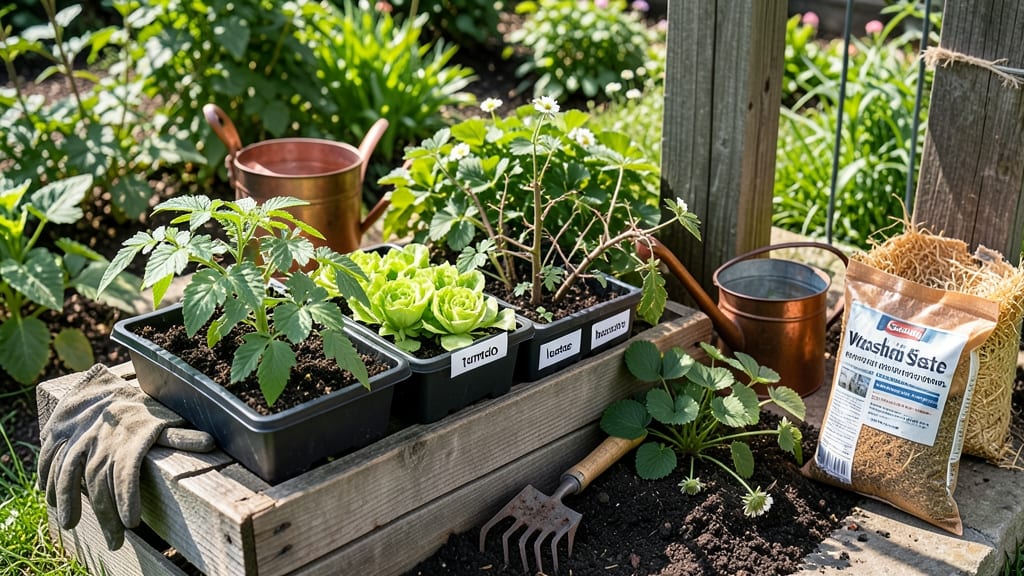
Planting a garden in Washington State at the right time means avoiding frost in the valleys and heat stress in the desert — timing is everything, and a week can make the difference between a bountiful harvest and a sad, wilted mess.
Washington State’s diverse climate—from coastal rainforests to high-desert plateaus—means your garden’s success hinges on planting at the perfect time. Get it wrong, and frost or heat can ruin your crops before they even sprout.
Whether you’re in the Puget Sound or the Columbia Basin, knowing when to start seeds indoors or transplant seedlings outdoors is the key to a thriving 🌱 garden.
I’ll break down the exact windows for cool-season crops like lettuce and warm-season favorites like tomatoes, plus how to adjust for microclimates.
You’ll also discover how to extend your growing season with row covers, when to plant zero-frost-risk crops like okra, and why checking NOAA frost warnings could save your summer harvest from a late spring chill.
🌱When to Plant Garden
Jan❄️
Feb❄️
Mar🌱
Apr🌱
May🌱
Jun🌱
Jul☀️
Aug☀️
Sep🍂
Oct🍂
Nov🍂
Dec❄️
Ideal Time
Also Good
Washington State planting zones: when to start seeds vs. transplant crops by region
Washington State spans USDA Zones 7-9, but microclimates create dramatic differences in planting times. The Puget Sound (Zone 8) enjoys mild winters, while the Columbia Basin (Zone 7) faces earlier frosts. Mountains like the Cascades can drop into Zone 6, delaying your planting window by weeks.
Your first step is knowing your last-frost dates. In Western WA, expect frost by October 15-30, while Eastern WA sees frost as early as September 15. Coastal areas like Olympia have 100+ frost-free days, while Spokane averages just 140 days.
Cool-season crops like kale and peas thrive when soil reaches 40°F, often as early as March in coastal zones. Warm-season crops such as tomatoes and beans need soil at 60°F+, typically May-June in most regions. Start seeds indoors 6-8 weeks before your last frost for a head start.
Here’s a quick reference for seed-starting vs. transplanting by region, including key dates for cool-season and warm-season crops:
Region
USDA Zone
Last Frost (Avg.)
Cool-Season Start Seeds
Puget Sound (Seattle)
Zone 8
April 15-May 1
March 1 (indoors)
Western WA (Olympia)
Zone 8
April 10-April 20
February 28 (indoors)
Eastern WA (Spokane)
Zone 6-7
May 1-May 15
April 1 (indoors)
Columbia Basin (Yakima)
Zone 7
April 20-May 5
March 15 (indoors)
Mountains (Leavenworth)
Zone 5-6
May 15-June 1
April 15 (indoors)
Warm-Season Transplant
Warm-Season Direct Sow
Notes
May 15-June 15
May 1-June 1
Use row covers for early starts
May 1-May 15
April 20-May 10
Soil must be 60°F+
Zero-frost risk crops for Washington: fast-growing plants that thrive in late spring/early summer
After May 15, Washington’s last frost dates have passed in most regions, giving you the green light for heat-loving crops that thrive in summer’s warmth. These fast-growing plants can handle our dry spells and intense sun, making them perfect for late spring and early summer planting.
Whether you're in Zone 7 or Zone 9, these varieties will reward you with bountiful harvests.
For best results, focus on okra, sweet potatoes, and Malabar spinach, which tolerate Washington’s hotter inland temperatures and coastal humidity. Herbs like basil and cilantro also flourish, adding flavor to your summer dishes.
These plants need well-draining soil and consistent moisture to prevent stress during our dry summer months.
Okra: Plant after May 15 in full sun; harvest pods at 3-4 inches for tender texture.
Sweet Potatoes: Start slips in early June; choose orange-fleshed varieties for best yields.
Malabar Spinach: Thrives in partial shade; harvest leaves as needed for continuous growth.
Basil: Sow seeds after last frost; pinch back tips to encourage bushier growth.
Cilantro: Plant in late spring for heat-tolerant varieties like 'Santo'.
Soil Prep: Amend with compost and sand for drainage in heavy clay soils.
Watering Tip: Use drip irrigation to keep roots consistently moist without waste.
Before planting, test your soil pH—most of these crops prefer a slightly acidic to neutral range (6.0-7.0). If your soil is too alkaline, mix in peat moss or sulfur to adjust. For container gardening, use a lightweight potting mix with added perlite to prevent compaction.
Mulch heavily after planting to retain moisture and suppress weeds. Straw or wood chips work well, but avoid fresh grass clippings, which can mat down and smother roots. In high-desert areas, mulch also helps regulate soil temperature during extreme heat.
Monitor for pests like squash bugs and aphids, which target heat-loving crops. Use neem oil or insecticidal soap as a preventative spray every 10-14 days. For organic control, introduce beneficial nematodes to the soil before planting.
Harvest regularly to encourage new growth. Okra and sweet potatoes produce best when picked young, while basil and cilantro can be snipped repeatedly for a steady supply. With these zero-frost-risk crops, you’ll enjoy fresh, homegrown food all summer long! 🌱🌿