
Planting
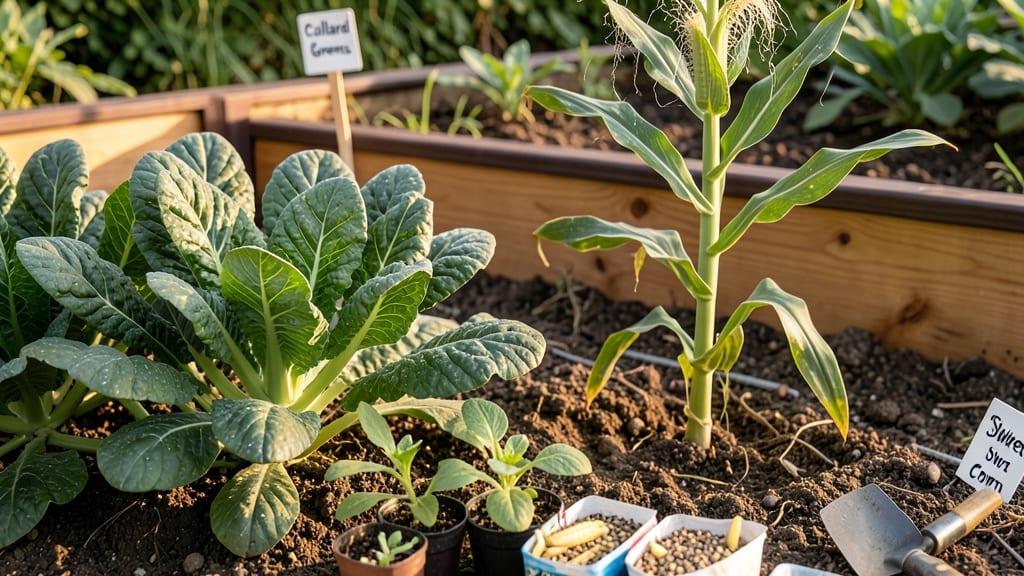
Planting a vegetable garden in Mississippi starts 2-3 weeks after your last spring frost — around mid-March for most of the state — when soil temperatures hit 60°F or warmer.
Mississippi’s long, hot summers and mild winters create a unique growing season—planting at the wrong time can mean wilted dreams instead of a thriving garden. Timing is everything when you want to grow heat-tolerant tomatoes or crisp cool-season lettuce in the Magnolia State.
Whether you’re sowing sweet potatoes in May or spinach in February, the key is matching your crops to Mississippi’s USDA Zone 8a climate. Too early, and frost zaps your seedlings; too late, and summer heat stunts growth.
Below, I break down the exact windows for warm-season and cool-season crops, plus soil prep tips to give your 🥬 vegetable garden the best start. No more guessing—just a foolproof schedule for your zone.
Mississippi planting zones: when to start heat-tolerant vegetables for maximum yield
Mississippi’s USDA zones 7a-8b offer gardeners a long growing season perfect for heat-loving vegetables like tomatoes and peppers. But timing is critical—plant too early, and frost will kill tender seedlings. Too late, and you’ll miss peak harvests before summer’s end.
Most of Mississippi falls in zones 7b-8a, with southern regions reaching zone 8b. This means your last frost typically arrives between mid-March and early April, while first frosts hit mid-November to December. Heat-tolerant crops thrive when soil temps stay above 60°F.
Here’s your zone-specific calendar for starting heat-loving vegetables like tomatoes, peppers, and okra. Direct sowing and transplanting dates vary by crop and region—don’t miss these windows!
🌱 Key Tip: Use row covers for early starts in zone 7a to protect seedlings from late frosts. In zone 8b, you can extend planting into late summer for fall harvests.
For tomatoes and peppers, start seeds indoors 6-8 weeks before your last frost date. In zone 7a, that means mid-February—but in zone 8b, you can begin as late as early March.
Direct sowing works best for okra and sweet potatoes, which thrive in hot soil. Wait until soil temps hit 70°F+—usually late April to May—to avoid stunted growth. Use a soil thermometer to confirm readiness.
🌿 Pro Tip: In zone 7a, use black plastic mulch to warm soil faster. This lets you plant tomatoes two weeks earlier without frost risk.
Extend your harvest by planting successive crops every 2-3 weeks after your initial planting. For example, sow bush beans in early May, then again in mid-June for a fall crop before frost.
Mississippi’s humidity can stress heat-tolerant plants, so mulch heavily with straw or pine needles to retain moisture. Water deeply in the morning to prevent fungal diseases like early blight on tomatoes.
🔥 Warning: Avoid planting cucumbers or squash before May 1—they wilt in 50°F soil. Wait until nighttime temps stay above 60°F consistently.
Cool-season vegetables in Mississippi: best times to plant for fall and winter harvests
Mississippi’s mild winters and extended growing season make it possible to enjoy fresh cool-season vegetables like broccoli, kale, and cabbage well into winter. Unlike northern states, you won’t face deep freezes, but timing is still critical to avoid early frost damage or bolting.
The key is planting at the right time—typically late summer to early fall—and using protective strategies to extend harvests.
For Mississippi gardeners (USDA zones 7a-8b), the last frost date usually falls around November 15, giving you a 4-6 week window before winter sets in. This means your fall planting should start 8-10 weeks before frost, ideally in August or early September.
But don’t wait too long—soil temperatures drop faster than you’d expect, and slow-growing crops like brussels sprouts need time to mature.
- 🌱 Late July-August: Start broccoli, cabbage, kale indoors or sow directly in well-drained soil with 6+ hours of sun. Use row covers for extra protection.
- 🌿 Early September: Transplant hardy greens (spinach, lettuce) and root crops (carrots, radishes) into prepared beds. Add compost for nutrient-rich soil.
- 🍂 Mid-September: Plant cold-hardy crops like collards, turnips, and beets. Use cold frames or low tunnels to extend harvests into December.
- 🌡️ October: Succession plant fast-growing crops (radishes, arugula) every 2-3 weeks for continuous harvests. Monitor frost forecasts and cover plants if needed.
- ❄️ November: Harvest mature crops before hard frosts (28°F). Use straw mulch to insulate soil and protect roots.
One of the biggest challenges in Mississippi’s climate is humidity and pests. Cool-season crops like kale and cabbage can suffer from cabbage worms or downy mildew if not monitored. I recommend using floating row covers to deter pests while allowing sunlight and water to pass through.
For extra insulation, cold frames can raise soil temperatures by 10-15°F, letting you grow crops like spinach even in January.
Don’t overlook succession planting—this technique ensures a steady supply of fresh produce. For example, sow radishes every 2 weeks from August to October; they mature in just 30 days and tolerate light frosts.
Pair them with slow-growing crops like broccoli (which takes 80-100 days to harvest) to maximize space and yield.
If you’re new to cool-season gardening in Mississippi, start small with easy-to-grow crops like lettuce or baby kale. These tolerate Mississippi’s mild winters better than delicate varieties and can be harvested young for tender leaves.
For a bold flavor, try collard greens—they actually sweeten after frost and thrive in Mississippi’s climate.
Remember, the goal isn’t just to plant but to extend your harvest window. With the right timing, protective gear, and a little patience, you can enjoy homegrown cool-season vegetables from October through March. Happy gardening! 🌱