
Planting
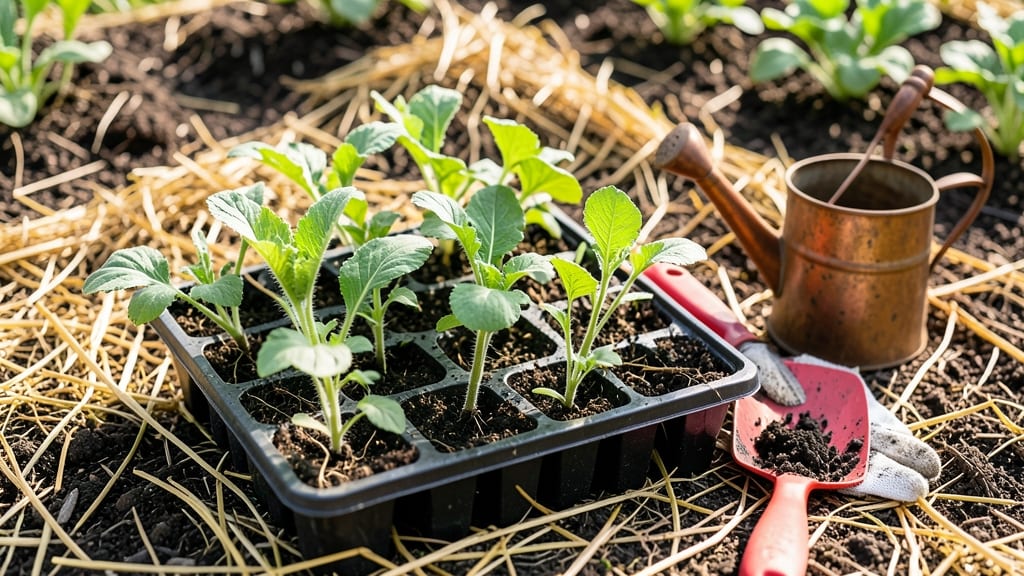
Planting a vegetable garden in North Carolina at the right time means the difference between a thriving harvest and a total loss to frost or heat.
North Carolina’s diverse climate means your vegetable garden’s success hinges on planting at the exact right time—miss it, and frost or heat can wipe out your hard work in days. But with the right frost-free deadlines by county, you can avoid costly mistakes and enjoy a bumper crop all season.
From the Coastal Plain’s milder winters to the Mountains’ later springs, each region has its own planting window. Whether you’re growing heat-loving tomatoes or cool-season greens, timing is everything. I’ll break down the best months for your area, plus how to extend your growing season for extra harvests.
Skip the guesswork and learn the precise planting schedule for your NC county—so you can start strong and keep your garden productive from spring through fall.
NC county-specific frost-free dates: the exact windows to plant for zero risk
North Carolina’s three distinct climate zones—Coastal Plain, Piedmont, and Mountains—create wildly different frost-free windows for planting. In Coastal Plain counties like Craven and New Hanover, you can start warm-season crops like tomatoes 2-3 weeks earlier than in the Mountains.
Meanwhile, Ashe and Haywood counties often face late spring frosts that can delay planting until mid-May. Understanding these county-specific frost dates is your first line of defense against failed gardens.
Your planting success depends on two critical dates: the average last spring frost and the average first fall frost.
For example, USDA Zone 8b (Coastal Plain) may have frost-free windows from March 15 to November 15, while Zone 7a (Mountains) might only see safe planting from April 15 to October 15.
These variations mean a 6-week difference in your growing season—time that can mean the difference between a bountiful harvest and a sad, wilted disappointment.
Below is your county-by-region breakdown of frost-free dates, tailored for cool-season crops (like broccoli and peas) and warm-season crops (like peppers and cucumbers). Use these as your planting deadlines to avoid frost damage and maximize yield.
| Region | County Examples | Last Spring Frost | First Fall Frost | Cool-Season Planting Window | Warm-Season Planting Window |
|---|---|---|---|---|---|
| Coastal Plain | Craven, New Hanover, Brunswick | March 1-15 | November 15-30 | February 1 - April 15 | March 15 - October 15 |
| Piedmont | Wake, Guilford, Forsyth | March 15-30 | October 30 - November 15 | February 15 - April 1 | April 15 - September 30 |
| Mountains | Ashe, Haywood, Mitchell | April 15-30 | October 1-15 | March 15 - May 1 | May 15 - September 15 |
*Dates vary by year; use local weather stations for real-time updates.
For cool-season crops like lettuce, spinach, and peas, plant 4-6 weeks before your last spring frost. In the Coastal Plain, this means sowing seeds by February 1, while Mountain gardeners should wait until mid-March.
These crops thrive in 50-65°F soil temperatures, so avoid planting until the ground warms enough to work without compacting.
Warm-season crops like tomatoes, peppers, and beans need soil temperatures above 60°F to germinate. In Zone 8b (Coastal Plain), this typically aligns with mid-March, but in Zone 7a (Mountains), you’ll need to wait until mid-May.
Use a soil thermometer to confirm—planting too early can stunt growth or invite disease.
Extend your growing season with row covers or cold frames. In the Mountains, where the first fall frost hits by October 1, you can protect tender crops like basil or squash until mid-November.
In the Coastal Plain, where frost lingers later, you might even squeeze in a second planting of warm-season crops in early September for a fall harvest.
Pro tip: Hardened-off transplants (like tomato starts) can tolerate slightly cooler soil than seeds. In Piedmont counties, this means you can plant tomatoes 2 weeks earlier than you would from seed.
Always check the back of seed packets for specific recommendations—some varieties (like ‘Early Girl’ tomatoes) are bred for faster growth and can handle cooler conditions.
If you’re in a transition zone (like the foothills between Piedmont and Mountains), err on the side of caution. Wait until May 1 for warm-season crops, as late frosts are common. Use frost cloth for the first 2 weeks to shield young plants from unexpected cold snaps.
Remember: Frost dates are averages, not guarantees. Monitor your local NOAA weather station or use apps like PlantNet to track real-time conditions. With these county-specific deadlines, you’ll plant with confidence and avoid the heartbreak of a frost-killed garden.
How to adjust planting times for NC’s microclimates (even within counties)
North Carolina’s microclimates can create wildly different growing conditions just miles apart—think cool mountain valleys next to sweltering Piedmont plains.
Even within a single county, your backyard might experience frost 2 weeks earlier than your neighbor’s. Adjusting planting times based on these nuances is the secret to avoiding wilted seedlings or bolting greens.
Urban gardens often face heat islands that push planting dates 1-2 weeks later than rural areas, while high-altitude zones like Asheville’s 3,000-foot elevations can delay spring planting by 3-4 weeks.
Low-lying areas near rivers or lakes may stay frost-free longer in fall, extending your harvest window. Understanding these variations lets you fine-tune your schedule for maximum success.
Start by using a soil thermometer to confirm when soil reaches 50°F for cool crops or 60°F+ for warm-season plants. In the Piedmont region, this might mean waiting until mid-April for peas, while Mountain counties like Haywood may need to hold off until late May.
For urban gardens, pavement and buildings can create microclimates 5-10°F warmer than surrounding areas—so plant heat-loving crops like okra or sweet potatoes 2 weeks later than rural guidelines suggest.
Extend your growing season with row covers or cold frames to protect early plantings. In low-lying Coastal Plain areas, these tools can push fall harvests into December, while Mountain gardeners might use them to start spinach or kale in early March.
Mulching with straw or wood chips (3-4 inches deep) helps regulate soil temperature—keeping it warmer in spring and cooler in summer. For high-altitude zones, add an extra layer of mulch to insulate roots from rapid temperature swings.
Pay attention to wind patterns too—open fields in the Coastal Plain may need windbreaks to protect young plants, while urban canyons can create drafty microclimates that dry out soil faster.
Adjust watering schedules accordingly: Mountain gardens might need morning watering only to prevent fungal issues, while low-lying areas may require drip irrigation to avoid runoff. Always monitor your specific microclimate for 1-2 weeks after planting to catch any surprises.
Remember, even within a county, a hilltop garden can have 10°F cooler nights than a valley below. Use these adjustments to sync your planting with your unique conditions, and you’ll enjoy longer harvests and healthier plants all season long. 🌱