
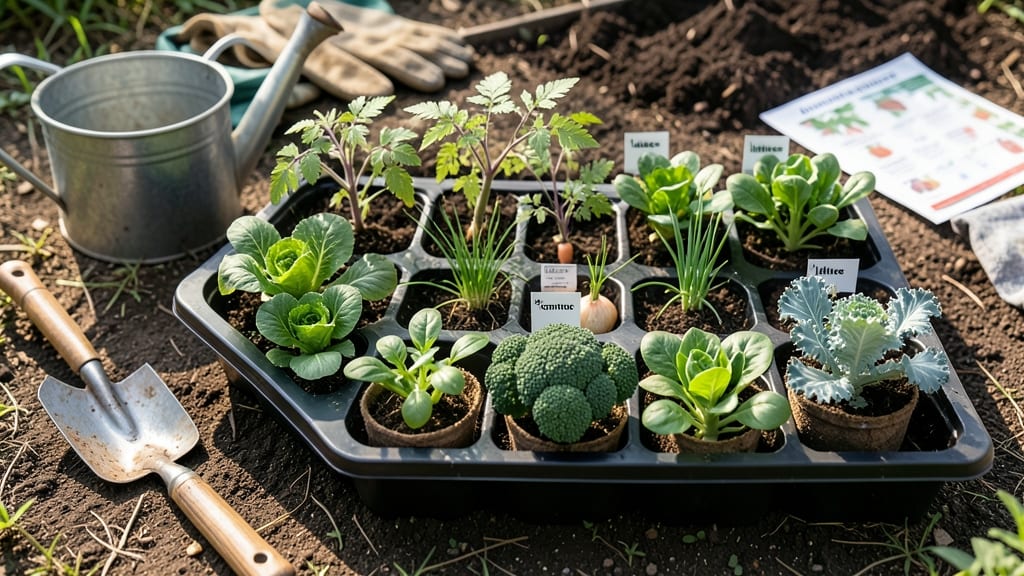
When to Plant a Vegetable Garden in Northern California: Frost-Free Window by Microclimate

Planting

When to Plant a Vegetable Garden in Northern California: Frost-Free Window by Microclimate

Planting a vegetable garden in Northern California at the right time means the difference between a thriving harvest and a sad, frost-nipped failure.

Northern California’s diverse microclimates—from coastal fog to inland heat—mean your 🥬 garden’s success hinges on timing. Miss the frost-free window, and your tomatoes could bolt or your lettuce freeze overnight. But get it right, and you’ll enjoy fresh produce from spring through fall.

Inland valleys like Sacramento hit 100°F by June, while coastal areas stay mild year-round. That’s why planting windows vary by 8a-9b zones, with late February to early April for cool-season crops and August to early September for fall harvests.

Below, I break down the exact frost dates by region, the best crops for each microclimate, and how to stretch your growing season with simple tricks like row covers and succession planting.

🥬 When to Plant General Vegetable Garden Vegetable Garden
Jan ❄️
Feb 🌱
Mar 🥬
Apr 🥬
May 🌱
Jun 🌱
Jul 🌱
Aug 🥬
Sep 🥬
Oct 🌱
Nov 🍂
Dec ❄️
Ideal Time
Also Good

Northern California’s frost-free planting zones by region (coastal vs. valley vs. foothills)

Northern California’s microclimates create a gardener’s paradise—but also a challenge. While the Sacramento Valley bakes in summer, the Redwood Coast lingers in fog, and the Sierra Foothills experience dramatic temperature swings. Understanding your USDA zone and last frost dates is critical to avoid frost damage or wasted effort.

For example, planting tomatoes too early in the Bay Area risks frost kill, while waiting too long in the Central Valley means shorter harvests before fall chill sets in.

Each region has its own frost-free window, defined by the average last spring frost and first fall frost. Coastal areas like San Francisco and Santa Cruz enjoy longer growing seasons, while inland valleys like Sacramento and Stockton have earlier last frosts but hotter summers.

The Sierra Foothills, like Chico and Redding, face earlier frosts and cooler nights, limiting heat-loving crops like peppers and eggplants.

Below is your region-by-region guide to planting windows, including USDA zones, last frost dates, and ideal planting times for both cool-season and warm-season crops. Use this to time your seed starting and transplanting for maximum success.

🌱

Best vegetables to plant in each Northern California microclimate (cool-season vs. warm-season crops)

Northern California’s microclimates create a gardener’s paradise—but only if you match your crops to the right zone. The coastal fog belt thrives with cool-season crops like kale and broccoli, while the Central Valley’s heat demands warm-season powerhouses such as tomatoes and peppers.

Even within 50 miles, your planting calendar can shift by 4-6 weeks!

Let’s break it down by region. Coastal areas (USDA Zones 8b-9a) have longer growing seasons but cooler summers, making them ideal for leafy greens and brassicas. Meanwhile, inland valleys (Zones 8a-9b) pack more heat, perfect for squash, corn, and eggplants.

The key? Plant cool-season crops 4-6 weeks before last frost and warm-season crops 2-3 weeks after.

Comparison Table: Best Vegetables by Northern California Microclimate

For coastal gardens, prioritize hardy greens like kale and peas, which tolerate fog and cooler temps. Plant them in late winter (February-March) for spring harvests.

In the Central Valley, warm-season crops like corn and squash thrive in the heat, but start seeds indoors in April to avoid transplant shock.

Pro tip: Use succession planting for leafy greens like lettuce. Sow seeds every 2-3 weeks from February to September to ensure a continuous harvest. For tomatoes and peppers, wait until soil temps hit 60°F+—usually mid-May in inland areas and early June on the coast.

Don’t forget companion planting! Basil near tomatoes boosts flavor and deters pests, while marigolds planted alongside vegetables repel nematodes. In cooler microclimates, add row covers to extend the season for warm-season crops like peppers.

With these region-specific strategies, you’ll turn Northern California’s diverse climates into a year-round harvest—no matter where you garden. 🌱

★★★★★4.7(9 reviews)
Categories Planting
Region USDA Zone Last Frost (Avg.) First Frost (Avg.) Spring Planting Window Fall Planting Window
San Francisco Bay Area 9b-10a March 15 December 1 Feb 15 - Apr 15 Aug 1 - Sep 15
Sacramento Valley 8a-9a February 1 November 15 Feb 1 - Mar 31 Jul 15 - Aug 31
Redwood Coast (Eureka) 9a-9b March 1 November 30 Feb 1 - Apr 1 Aug 15 - Sep 30
Santa Cruz Mountains 9b-10a March 10 December 15 Feb 20 - Apr 10 Aug 10 - Sep 20
Napa/Sonoma Valleys 9a-9b February 28 November 10 Feb 15 - Apr 1 Aug 1 - Sep 10
Chico (Sierra Foothills) 7b-8a January 31 October 31 Mar 15 - Apr 30 Jul 1 - Aug 15
Stockton/Lodi 9a-9b February 15 November 5 Feb 1 - Mar 31 Jul 20 - Aug 20
Redding 7b-8a January 20 October 15 Mar 1 - Apr 15 Jul 1 - Aug 10
Microclimate Cool-Season Crops (Plant Feb-Apr) Warm-Season Crops (Plant May-Jun) Companion Plant
Coastal (SF Bay, Redwood Coast) Kale, Peas, Broccoli, Lettuce, Spinach Tomatoes, Peppers, Basil, Zucchini Plant basil with tomatoes; avoid fennel near carrots
Central Valley (Sacramento, Stockton) Cabbage, Radishes, Swiss Chard, Onions Corn, Eggplant, Okra, Cucumbers Interplant corn with beans; marigolds deter pests
Foothills (Napa, Sonoma) Arugula, Spinach, Brussels Sprouts Peppers, Tomatoes, Melons, Green Beans Pair peppers with basil; carrots with onions