
Planting
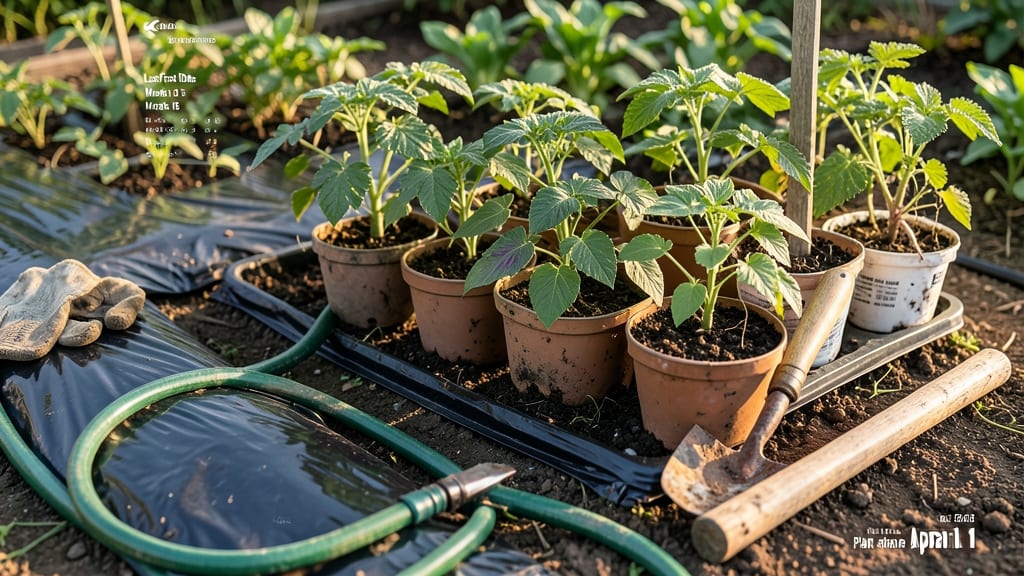
Planting a vegetable garden in Oklahoma at the right time means the difference between a bountiful harvest and a wasted season—and the clock starts ticking with your last frost date.
Oklahoma’s unpredictable weather can make or break your vegetable garden 🥕—plant too early and risk frost damage, too late and miss peak harvests. But with the right timing, you can grow thriving zero-frost-risk crops like tomatoes, peppers, and squash year after year.
Most Oklahoma gardeners in USDA Zones 6b-8a should aim for late February through early April for spring planting, with a second window opening in late July to early September for fall crops.
The key is waiting until soil temperatures hit 60°F for warm-season vegetables, while cool-season greens can handle earlier starts.
Below, I’ll break down the exact frost-free windows by region, how to adjust for urban microclimates, and the three biggest mistakes that derail Oklahoma gardens—so you can time your planting like a pro.
Oklahoma’s planting timeline by USDA Zone 7a-b: frost-free dates & heat-tolerant crops
Oklahoma’s USDA Zone 7a-B offers a 165-220 frost-free days, creating a perfect window for growing heat-tolerant vegetables like tomatoes, peppers, and okra. The average last frost date is March 15, but urban areas often warm up 1-2 weeks earlier than rural zones due to the "urban heat island" effect.
Rural gardens may experience late frosts until mid-April, so always check local microclimate patterns before planting.
For zero-frost-risk crops, focus on late spring and summer plantings after soil temperatures consistently reach 60°F or higher. These crops thrive in Oklahoma’s hot summers and can be planted as late as July 15 for fall harvests.
Southern Oklahoma (Zone 7b) has a longer growing season by 2-3 weeks compared to northern areas (Zone 7a).
Key planting windows for Oklahoma’s Zone 7a-B:
- Cool-season crops: February 15 - March 31 (4-6 weeks before last frost)
- Warm-season crops: April 15 - May 15 (after last frost)
- Fall planting: July 1 - August 15 (for late-season harvests)
| Crop Type | Planting Window | Frost Risk | Soil Temp | Notes |
|---|---|---|---|---|
| Tomatoes | April 15 - May 15 | None | 60°F+ | Stake plants early |
| Peppers | April 1 - May 10 | None | 65°F+ | Slow to germinate |
| Sweet Potatoes | June 1 - July 15 | None | 70°F+ | Long harvest season |
| Okra | May 1 - June 15 | None | 75°F+ | Drought-tolerant |
| Southern Peas | April 15 - July 1 | None | 60°F+ | Heat-loving variety |
| Cucumbers | April 15 - June 1 | None | 60°F+ | Vining type |
| Lettuce (Fall) | July 15 - August 15 | Low (late frost) | 50°F+ | Heat-tolerant variety |
Urban gardens in Oklahoma City or Tulsa often experience earlier soil warming due to pavement and buildings absorbing heat. Test soil temperature with a soil thermometer before planting warm-season crops—wait until
How to extend your Oklahoma growing season: cold frames, row covers & succession planting
Oklahoma’s short growing season doesn’t mean you’re limited to summer harvests. With the right techniques, you can grow vegetables year-round—or at least push your planting windows earlier and later.
I’ve found that cold frames, row covers, and succession planting can add 4-6 weeks to your growing season, giving you fresh produce when others are stuck with store-bought options.
The key is understanding how to protect tender plants from late frosts and maximize space for continuous harvests. In my garden, cool-season crops like lettuce and spinach thrive under row covers in early spring, while warm-season crops like tomatoes and peppers get a head start indoors before transplanting.
Let’s break down the best strategies to extend your Oklahoma garden’s productivity.
- 🌱 Start cool-season crops indoors 4-6 weeks before your last frost date (March 15 in most of OK). Use seed trays with grow lights to ensure strong seedlings for early transplanting.
- 🛡️ Use row covers to protect seedlings from late spring frosts (common in April). These lightweight fabrics trap heat and can raise soil temps by 5-10°F, accelerating growth.
- 🏠 Build a cold frame for overwintering greens like kale and Swiss chard. A simple DIY frame with clear plastic or glass can extend harvests until December in mild winters.
- 🌿 Practice succession planting for fast-growing crops like radishes, lettuce, and bush beans. Sow new seeds every 2-3 weeks to ensure a steady supply all season.
- ☀️ Transplant warm-season crops after soil temps hit 60°F+ (usually mid-April in southern OK, early May in northern areas). Use black plastic mulch to warm soil faster.
- 🌶️ Extend fall harvests with low tunnels or hoop houses. These create a microclimate that can delay first frost by 3-4 weeks, letting you grow tomatoes and peppers longer.
- 📅 Plan for fall planting by sowing heat-tolerant varieties like malabar spinach or okra in July-August. These thrive in Oklahoma’s summer heat and can produce until frost.
One of my favorite low-tech tricks is using row covers to jumpstart spring planting. I’ve seen spinach and peas grow 3 weeks faster when protected from cold winds. Just remember to remove covers during pollination for crops like cucumbers and squash—bees need access to do their job!
For succession planting, I focus on short-day crops like lettuce and radishes. By planting new seeds every 10-14 days, I’ve maintained a continuous harvest from April through October. It’s also smart to interplant slow growers (like carrots) with fast growers (like radishes) to maximize space.
Don’t overlook cold frames for extending your season into fall and winter. A simple wooden frame with plexiglass can create a 10-15°F warmer environment inside. I’ve grown hardy greens like arugula and kale well into December this way—just be prepared to ventilate on warm days to prevent overheating.
With these techniques, you can grow more food year-round in Oklahoma’s challenging climate. The secret is starting early, protecting tender plants, and keeping the harvests coming through smart planning. Your garden will thank you with bountiful yields when others are still dreaming of summer tomatoes! 🌱