
Planting
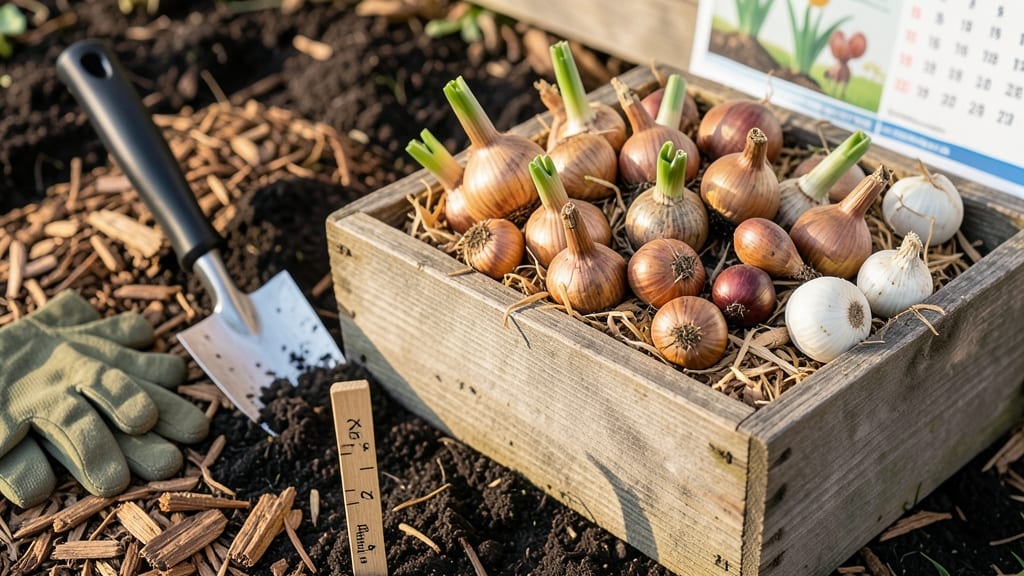
Planting bulbs in your garden at the right time ensures vibrant blooms next season—fall for hardy types like tulips and spring for tender varieties sets the stage for success.
Timing your bulb planting perfectly can mean the difference between a breathtaking spring display and a missed opportunity—don’t let frost catch you off guard! Whether you’re in USDA Zone 6a or another region, knowing your first frost date is the key to avoiding wasted bulbs.
Most gardeners focus on fall planting, but spring bulbs like hyacinths need early soil warmth to thrive. The trick? Adjust for your local climate—plant 6-8 weeks before frost in fall, or wait until soil temperatures hit 50°F in spring.
Below, I’ll break down exact planting windows by zone, bulb type, and even how to tweak timing for early or late frosts. You’ll leave here with a frost-date cheat sheet tailored to your garden.
Best planting times for garden bulbs by USDA hardiness Zone
Getting your garden bulbs in the ground at the right time ensures vibrant blooms next season. Since frost dates vary dramatically across the USDA hardiness zones, I’ve broken down the ideal planting windows for both spring-flowering and fall-planted varieties.
Whether you’re in Zone 3 or Zone 10, timing is everything!
Most bulbs, like tulips and daffodils, thrive when planted in fall—6 to 8 weeks before the first frost. This gives roots time to establish before winter dormancy.
Meanwhile, spring-planted bulbs (like calas and rain lilies) need to go in early spring before the soil warms. Let’s dive into the specifics for each zone.
In Zones 3-4, where winters are harsh, aim to plant fall bulbs by mid-October at the latest. The ground needs time to freeze before the bulbs go dormant. I’ve planted tulips in my Zone 4 garden by October 10 every year, and they’ve thrived with minimal care.
For Zones 5-6, you’ve got a bit more flexibility—planting through November works well. This is perfect for daffodils, which are deer-resistant and bloom early to beat pests. I always add a layer of compost before planting to give them a nutrient boost for next spring.
Warmer Zones 7-8 can plant later into December, but avoid planting too close to holiday festivities—you’ll forget! These zones are ideal for spring-planted bulbs like rain lilies, which love the milder winters. I’ve seen stunning displays in my Zone 7 garden when planted in early April.
In Zones 9-10, frost is rare, so focus on spring planting from May onward. Bulbs like calla lilies and bearded irises thrive here. I’ve even planted fall bulbs in January with great success—just keep them moist until roots establish.
Pro tip: Use a soil thermometer to check if the ground is below 60°F before planting in fall. If it’s too warm, wait a week or two. I always test my soil in late September to avoid planting too early.
Remember, bulb depth matters too! Plant them 2-3 times deeper than their height. For example, a 6-inch-tall tulip bulb should go 12-18 inches deep. This protects them from rodents and temperature fluctuations.
Don’t let frost dates stress you out—adjust based on your local microclimate. If you’re in a low-lying area, frost might hit earlier than official zone guidelines. I’ve learned the hard way to monitor my garden’s specific conditions! 🌱
How to adjust planting dates for early vs late frost years
Unpredictable frost patterns can throw off even the most experienced gardener's timing. If you've ever planted bulbs too early and watched them freeze or too late and missed the ideal window, you know how frustrating it can be.
The key to success lies in flexible planting strategies that account for early frost years and late frost years, not just relying on average frost dates.
Start by tracking your local frost-free date over the past 5 years. This gives you a clearer picture than the USDA zone averages. For example, in Zone 6a, the average last frost is April 15, but some years it arrives as early as March 20.
Adjusting your planting window by 2-3 weeks earlier or later can make all the difference for tulips or daffodils.
For early frost years, prioritize fall-planted bulbs like hyacinths or alliums, which can tolerate cooler soils. Use a soil thermometer to check when temperatures drop below 50°F—this is your cue to plant.
In late frost years, shift toward spring planting for tulips or lilies, but plant them as soon as the soil is workable (usually 4-6 weeks before your average last frost).
Another trick is to plant early-blooming bulbs like crocuses or snowdrops in late summer (August-September). These hardy varieties can often push through light frosts and reward you with earlier spring color.
Pair them with late-blooming tulips planted in October for a staggered display. Always mark your planting locations with biodegradable flags to avoid disturbing them in the spring.
Don’t forget about mulching—a 2-3 inch layer of straw or leaves after planting can insulate bulbs and extend your planting window by 1-2 weeks. In late frost years, you can even plant bulbs under row covers or cold frames to create a warmer microclimate.
Just remove the protection once blooms emerge to prevent overheating.
Finally, keep a gardening journal to note when you planted each variety and how they performed. Over time, you’ll spot patterns in your local climate that average frost dates simply can’t capture. With these adjustments, you’ll turn unpredictable frost into an advantage—not a setback!