
Planting
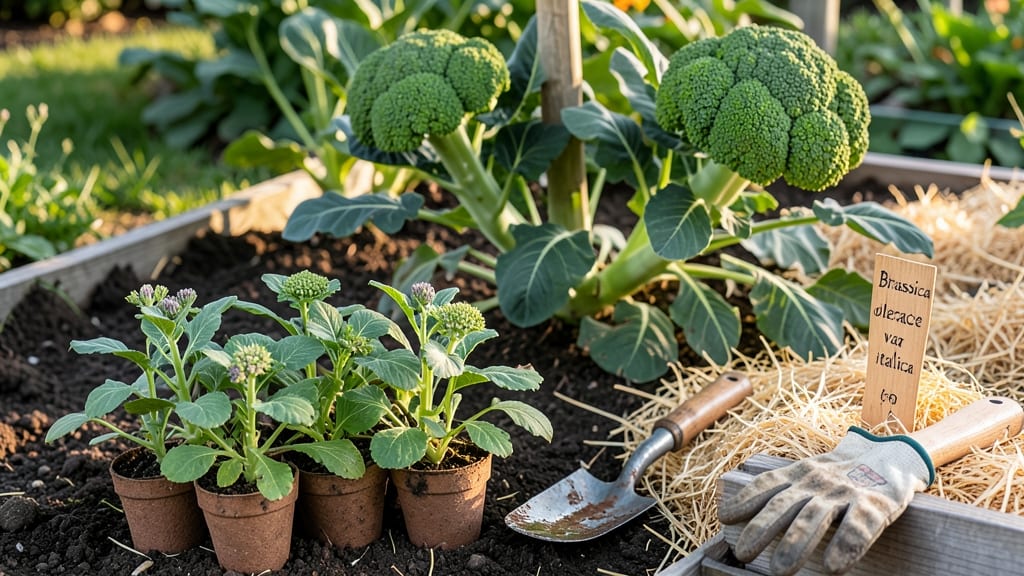
Planting a fall garden in North Texas between mid-August and mid-October sets you up for a harvest just before the first frost—if you nail the timing.
North Texas gardeners know the fall season offers the perfect window to grow thriving vegetables—if you plant at the right time. Missing these deadlines could mean frost-killed crops, but timing it perfectly ensures a bountiful harvest before winter sets in.
With USDA Zone 8a conditions, your 🌱 fall garden thrives when you align planting with cooling temperatures and shorter days. The key is knowing which crops to start in August (like tomatoes or peppers) and which wait until September (leafy greens or root veggies).
Below, I’ll break down the exact planting schedule for zero-frost-risk crops, how to adjust for microclimates in Dallas or Fort Worth, and the top 5 fall crops that deliver the biggest harvests before December.
Critical planting deadlines for zero-frost risk crops in North Texas (USDA Zone 8b)
North Texas gardeners face a narrow but productive window for planting frost-sensitive crops before the first frost hits around mid-November. Missing these deadlines means your tomatoes, peppers, and basil won't mature before winter kills them.
But timing is everything—plant too early, and you'll waste resources; too late, and you'll lose your harvest. The key is understanding historical frost dates and aligning them with each plant's maturity timeline.
In USDA Zone 8b, the average first frost date is November 15, but this can vary by 5-10 days depending on elevation and microclimates. For example, areas like Denton or Fort Worth tend to frost earlier than San Antonio or College Station.
To maximize your fall garden, plan to plant heat-loving crops by late July to early August for a late-season harvest, while cool-season crops should go in by mid-September.
Here’s the non-negotiable rule: Calculate your frost-free days by subtracting the first frost date from today. Then, choose plants that mature within that timeframe.
For instance, bush beans (50-60 days) can be planted until September 15, while spinach (30-40 days) can handle a late start until October 15. Use this summary table to pinpoint your planting deadlines based on crop type and maturity.
For zero-frost-risk crops, focus on planting tomatoes and peppers by mid-August—these plants need warm soil and consistent heat to thrive. If you miss this window, consider container gardening or using row covers to extend the season.
My go-to trick is planting bush beans in late July; they mature quickly and tolerate cooler temps better than tomatoes.
On the other hand, cool-season crops like kale,
How to adjust planting times based on North Texas microclimates
North Texas isn't one-size-fits-all when it comes to gardening. The elevation differences between Dallas (1,000 ft) and the Hill Country (1,500+ ft) can shift your last frost dates by up to two weeks.
Even within cities, urban heat islands make downtown Dallas 5-10°F warmer than suburban areas, creating microclimates where some crops thrive earlier.
Soil conditions play a huge role too. The clay-heavy soils in East Texas drain poorly, while sandy soils in West Texas dry out faster. These variations mean your planting windows might need adjustment—even just a few blocks away.
Understanding these factors lets you fine-tune your schedule for maximum success before the first frost.
⚠️ CALLOUT WARNING ⚠️
- Planting too late in cooler microclimates (like higher elevations) means frost-killed seedlings before harvest.
- Ignoring urban heat can cause bolting in greens or bitter flavors in root veggies.
- Skipping soil tests leads to poor drainage or nutrient deficiencies in heavy clay.
Start by mapping your garden’s microclimate. Notice where frost forms first in your yard—usually low spots or shaded areas. If you’re in a higher-elevation area like the Hill Country, delay warm-season crops like tomatoes by 1-2 weeks compared to Dallas.
Conversely, urban heat islands in downtown areas can let you plant heat-loving crops like okra or sweet potatoes 2 weeks earlier than rural zones.
Soil amendments are your next tool. Amend clay soils with compost or sand to improve drainage, while sandy soils benefit from organic matter to retain moisture. Test your soil’s pH and nutrient levels—fall gardens in North Texas often need a balanced fertilizer (5-10-10) to support late-season growth.
A simple soil test kit (available at local nurseries) can save you from underperforming crops.
Extend your growing season with row covers or cold frames. Lightweight frost blankets can protect tender crops like basil or lettuce down to 25°F, while cold frames add 5-10°F of warmth to shelter heat-sensitive plants.
For root vegetables like carrots or beets, use straw mulch to insulate soil and prevent frost heaving.
Finally, keep a gardening journal to track your local microclimate’s quirks. Note when frost arrives, how soil warms up in spring, and which crops thrive best in your specific zone.
Over time, you’ll develop a custom planting schedule that beats North Texas’s unpredictable weather—giving you longer harvests and fewer losses year after year.