
Planting
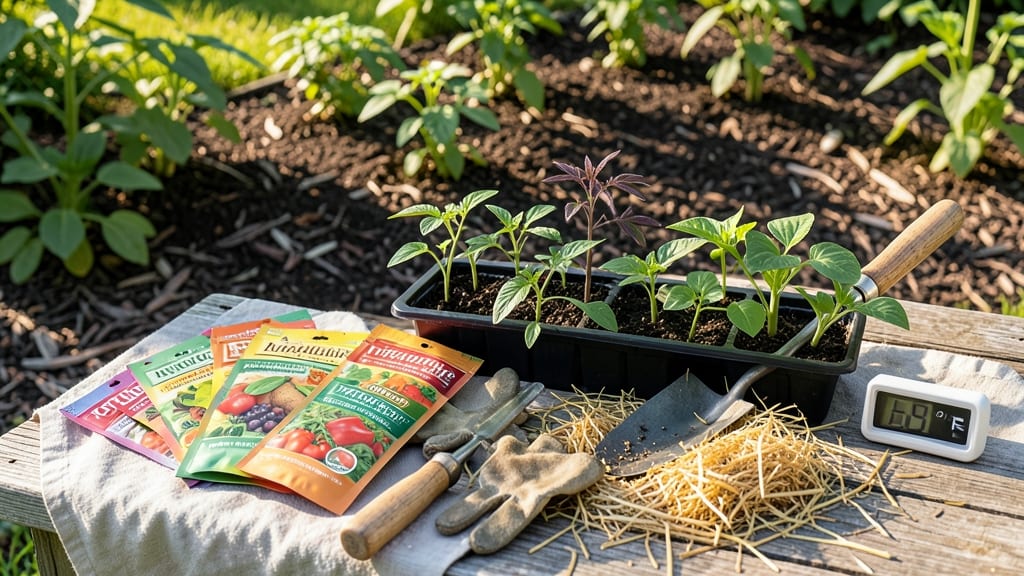
Planting a garden in Arkansas depends on timing that accounts for the state’s diverse microclimates—from the Delta’s sweltering summers to the Ozarks’ cooler springs.
Arkansas gardeners know timing is everything—plant too early and risk frost, too late and miss peak harvests. But with the state’s varied zones (USDA 6b-8a), one schedule doesn’t fit all.
Spring planting kicks off as early as late February in the Ozarks but waits until March or April in the Delta, where humidity lingers longer. Fall crops can stretch into October, but blackberry winter damage zones demand extra caution.
Below, I break down the exact deadlines by region, including how to adjust for urban heat islands and river valleys—plus the one trick that adds 3 extra weeks to your growing season.
Arkansas planting zones: USDA hardiness map vs. real-world microclimates
Arkansas spans USDA zones 6b through 8a, but those numbers don’t tell the full story. While the official map suggests uniform frost dates, Arkansas’ elevation changes of 1,500+ feet and river valleys create microclimates where spring arrives 2-4 weeks earlier in some areas than others.
The Ozark Mountains in northwest Arkansas (zone 6b) often see last frosts in mid-April, while the Delta region (zone 8a) near Helena may not experience frost until early December.
Even within the same county, urban heat islands in cities like Little Rock can push first planting dates 7-10 days earlier than rural areas.
Here’s how Arkansas’ diverse growing conditions affect your planting timeline, with county-specific adjustments you can’t find on a standard USDA map:
| Region | USDA Zone | Avg Last Frost | Avg First Frost | Spring Planting Window | Microclimate Notes |
|---|---|---|---|---|---|
| Northwest (Fayetteville) | Zone 6b-7a | April 15 | November 15 | March 15-April 15 | Cooler nights; plant cool-season crops 2 weeks earlier |
| Central (Little Rock) | Zone 7b | April 1 | November 1 | March 1-April 10 | Urban heat islands; warm-season crops 1 week earlier |
| Delta (Helena) | Zone 8a | March 1 | December 15 | February 15-March 15 | Longer growing season; heat-tolerant varieties essential |
| Mountains (Eureka Springs) | Zone 6b | April 22 | October 31 | April 1-May 1 | Short season; fast-maturing varieties required |
In Fayetteville (Washington County), gardeners can start spinach and peas in early March thanks to cooler mountain air, while Little Rock (Pulaski County) residents wait until late March to avoid 32°F dips that linger until April 1.
The difference? Elevation and urban heat—Fayetteville sits at 1,400 feet, while Little Rock averages just 250 feet above sea level.
The Arkansas River Valley creates another microclimate puzzle. Areas like Jonesboro (Craighead County) experience earlier springs due to the river’s heat retention, but soil moisture becomes a challenge—sandy soils dry out faster, requiring drip irrigation for warm-season crops like tomatoes and peppers.
For perennial plants, these microclimates matter just as much. Roses in the Delta (zone 8a) can bloom year-round with minimal winter protection, while Ozark varieties need mulch or burlap wraps to survive 20°F nights.
Even fruit trees like peaches thrive earlier in the River Valley but struggle in the Ozarks’ shorter season.
Pro tip: Use the Arkansas Cooperative Extension’s frost date calculator (available at [uaex.uada.edu](https://www.uaex.uada.edu)) to input your exact ZIP code—it accounts for local variations the USDA map ignores. For example, Springdale’s frost dates differ by 10 days from nearby Bentonville due to urban sprawl and traffic-related heat.
When planning your spring garden, adjust
Vegetable-specific planting deadlines by Arkansas region (Delta, Ozarks, river valleys)
Arkansas gardeners must adjust planting timelines based on their region—the Delta’s long summers demand heat-tolerant varieties, while the Ozarks’ cooler nights shorten growing seasons. Even the River Valleys have unique microclimates where frost dates can vary by weeks.
Let’s break down when to sow your cool-season and warm-season favorites for each area.
Cool-season crops like spinach and broccoli thrive in Arkansas’s mild winters, but timing differs sharply. In the Delta, sow seeds by mid-September for fall harvests, while Ozarks gardeners should start by late August to avoid early frosts.
Warm-season plants like tomatoes and peppers need soil temperatures above 60°F, typically by mid-April in the Delta but waiting until May 1 in the Ozarks.
For the Delta’s sweltering summers, prioritize heat-tolerant varieties like 'Heatmaster' tomatoes or 'Aristotle' peppers, which thrive when daytime temps exceed 90°F. In contrast, Ozarks gardeners should opt for shorter-season varieties like 'Mountain Merit' tomatoes (60-65 days to maturity) to beat the first frost, often arriving by mid-October.
Adjust your planting timeline if you’re growing blackberries—Arkansas’s winter damage zones require region-specific care. Delta growers can plant bare-root canes as late as December 15, while Ozarks gardeners should finish by November 15 and add 3 inches of mulch to protect roots from freeze-thaw cycles.
River Valley gardeners fall in between, with a November 1-December 10 window.
Pro tip: Use frost-free date calculators from the Arkansas Cooperative Extension to fine-tune your schedule. For example, Little Rock’s average last frost is March 15, but Fayetteville’s is April 1—a 15-day difference that matters for warm-season crops. Always account for these microclimates when planning your garden layout.
Remember, Arkansas’s 100-120 day growing windows mean every day counts. Start cool-season crops early in fall and warm-season plants as soon as soil warms to avoid missing harvests. With these deadlines, you’ll maximize yields whether you’re in the humid Delta, cooler Ozarks, or moderate River Valleys.