
Planting
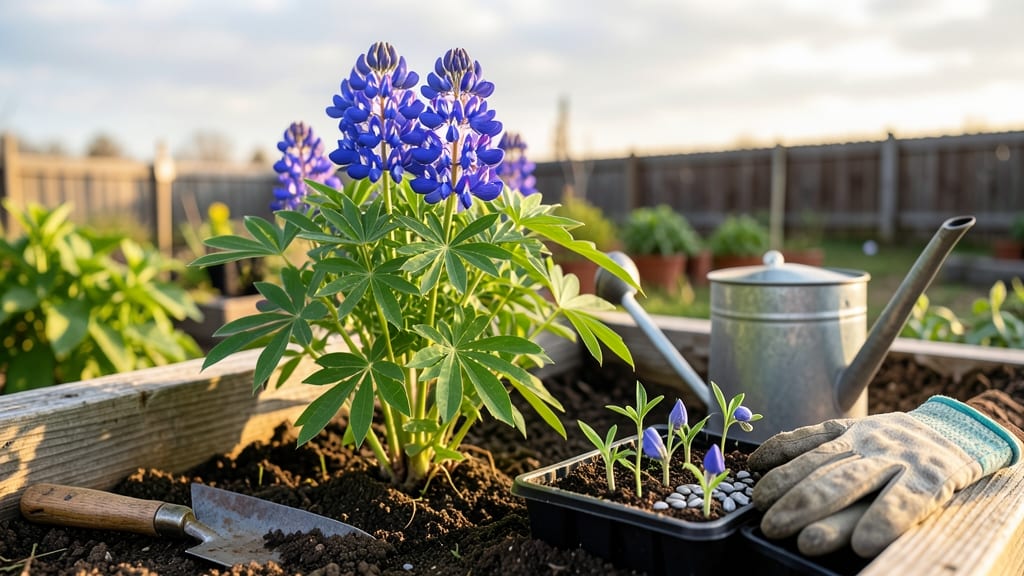
Planting a garden in Central Texas means timing is everything—get it right, and you’ll beat the heat and frost to grow a bounty; get it wrong, and you’re left with wilted dreams and wasted seeds.
Central Texas gardeners know the drill: plant too early, and a late frost will turn your seedlings into confetti. Plant too late, and the summer sun will fry your tomatoes before they ripen.
But here’s the secret—with the right schedule, you can stretch your growing season from late February all the way to early October, avoiding the worst of both extremes.
This isn’t just about throwing seeds in the dirt and hoping for the best. It’s about working with your USDA Zone 8a-8b climate, knowing when to tuck in heat-lovers like okra and sweet potatoes, and when to give delicate greens a fighting chance in the cooler months.
Below, I’ll break down the exact windows for spring and fall planting, plus the top 10 heat-resistant crops that thrive here—no guesswork, just results.
Ready to turn your yard into a productive oasis? Let’s dive into the calendar that keeps Central Texas gardens flourishing year after year.
Central Texas planting calendar: month-by-month heat-tolerant crops guide
Central Texas gardeners face a unique challenge: scorching summers and unpredictable late frosts. But with the right timing, you can grow a bountiful garden year-round.
The key is understanding your USDA Zone 8a/8b frost dates—typically February 15 for last frost and November 15 for first frost—while maximizing your 210 frost-free days.
Spring and fall are your golden windows for planting, while summer becomes a survival game for heat-loving crops. I’ll break down month-by-month planting, including which crops thrive in Central Texas’ brutal heat and how to avoid common pitfalls like bolting lettuce or wilting tomatoes.
🌱
| Month | Ideal Crops | Avoid Planting | Soil Temp (°F) | Key Tip |
|---|---|---|---|---|
| February | Peas, Spinach, Lettuce, Onions, Potatoes | Tomatoes, Peppers, Basil | 50-60°F | Use row covers for frost protection. |
| March | Carrots, Beets, Broccoli, Kale, Green Beans | Cucumbers, Squash, Melons | 60-70°F | Hardening off seedlings before transplanting. |
| April | Tomatoes, Peppers, Eggplant, Okra, Sweet Potatoes | Lettuce, Spinach, Peas | 70-80°F | Mulch heavily to retain moisture. |
| May | Okra, Sweet Corn, Black-Eyed Peas, Basil, Cucumbers | Leafy Greens, Radishes | 80-90°F | Plant in afternoon shade for seedlings. |
| June-August | Southern Peas, Sweet Potatoes, Pumpkins, Watermelons | Most Vegetables (except heat-tolerant varieties) | 90°F+ | Focus on succession planting for heat lovers. |
| September | Broccoli, Cauliflower, Cabbage, Spinach, Lettuce | Cucumbers, Tomatoes (late plantings) | 70-80°F | Start seeds indoors for fall harvests. |
| October | Peas, Radishes, Carrots, Garlic, Onions | Peppers, Eggplant, Basil | 60-70°F | Plant 6-8 weeks before first frost. |
| November | Cover Crops (Clover, Rye), Garlic, Onions | All Vegetables (except overwintering greens) | 50°F+ | Prepare soil for spring with compost. |
In March and April, focus on cool-season crops like broccoli and peas, but transition quickly to heat-tolerant varieties by May. I’ve seen many gardeners fail by planting tomatoes too late—they bolt or produce poorly in Central Texas’ 100°F+ heat.
Instead, opt for heat-set varieties like 'Celebrity' tomatoes or 'Arkansas Traveler' okra.
Summer gardening in Central Texas is all about shade and water. I recommend drip irrigation to keep roots cool and mulching with straw or wood chips to retain moisture. Southern peas and sweet potatoes are my top picks for this season—they thrive in heat and require minimal fuss.
💧
Fall planting starts in September, giving you a second harvest window before frost. Prioritize cool-season crops like kale and spinach, which sweeten in cooler weather. I always plant garlic in October—it overwinters and produces massive bulbs by June. For flowers, marigolds and zinnias are heat-toler
Top 10 heat-resistant vegetables that thrive in Central Texas summers
Central Texas summers can be brutal—think 100°F+ heat and drought conditions that wilt even the hardiest plants. But don’t let the scorching sun stop you! These 10 heat-resistant vegetables not only survive but thrive in our climate, producing bountiful harvests with minimal fuss.
From okra to sweet potatoes, these crops are your secret weapon for a zero-frost-risk garden that keeps giving all summer long.
Unlike heat-sensitive veggies like lettuce or spinach, these powerhouses love the heat and often taste sweeter after a few weeks of high temperatures. The key? Planting at the right time, amending soil for drought tolerance, and pairing them with the right companions to maximize yield.
Let’s dive into the top picks and how to grow them like a pro.
🌡️ Heat-Resistant Planting Strategies
DO ✅
- Plant after last frost (mid-April for most areas)
- Use mulch (straw or wood chips) to retain moisture
- Water deeply (1-2 inches per week, morning only)
- Choose fast-maturing varieties (e.g., 'Clemson Spineless' okra)
- Pair with drought-tolerant companions (e.g., okra + peppers)
DON'T ❌
- Avoid planting in peak heat (May-July; opt for early spring/fall)
- Don't over-fertilize (can stress plants in heat)
- Skip shade cloth (unless protecting seedlings)
- Ignore soil prep (amend with compost for water retention)
- Plant heat-sensitive crops nearby (e.g., basil near tomatoes)
"Central Texas heat is no match for these drought-loving crops—just give them the right conditions!"
The #1 rule for growing heat-resistant veggies in Central Texas? Start seeds indoors or buy transplants 4-6 weeks before your last frost date (typically mid-April). This gives seedlings a head start before the true heat arrives.
For example, sweet potatoes should be planted in late spring (May) when soil temps hit 65°F+, while black-eyed peas can handle direct sowing in March if nights stay above 50°F.
Soil is your next battleground. These heat-lovers hate soggy roots but crave well-draining, nutrient-rich soil. Before planting, mix in 2-3 inches of compost and a slow-release fertilizer (like 10-10-10) to give them a moisture-retaining boost.
For sandy soils (common in West Texas), add peanut hulls or coconut coir to improve water retention. Pro tip: Test your soil’s pH—most of these crops prefer 6.0-6.8, but okra is happy in slightly acidic soil (5.8-6.5).
Companion planting is your secret weapon for maximizing space and yield. For instance, okra pairs perfectly with peppers and eggplants (they all love heat and deter pests), while sweet potatoes thrive near bush beans (beans fix nitrogen in the soil).
Avoid planting tomatoes near corn (they compete for nutrients), and keep cucumbers away from potatoes (they attract similar pests). Actionable tip: Create a small test plot with 2-3 of these combos to see what works best in your microclimate.
Let’s talk watering—the make-or-break factor in Central Texas. These heat-resistant crops hate shallow, frequent watering; instead, soak deeply 2-3 times per week (adjust for rainfall).
Use drip irrigation or soaker hoses to deliver water directly to roots and reduce evaporation. Morning watering is non-negotiable—it prevents fungal diseases like powdery mildew that thrive in damp evening air. For container gardens, water every 1-2 days since pots dry out faster.
Ready to pick your top 10?
Here’s the shortlist of winners: 1. Okra (🌡️ 90°F+ lover, harvest pods at 3-4 inches) 2. Sweet Potatoes (🌱 Plant slips in May, harvest in 90-120 days) 3. Black-Eyed Peas (🌿 Drought-tolerant, fix their own nitrogen) 4. Peppers (🌶️ Jalapeños and bell peppers thrive in heat) 5. Eggplants (🍆 Purple beauty that loves humidity) 6. Cucumbers (🥒 Trellis them to save space and improve airflow) 7. Southern Peas (🌱 Cowpeas and yard-long beans for summer harvests) 8. Tomatillos (🍅 Green gold for salsas, heat-resistant varieties) 9. Malabar Spinach (🌿 Not true spinach but a heat-loving green) 10. Squash (Bush Types) (🎃 Zucchini and summer squash produce like crazy in heat) ☀️