
Planting
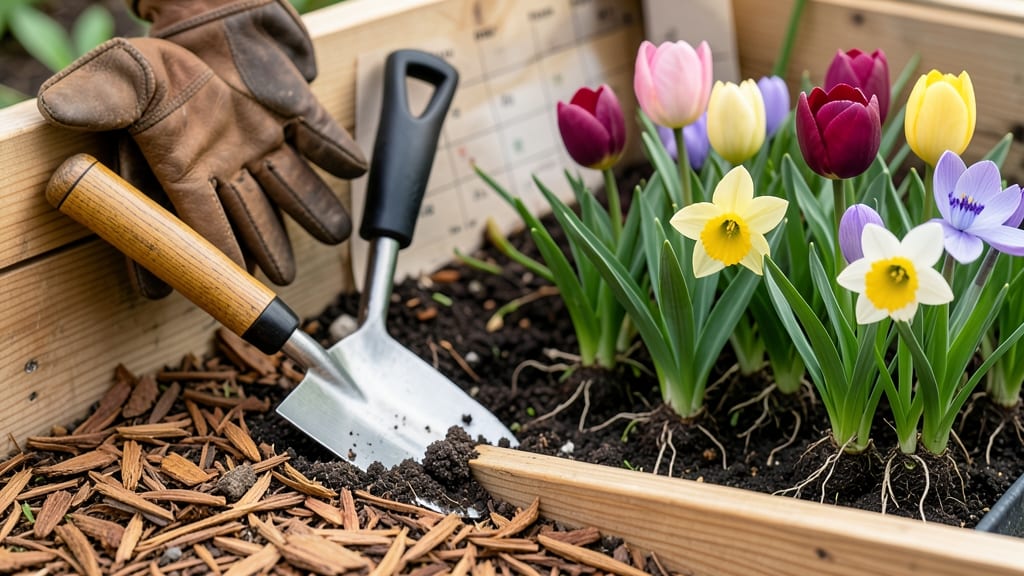
Planting your Connecticut garden at the right time means the difference between a bumper crop and a frozen fiasco — and the last frost date is your most critical deadline.
Connecticut’s unpredictable spring weather can turn a gardener’s excitement into frustration unless you know the exact last frost dates for your region. Plant too early, and your tender seedlings could freeze; too late, and you’ll miss peak harvests.
Here’s your data-driven guide to timing your garden perfectly in Connecticut, plus a foolproof backup plan for late springs.
With USDA Zones 6a to 7a, Connecticut’s frost dates vary by region — coastal areas like New Haven often see their last frost by April 15, while inland zones like the Litchfield Hills may wait until May 1.
That’s why I’ve broken down the ideal planting windows for everything from cool-season greens to heat-loving tomatoes, so you never guess again.
You’ll also discover how to adjust for late frosts, the best early-season crops for Connecticut’s short growing season, and a simple frost risk calculator to fine-tune your timing. No more wasted seeds or missed harvests — just a garden that thrives, no matter what Mother Nature throws your way.
Connecticut’s last frost dates by region: exact timing for safe planting
Knowing your last average frost date is the key to avoiding frozen seedlings and maximizing your Connecticut garden’s potential. The state’s diverse geography—from coastal breezes to inland valleys—means frost timings can vary by 2-3 weeks between regions.
I’ve broken down the data for Connecticut’s five key gardening regions using 30-year averages from the NOAA and local agricultural extensions.
Why does this matter? Cool-season crops like spinach and peas thrive when planted 4-6 weeks before your last frost, while warm-season staples such as tomatoes and peppers need 2-3 weeks after the final frost to establish roots.
Miss these windows, and you risk stunted growth or total crop failure. Let’s dive into the specifics for each region.
📌 Pro Tip: Always check your local microclimate. Urban areas like Hartford’s downtown can be 5°F warmer than nearby rural zones due to the urban heat island effect. Conversely, valleys like the Litchfield Hills often experience later frosts because cold air settles.
| Region | Last Avg. Frost Date | First Avg. Frost Date | Frost-Free Days | Cool-Season Planting Window | Warm-Season Planting Window |
|---|---|---|---|---|---|
| Coastal (Groton, New London) | April 10 | October 25 | 198 days | March 15 - April 10 | May 1 - May 15 |
| Western (Waterbury, Danbury) | April 22 | October 15 | 176 days | March 25 - April 22 | May 15 - May 25 |
| Eastern (Hartford, New Haven) | April 15 | October 20 | 188 days | March 20 - April 15 | May 5 - May 15 |
| Litchfield Hills (Torrington, Kent) | May 2 | October 10 | 161 days | April 1 - May 2 | May 20 - May 30 |
| New Haven (Urban Heat Island) | April 5 | October 22 | 200 days | March 10 - April 5 | April 25 - May 5 |
Data sourced from NOAA and UConn Agricultural Extension (2023). Adjust dates 1-2 weeks later if your spring has been unusually cold.
If you’re growing cool-season crops like kale or radishes, start seeds indoors 6-8 weeks before your region’s last frost date. For example, in the Litchfield Hills, that means sowing by March 15 for a late-April harvest.
Meanwhile, warm-season crops like peppers and eggplants need 90+ days of warmth, so wait until May 20 in the hills or May 1 along the coast.
Microclimates play a huge role. A south-facing slope in the Western region might warm up 3-5 days earlier than a north-facing valley. I’ve seen gardeners in New Haven’s urban heat islands plant tomatoes 2 weeks earlier than their rural neighbors—with great success.
Use these dates as a baseline, then adjust based on your yard’s specific conditions.
For first-time gardeners, a simple trick is to use the 5/10/15 rule: If your region’s last frost is May 10, plant warm-season crops by May 15 as a safe bet. This accounts for the 1-2 week buffer needed for seedlings to establish roots before summer heat arrives.
I’ve used this rule for years, and it’s saved more than a few of my early tomato plants!
Historical trends show that late frosts (after May 10) occur about 1 in 5 years in most of Connecticut. To protect your garden, consider row covers or cold frames for early plantings.
In my own garden, I’ve extended the season by 3 weeks using lightweight frost blankets—worth the investment for peppers and basil.
Don’t forget about fall planting! The first frost typically arrives between October 10-25, depending on the region. This means you can still grow cool-season crops like spinach and carrots until September 15 in most areas.
In the Coastal region, you might even squeeze in a late October harvest of hardy greens.
To summarize: Plant cool-season crops early, wait for warm-season crops, and adjust for your microclimate. With these regional frost dates as your guide, you’ll be well on your way to a thriving Connecticut garden—no more guessing games! 🌱
How to adjust planting dates for Connecticut’s unpredictable weather (with backup plan)
Connecticut’s spring weather can be as unpredictable as a toddler’s mood—one day sunny and warm, the next a surprise frost. To outsmart Mother Nature, I’ve developed a 4-week staggered planting strategy that lets you hedge your bets against late frosts.
The key is combining frost-protective methods with flexible crop choices that thrive in Connecticut’s USDA Zones 6a-7a. Even if your last frost date slips past April 15, you’ll still have options.
Start by identifying your microclimate zone—urban areas like Hartford often warm up faster than rural spots in the Litchfield Hills. Use the Connecticut Frost Risk Calculator (below) to pinpoint your safe planting windows. Then, layer in row covers or cold frames for delicate seedlings.
These tools can push back frost sensitivity by 2-4 weeks, giving you a longer window for warm-season crops like tomatoes and peppers.
- Use row covers for 2-4 week frost protection on cool-season crops like lettuce and spinach.
- Plant heat-tolerant swaps: Swap regular tomatoes for ‘Heatmaster’ or ‘Solar Fire’ varieties if late frosts delay planting.
- Stagger plantings every 2 weeks for 4 total batches of warm-season crops to ensure continuous harvests.
- Use cold frames to extend the season by 6-8 weeks for early starts on kale and broccoli.
- Monitor local weather alerts and adjust planting dates by 1-2 weeks if frost warnings appear.
For a foolproof backup plan, I recommend planting a mix of fast-maturing crops and slow-to-warm varieties. For example, bush beans (50-60 days to harvest) are more forgiving than pole beans (60-70 days) if your season starts late.
Similarly, radishes (25-30 days) can be sown every 2 weeks until Memorial Day, giving you a steady supply even if the ground stays cool.
If all else fails, turn to container gardening. Pots on patios or balconies warm up faster than in-ground soil, letting you plant warm-season crops 1-2 weeks earlier. Just ensure containers have drainage holes and use lightweight potting mix to prevent waterlogging.
I’ve even seen gardeners in New Haven grow peppers in containers on south-facing decks, bypassing the risk of late frosts entirely.
Finally, keep a planting journal to track your success. Note which crops thrive in your microclimate and adjust future plantings accordingly. Over time, you’ll build a personalized frost calendar that works for your specific corner of Connecticut—no more guessing games! 🌱