
Planting
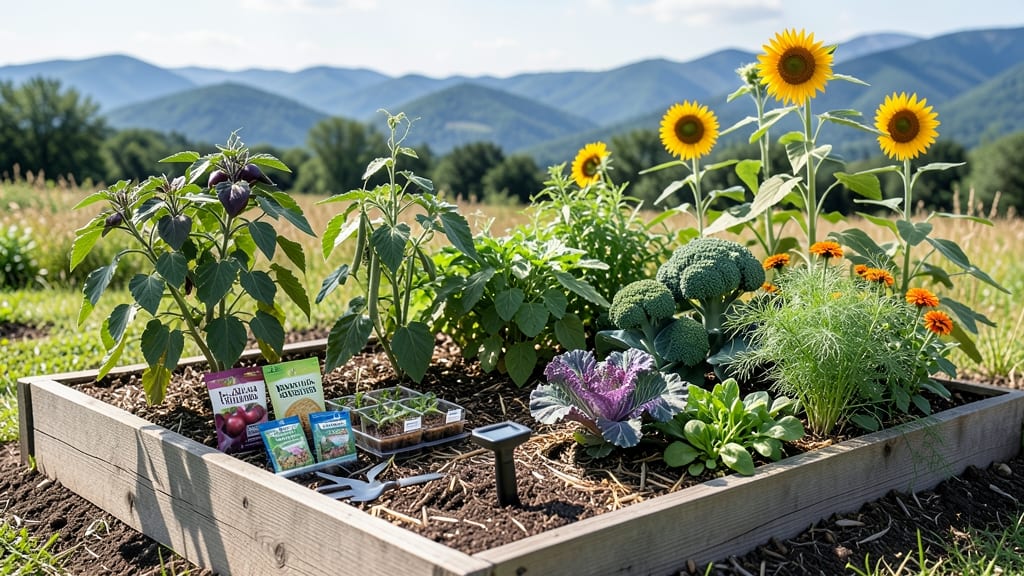
Planting your garden in East Tennessee at the right time means the difference between a thriving harvest and a sad, stunted mess—especially in zones 6a-7a, where frost can sneak up faster than you think.
East Tennessee’s unique climate—with its chilly mountain winters and warm, humid summers—means planting your garden at the wrong time can leave you with stunted plants or total crop failure. But timing it right unlocks a bountiful harvest, whether you’re growing tomatoes in Knoxville or herbs in Johnson City.
Most gardeners here start seeds indoors by mid-February and transition to outdoor planting after the last frost, typically late March to early April for spring crops. Fall planting, meanwhile, wraps up by late August to ensure harvests before the first frost in mid-October.
Below, I break down the exact frost dates by county, which crops to plant each month, and how to stretch your growing season—so you can finally stop guessing and start harvesting like a pro.
East Tennessee frost dates by county: your planting timeline
Understanding East Tennessee's frost dates is key to avoiding frost damage and maximizing your garden's potential. The last spring frost typically hits between mid-April and early May, while the first fall frost arrives around mid-October.
However, these dates vary dramatically between counties, especially when comparing valleys (warmer) and mountain ridges (colder).
For example, Sevier County (home to Pigeon Forge) often sees its last frost by April 15th, while Sullivan County (near Bristol) may wait until May 1st. These differences matter because planting warm-season crops like tomatoes or peppers too early can lead to frost damage or stunted growth.
Always check your USDA Hardiness Zone (6a-7a for most of East Tennessee) for extra precision.
Here’s how to use this data: Cold-hardy crops like kale, spinach, and peas can go in the ground as early as late February in sheltered microclimates. Meanwhile, heat-loving plants like cucumbers and squash should wait until after the last frost date and when soil temperatures hit 60°F.
The comparison table below breaks down average frost dates for 10 key East Tennessee counties, along with microclimate adjustments for valleys vs. ridges. Use this to plan your spring and fall planting windows with confidence.
| County | Last Spring Frost | First Fall Frost | Valley Adjustment | Ridge Adjustment | Heat Zone | ||||||||||||||||||||||||
|---|---|---|---|---|---|---|---|---|---|---|---|---|---|---|---|---|---|---|---|---|---|---|---|---|---|---|---|---|---|
| Sevier | April 15 | October 20 | 1-2 weeks earlier | 1-2 weeks later | 6b-7a | ||||||||||||||||||||||||
| Knox | April 20 | October 15 | 1 week earlier | 1 week later | 6a-7a | ||||||||||||||||||||||||
| Sullivan | May 1 | October 10 | 10 days earlier | 10 days later | 6a | ||||||||||||||||||||||||
| Carter | April 25 | October 18 | 1 week earlier | 1 week later | 6a-7a | ||||||||||||||||||||||||
| Johnson | April 18 | October 22 | 5 days earlier | 5 days later | 6b-7a | ||||||||||||||||||||||||
| Greene | April 22 | October 12 | 1 week earlier | 1 week later | 6a | ||||||||||||||||||||||||
| Hawkins | April 28 | October 5 | 7 days earlier | 7 days later | 6a | ||||||||||||||||||||||||
| Cocke | April 25 | October 15 | 1 week earlier | 1 week later | 6a-7a | ||||||||||||||||||||||||
| Anderson | April 10 | October 25 | 3 days earlier | 3 days later | 6b-7a |
| Month | Crops to Plant | Sun Needs | Notes |
|---|---|---|---|
| March | Peas, Spinach, Lettuce, Onions, Kale | Partial to Full Sun | Start seeds indoors for head start |
| April | Tomatoes, Peppers, Cucumbers, Beans, Basil | Full Sun | Wait until soil reaches 60°F |
| May | Sweet Corn, Squash, Okra, Marigolds | Full Sun | Succession plant beans every 2 weeks |
| August | Broccoli, Carrots, Radishes, Lettuce | Partial to Full Sun | Use row covers for frost protection |
| September | Spinach, Garlic, Chrysanthemums, Pansies | Partial Sun | Plant garlic in early September for spring harvest |
In March, prioritize cool-season crops like peas and spinach, which thrive in 50-60°F soil. These can handle light frosts and even improve flavor with a touch of chill. For April, switch to warm-season crops like tomatoes and peppers once nighttime temperatures stay above 50°F consistently.
If you miss the spring window, don’t despair—August and September offer a second chance. Plant broccoli, carrots, and kale for a fall harvest before the first frost. Use row covers to extend the season by 2-3 weeks in higher elevations like Johnson City or Bristol.
For herbs and flowers, March is ideal for parsley and chives, while August suits marigolds and zinnias. These thrive in East Tennessee’s humid summers and add color to your garden. Always mulch to retain moisture and suppress weeds, especially in flatland regions like Knoxville.
Pro tip: Succession planting every 2 weeks in spring and fall ensures a continuous harvest. For example, sow lettuce in March, again in August, and once more in September for a year-round supply.
Adjust planting dates by 1-2 weeks based on your specific microclimate—valleys warm faster than ridges.