
Planting
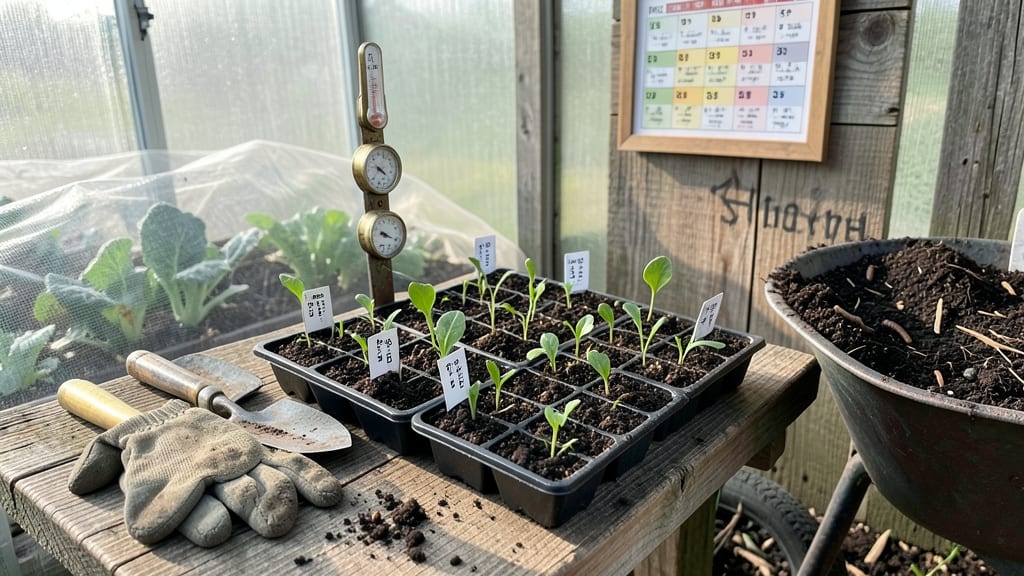
Planting a garden in Minnesota means timing your crops to survive the state’s unpredictable frost dates—and getting it wrong can mean the difference between a bountiful harvest and a sad pile of seedlings.
Minnesota’s short growing season and late frosts make this one of the trickiest places in the country to garden. Too early, and your 🌱 cool-season crops bolt before you can enjoy them.
Too late, and your warm-season plants never get off the ground. But with the right strategy, you can work around these challenges and still grow a thriving garden.
This guide breaks down the best planting windows for your USDA Zone (3–5), whether you’re sowing hardy greens in April or waiting for soil to warm in June.
We’ll also cover how to adjust for early or late years, extend your season with protective gear, and pick the best crops for Minnesota’s climate.
By the end, you’ll know exactly when to plant—so you can focus on the rewarding part: watching your garden grow.
Minnesota frost dates by USDA Zone: when to plant cool vs. warm-season crops
Minnesota’s USDA Zones 3-5 experience dramatic temperature swings, making frost dates critical for successful gardening. Cool-season crops like spinach and peas thrive in early spring, while warm-season crops such as tomatoes and peppers need to wait until after the last frost.
Understanding these timelines helps you avoid frost damage and maximize your harvest.
In Zone 3 (northern MN), the average last spring frost occurs around May 15, while Zone 5 (southern MN) sees its last frost closer to May 1.
These dates shift yearly—sometimes by weeks—so always check local forecasts. For warm-season crops, wait until soil temperatures reach at least 50°F.
Here’s how to use frost dates for your planting schedule:
| USDA Zone | Avg. Last Frost | Cool-Season Planting | Warm-Season Planting | First Frost |
|---|---|---|---|---|
| Zone 3 | May 15 | April 1–15 (peas, spinach) | June 1 (tomatoes, peppers) | September 25 |
| Zone 4 | May 1 | March 20–April 1 (lettuce, kale) | May 15 (beans, cucumbers) | September 15 |
| Zone 5 | April 25 | March 1–15 (radishes, onions) | May 1 (peppers, eggplants) | October 10 |
For cool-season crops, start seeds indoors 4–6 weeks before the last frost or sow directly in early spring. Spinach and peas can handle light frosts, while lettuce and kale tolerate even colder temperatures. In Zone 3, wait until April 1 to plant peas to avoid frost damage.
Warm-season crops like tomatoes and peppers need consistent warmth. In Zone 5, plant after May 1 when soil temperatures exceed 60°F. Use row covers to protect seedlings from late frosts. In Zone 3, delay planting until June 1 to ensure safety.
Adjust for early or late years by monitoring soil temperatures. A soil thermometer helps track readiness—50°F for peas, 60°F for beans, and 70°F for peppers. If frost threatens after planting, cover crops with frost blankets or burlap.
Fall planting is also key! Kale and broccoli thrive in cooler weather. In Zone 5, sow seeds by July 15 for a fall harvest before the first frost. Use succession planting to stretch your growing season and avoid gluts.
Remember, microclimates matter. Urban areas may warm up faster than rural zones, while south-facing gardens receive more sunlight. Always observe your garden’s unique conditions and adjust planting dates accordingly.
By aligning your planting schedule with frost dates and soil temperatures, you’ll enjoy a bountiful harvest despite Minnesota’s unpredictable climate. Happy gardening! 🌱
How to adjust planting dates for Minnesota’s unpredictable weather patterns
Minnesota’s short growing season and unpredictable frost dates make timing critical for garden success. Even experienced gardeners struggle when last spring frosts arrive late or first fall frosts come early. The key? Flexible strategies that let you adapt without losing your entire season.
Start by tracking local microclimates—urban areas often warm up faster than rural spots, while south-facing slopes get sun earlier. Check the Minnesota Department of Agriculture frost maps, but remember: these are averages.
My cold frame in Zone 4 once let me plant lettuce 3 weeks earlier than the official last frost date!
⚠️ NON-NEGOTIABLE: Never plant warm-season crops like tomatoes or peppers until soil reaches 50°F (10°C)—even if air temps seem warm. Cold soil stunts root growth, making plants vulnerable to late frosts.
Use a soil thermometer to confirm readiness. Urban heat islands can fool you—test multiple spots in your garden.
Extend your season with frost blankets and row covers, which can add 4-6 weeks to your growing window. For early spring, cover cool-season crops like spinach or peas with lightweight fabric to protect against 28°F (-2°C) temps.
In fall, use them to shield kale or carrots until the first hard frost.
Practice succession planting to stagger harvests. Instead of planting all your bush beans at once, sow half in early June and the rest 2 weeks later. This ensures a steady supply even if weather disrupts one batch.
For warm-season crops, try fast-maturing varieties like 'Early Girl' tomatoes (55 days) to beat the clock.
Monitor weekly forecasts from the National Weather Service and adjust plans accordingly. If a cold snap is predicted, rush to harvest heat-sensitive crops like basil or transplant tender seedlings into containers you can move indoors.
My cold frame saved my pepper plants last May when temps dropped to 32°F (0°C)—they recovered and produced all summer!
Don’t forget fall planting for hardy crops. Garlic and onions planted in October will thrive through winter, while spinach and radishes can handle light frosts. Use mulch to insulate soil and protect emerging seedlings from temperature swings.
With these adjustments, you’ll turn Minnesota’s unpredictable weather into an advantage—not a setback. 🌱