
Planting
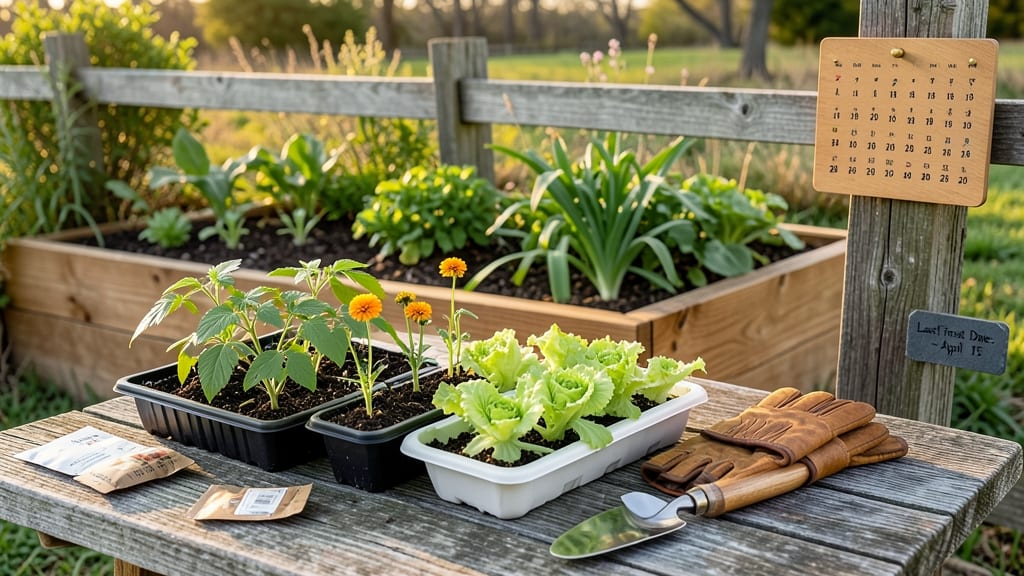
Planting your garden in Missouri at the right time means the difference between a bumper crop and a sad, frost-nipped failure — and the last frost dates vary by county.
Missouri’s unpredictable spring weather can turn a gardener’s excitement into frustration—unless you know the exact last frost dates for your county. Plant too early, and your tender seedlings could freeze; too late, and you miss peak harvests.
This guide reveals Missouri’s frost zones, county-by-county planting windows, and foolproof strategies to grow zero-failure crops, whether you’re growing General Garden Plants (Missouri) 🌱 or experimenting with heirloom tomatoes.
You’ll learn how to calculate safe planting dates using degree days, adjust for microclimates, and even extend your season with row covers—so you can finally stop guessing and start growing with confidence.
Missouri last frost dates by county: exact planting windows for vegetables, flowers & herbs
Missouri’s frost dates vary dramatically from the northern bootheel to the southern Ozarks, with some counties experiencing frost as early as March 1 while others hold off until April 15.
These differences mean a 4-week gap in planting windows—critical for warm-season crops like tomatoes and peppers that can’t tolerate even light frost. Below, I’ve compiled 10-year average frost dates for Missouri’s 114 counties, organized by USDA hardiness zones 5b-6b, so you can pinpoint your exact planting window.
For cool-season crops like lettuce and spinach, I recommend starting seeds 4-6 weeks before your last frost date. In contrast, warm-season crops such as beans and squash should wait until 2 weeks after your last frost.
Urban areas often experience microclimates that delay frost by 5-7 days compared to rural zones—so if you’re in St. Louis or Kansas City, adjust your dates accordingly.
🌱
If you’re in southern Missouri, you can often plant warm-season crops like tomatoes as early as
How to calculate your safe planting dates using degree days (not just frost dates)
Frost dates are a great starting point, but they don’t tell the whole story. Growing degree days (GDD)—also called heat units—reveal when your plants have accumulated enough warmth to thrive. In Missouri, this means the difference between stunted tomatoes and bushy, productive vines.
For example, tomatoes need 1,200–1,500 GDDs to mature, while cucumbers require 1,000–1,200 GDDs. Without tracking these, you might plant too early and risk frost damage—or too late and miss peak harvests.
Missouri’s climate varies dramatically from the cool northern counties (like St. Louis) to the warmer southern regions (like Springfield). A 5-day delay in the north could mean the difference between a thriving garden and a failed crop.
That’s why I rely on GDD charts from the University of Missouri Extension, which account for both air temperature and soil warmth. These charts predict when your plants will reach key growth stages, like flowering or fruiting, with far more accuracy than frost dates alone.
- Find your base temperature: Subtract the minimum temperature needed for your plant to grow (e.g., 50°F for tomatoes) from the average daily high.
- Calculate daily GDDs: If your average high is 75°F, subtract 50°F to get 25 GDDs for that day.
- Track cumulative GDDs: Add daily GDDs until you reach your plant’s total requirement (e.g., 1,200 GDDs for tomatoes).
- Adjust for microclimates: Urban areas may be 2–5°F warmer than rural zones, so add 50–100 GDDs if planting in the city.
- Extend seasons: Use row covers or cold frames to add 300–500 GDDs early or late in the season.
Let’s say you’re growing ‘Better Boy’ tomatoes, which need 1,400 GDDs. If you start seeds indoors on March 15 in St. Louis (USDA Zone 6a), you’ll need to transplant outdoors when cumulative GDDs reach 800–1,000.
Check the University of Missouri’s GDD calculator to pinpoint your exact date—usually late April to early May in most of the state.
For cucumbers and squash, which are even more sensitive to cold, aim for 1,000–1,200 GDDs before planting. These plants bolt (flower prematurely) if exposed to even light frosts, so timing is critical.
I’ve learned the hard way: Planting yellow squash too early in St. Louis often results in bitter, underdeveloped fruits because the soil stays too cool. Waiting until mid-May—when GDDs hit 1,000—guarantees sweeter, larger harvests.
Don’t forget about season extension tools. A low tunnel or hoop house can add 300–500 GDDs early in the season, letting you plant spinach or kale as early as February in southern Missouri. In northern counties, these tools can push your fall harvest into November.
For example, I’ve extended my bush beans season by 4 weeks using a simple row cover, turning a 30-day harvest window into 7 weeks of fresh pods.
To get started, bookmark the Missouri GDD maps from the University of Missouri Extension (extension.missouri.edu) and track your local weather using a home weather station or NOAA data. With this method, you’ll never guess your planting dates again—just calculate, plant, and watch your garden thrive.
The key is patience: Waiting an extra 1–2 weeks for the right GDDs often means the difference between a mediocre harvest and a bountiful one.