
Planting
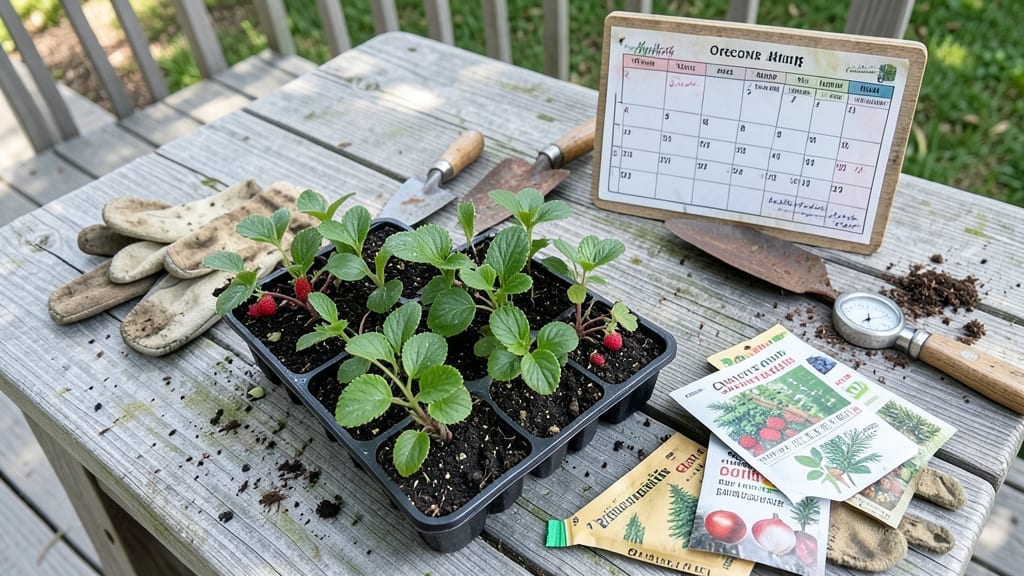
Planting a garden in Oregon depends on your exact location—coastal fog delays spring by weeks, while high-desert heat lets you start months earlier than the Willamette Valley.
Oregon’s diverse microclimates—from coastal fog to high-desert heat—mean your garden’s planting window can vary by hundreds of days. Get the exact zero-frost risk deadlines for your zone to maximize yields and avoid costly mistakes.
Whether you’re growing heat-loving tomatoes or cool-season kale, timing is everything. Miss the window, and you’ll either wait for frost to strike or watch your seedlings bolt in the heat.
Below, I break down the ideal planting months for your region—plus soil prep tips and frost-free tricks to turn Oregon’s unpredictable spring into a gardener’s advantage.
Oregon’s planting zones: when to start seeds vs. transplant crops by region
Oregon’s USDA zones 7-9 create wildly different planting windows—from coastal fog in Astoria to high-desert heat in Bend. These microclimates shift when you can safely plant warm-season crops like tomatoes or cool-season staples like kale by hundreds of days.
Let’s break down the exact deadlines for your region to avoid frost damage and maximize harvests.
First, know your last frost dates are the real deadline-makers. In Zone 7 coastal areas (e.g., Seaside), the last frost typically hits April 15–May 1, while Zone 9 high desert (e.g., Bend) sees its last frost by March 15–April 1.
Meanwhile, the Willamette Valley (Zone 8) averages April 30–May 15. These dates determine when to move seedlings outdoors or start direct sowing.
Here’s the key difference: Coastal areas have longer cool seasons but shorter warm-season windows, while inland and desert zones can plant tomatoes and peppers as early as April 1—but risk late frosts until May. Always check microclimate adjustments (e.g., south-facing slopes warm up faster) to fine-tune your schedule.
For warm-season crops like tomatoes, peppers, and squash, start indoor seeds 6–8 weeks before your last frost date. In Zone 7 coastal areas, that means March 1–March 15 for transplanting by May 15.
In Zone 9 high desert, you can direct-sow peppers as early as April 15—but protect them with row covers if nights dip below 50°F.
Cool-season crops like lettuce, spinach, and kale thrive in cooler temperatures and can handle light frosts. Plant them 4–6 weeks before your last frost date. In coastal Oregon, that’s March 1–March 15, while Willamette Valley gardeners can start late February.
High-desert areas can even plant spinach in late October for a winter harvest.
Pro tip: Use Oregon State University’s frost maps for your exact location. For example, Medford (Zone 9) can plant cucumbers by April 15, while Newport (Zone 8) waits until May 1 to avoid coastal fog delays.
Always adjust for microclimates—a south-facing slope might let you plant 2 weeks earlier than your neighbors.
If you’re growing heat-loving crops like okra or sweet potatoes, prioritize high-desert zones where soil warms faster. In Bend or La Pine, you can direct-sow okra by May 15, but coastal gardeners
Microclimate-specific planting calendar: coastal vs. inland Oregon deadlines
Oregon’s coastal fog belts and high-desert valleys create dramatic planting differences. Coastal areas like Astoria stay cool longer, while inland cities like Bend can plant 60 days earlier for warm-season crops. Understanding these microclimates helps you time seed starting and transplanting perfectly for zero-frost-risk harvests.
For zero-frost-risk crops like beans, cucumbers, and corn, timing is critical. Coastal regions typically have 30-50 fewer frost-free days than inland areas. Meanwhile, Portland and Eugene fall in between, with moderate frost windows that require careful planning for heat-loving plants.
Here’s how to align your planting with your local microclimate:
| Region | Last Frost | Start Seeds Indoors | Transplant Seedlings | Harvest Zero-Frost Risk Crops |
|---|---|---|---|---|
| Astoria (Coastal) | May 15 | March 15 | May 20 | July 15 |
| Portland (Willamette Valley) | April 15 | February 28 | April 25 | June 20 |
| Eugene (Willamette Valley) | April 10 | February 20 | April 20 | June 15 |
| Bend (High Desert) | March 15 | January 15 | March 30 | May 15 |
If you’re in Astoria, wait until May 20 to transplant tomatoes and peppers, as coastal fog delays soil warming. In Bend, you can start cucumbers and corn by March 15—but protect seedlings from late frosts with row covers.
For Portland and Eugene, aim to transplant warm-season crops by April 25 to avoid late-spring chills. Use succession planting for beans and lettuce to stretch harvests until October.
My zero-frost-risk deadline for corn and squash in Portland is June 20, while coastal gardeners should wait until July 15. Adjust for elevation shifts—every 1,000 feet higher means 3-5 days earlier for planting.
Pro tip: Use Oregon State University’s frost maps to refine your timeline. For coastal gardeners, extend seasons with cold frames, while high-desert gardeners should prioritize drought-tolerant varieties like zucchini and black-eyed peas. 🌱