
Planting
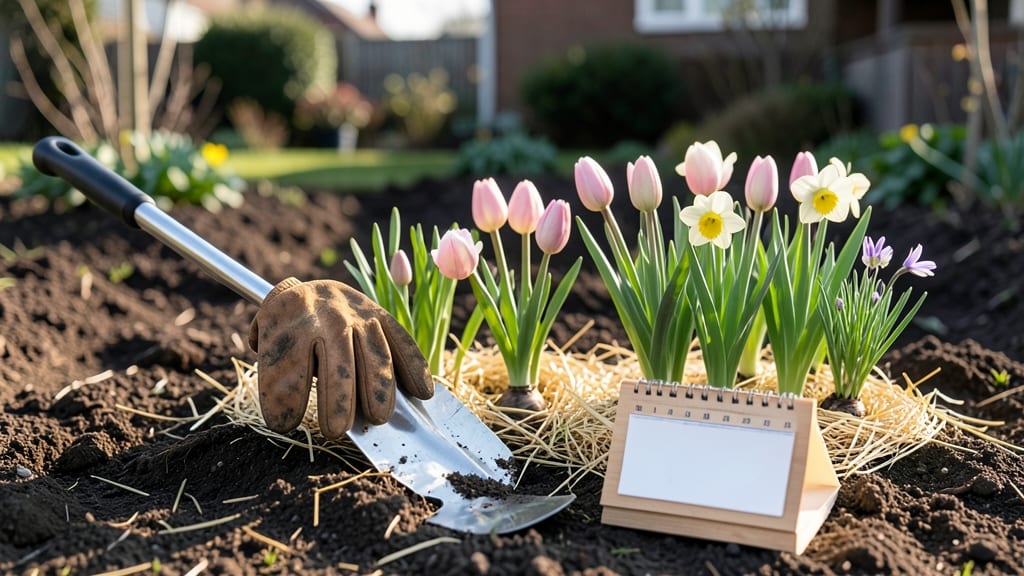
To plant a garden in Upstate NY, time your sowing between late April and mid-June after the last frost—or opt for fall crops in August to early September.
Upstate New York’s unpredictable frosts can turn a thriving garden into a frozen disappointment—but timing your planting just right ensures bumper harvests every season. Here’s your frost-date map and foolproof schedule for planting in zones 5b-6b, so you never miss a growing window again.
Cool-season crops like spinach and kale thrive when planted 4-6 weeks before the last frost, while tomatoes and peppers need the soil to warm up 2-3 weeks after. Missing these windows means wasted seeds or stunted growth, but with the right timing, you’ll maximize your harvest.
Below, I break down the critical planting months for Upstate NY, including when to start seeds indoors, how to protect young plants from late frosts, and which crops to prioritize for a long, productive growing season.
Upstate NY planting zones & frost dates: the critical timeline you can’t ignore
Upstate New York’s USDA zones 5b-6b create a delicate balance between short growing seasons and unpredictable frosts. Missing your last spring frost or first fall frost can mean lost crops—so knowing your exact planting windows is non-negotiable.
Whether you're in the Adirondacks, Finger Lakes, or Capital District, microclimates shift frost dates by 1-2 weeks, making local knowledge your best tool.
In most of Upstate NY, the average last frost date falls between May 10-20, but this can vary wildly—April 20 in the Capital District versus May 30 in the Adirondacks.
Similarly, the first fall frost arrives between September 20-October 10, with southern regions like the Finger Lakes holding on 1-2 weeks longer than northern areas. These dates dictate whether your tomatoes or peppers thrive or wither.
Here’s the game-changer: a regional frost-date breakdown that turns guesswork into a foolproof planting schedule. Use this to align your cool-season crops (spinach, kale) with early windows and warm-season crops (beans, cucumbers) with post-frost timing.
Pro tip: Hardened gardeners in Upstate NY swear by row covers to extend spring planting by 2-3 weeks—a hack that can mean the difference between a bountiful harvest and a bare patch.
Let’s break down how to use these dates. For cool-season crops like spinach, peas, and lettuce, you can start seeds 4-6 weeks before your last frost date.
In the Capital District, that means mid-March for hardy varieties, while the Adirondacks wait until early April. Warm-season crops such as tomatoes, peppers, and cucumbers need to wait until 2-3 weeks after your last frost—so late May in the Adirondacks versus mid-May in the Capital District.
Don’t overlook fall planting, either. Kale, radishes, and carrots thrive when sown 6-8 weeks before your first frost. That means late August in the Adirondacks but early September in the Finger Lakes.
A cold frame or low tunnel can push this window back by 3-4 weeks, letting you harvest well into November—a game-changer for late-season greens.
Microclimates add another layer. A south-facing slope might warm up 1-2 weeks earlier
Best crops to plant by month in Upstate NY: a month-by-month survival guide
Upstate New York’s short growing season demands precision—plant too early, and frost zaps your seedlings. Too late, and you miss peak harvests. The key? Succession planting and knowing which crops thrive in each month’s unique conditions.
I’ve broken it down by month so you can maximize every square foot of your garden from April through October.
April is all about cool-season champions like spinach and peas, while June kicks off the heat-loving tomato rush. By August, it’s time for fast-maturing squash and beans to beat the first frost. Let’s dive into the exact timing and tricks to keep your garden productive all season long.
- 🌱 April: Direct-sow spinach, peas, and lettuce (hardy to 20°F). Start tomato and pepper indoors.
- 🌱 May: Transplant tomatoes, peppers, and onions after last frost (avg. May 15). Sow carrots, radishes, and beans.
- 🌱 June: Plant cucumbers, squash, and melons (soil must be 60°F+). Succession-sow lettuce for fall harvest.
- 🌱 July: Direct-sow late beans, kale, and broccoli for fall. Watch for pests—use row covers if needed.
- 🌱 August: Plant spinach, arugula, and turnips for early fall harvest. Extend season with cold frames.
- 🌱 September: Sow garlic, onions, and hardy greens (they’ll overwinter). Harvest tomatoes and peppers before frost.
- 🌱 October: Cover kale and carrots with mulch to protect from light frosts. Clean up debris to prevent pests.
April is your window for cool-hardy greens like spinach and kale. These thrive in 40–60°F soil and can handle light frosts. I start seeds indoors in late March for a head start, then transplant 4–6 weeks before the last frost (usually mid-May).
For succession planting, sow every 2 weeks to ensure a continuous harvest.
June is when tomatoes and peppers take center stage. Wait until soil temperatures hit 60°F+—cold soil stunts growth.
I use black plastic mulch to warm the soil faster and plant afternoon-shade cloth for young seedlings to prevent sunscald. Cucumbers and squash also love June’s warmth but need trellises to save space.
By August, focus shifts to fast-maturing crops like bush beans and zucchini. These can go from seed to harvest in 4–6 weeks, giving you time to beat the first frost (mid-October).
I also direct-sow spinach and arugula for a fall harvest—these bolt in summer heat but thrive in cooler temps.
Don’t forget perennials and herbs! Plant asparagus crowns in early spring or rhubarb in fall for long-term harvests. Herbs like thyme and oregano are frost-hardy and can be planted anytime soil is workable. For maximum yield, interplant fast growers (radishes) with slow ones (carrots) to utilize space efficiently.
Pro tip: Use row covers to extend spring and fall planting by 2–3 weeks. They protect from frost while allowing sunlight and rain.
I also mark my calendar for local frost dates—the Finger Lakes and Capital District tend to warm up faster than the Adirondacks, so adjust accordingly.