
Planting
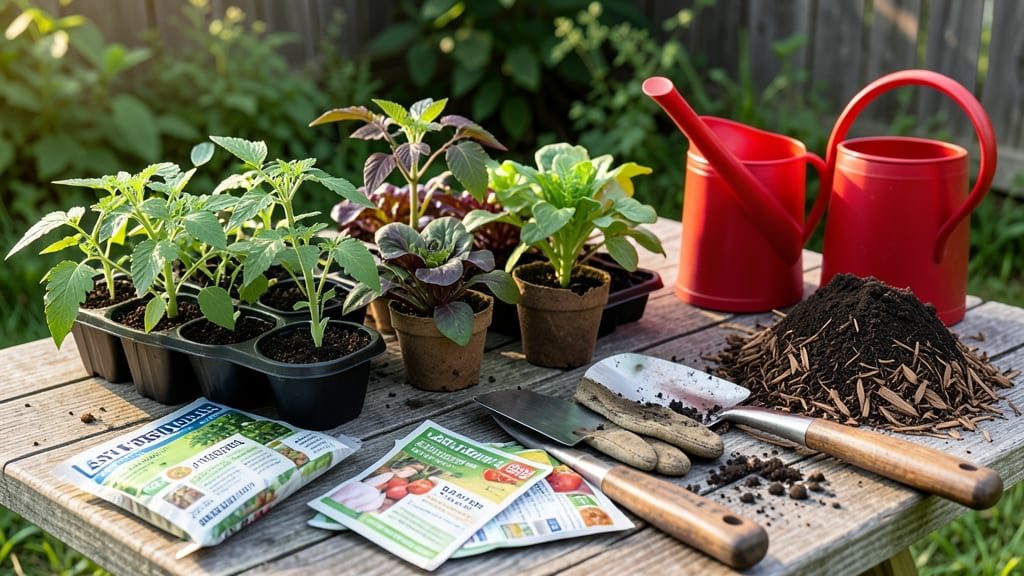
Planting your garden in Virginia at the right time means the difference between a lush harvest and a total loss—and the last frost dates for your specific region are the key.
If you’ve ever watched your seedlings wilt overnight after a surprise frost or seen your tomatoes bolt in the heat, you know timing is everything. Virginia’s climate varies wildly from the coastal plains to the mountains, so a one-size-fits-all approach won’t cut it.
Below, I break down the exact planting windows for every USDA zone in Virginia—when to start seeds indoors, when to transplant warm-season crops, and how to adjust for microclimates like the Piedmont or Shenandoah Valley.
You’ll also discover how to use frost dates to plan your entire growing season, avoid common mistakes (like planting too early in Northern Virginia), and even push your luck with heat-loving crops like okra or sweet potatoes.
Virginia’s last frost dates by region: critical planting windows for every Zone
Virginia’s last spring frost dates vary dramatically across its USDA Zones 4-7, creating a 2-3 week difference between northern mountains and coastal plains. These dates determine whether your tomatoes thrive or your peppers wilt—so let’s break it down by region to avoid costly mistakes.
The Piedmont and Coastal Plain often see frost-free windows opening 10-14 days earlier than the Blue Ridge Mountains, thanks to warmer microclimates.
For cool-season crops like broccoli and spinach, timing is equally critical. Planting too early risks frost damage, while waiting too long means bolting before harvest.
Meanwhile, warm-season crops like eggplant and squash need soil temperatures above 60°F—a threshold often met 2-4 weeks after the last frost in most regions. Let’s map out your exact planting windows.
🌱 Key Takeaway: Use these dates as guidelines, not rules. Check the Virginia Cooperative Extension for localized adjustments—especially if you’re near large bodies of water or urban heat islands, which can shift frost dates by 5-7 days. Always have row covers ready for late surprises!
In Zone 4-5 (northwest Virginia and Shenandoah Valley), the last frost often lingers until mid-April, making it risky to plant tomatoes or peppers before May 15.
For these areas, opt for early-maturing varieties like ‘Early Girl’ tomatoes (60 days) or ‘Jupiter’ peppers (65 days) to maximize your harvest window. Cool-season crops like kale and carrots can handle light frosts, but avoid planting after April 15—they’ll bolt in the heat.
For Zone 6-7 (Piedmont and Richmond areas), you gain a 2-3 week advantage. Here, warm-season crops can start as early as April 20, but soil temperatures below 60°F will stunt growth.
Use a soil thermometer to confirm readiness—especially for squash and cucumbers, which need 70°F+ soil. In these zones, succession planting of lettuce or radishes every 2 weeks ensures a continuous harvest.
The Coastal Plain (Zone 7b-8a) enjoys the earliest frost-free dates, often by mid-March. This allows for early plantings of heat-lovers like okra and sweet potatoes by March 30. However, beware of late-season frosts in April—especially near the Ches
How to use frost dates to plan your garden: a step-by-step timeline for success
Virginia’s last frost dates vary dramatically—from March 15 in Norfolk to April 15 in Roanoke—so timing is everything. Warm-season crops like tomatoes and peppers need 60-90 days of warmth after your last frost, while cool-season crops like spinach or kale thrive when planted 4-6 weeks before the first frost.
Without this timeline, you risk frost damage or stunted growth.
Start by checking your USDA hardiness zone (Virginia spans Zones 4-7) and cross-reference with the Old Farmer’s Almanac for your county. Add a 30-day buffer if you’re in a high-risk area like the Piedmont region, where late frosts are common.
For example, planting zucchini 90 days before Norfolk’s last frost (June 1) ensures a harvest before fall frosts arrive.
Look up your local last frost date (e.g., March 20 for Richmond, April 5 for Blacksburg). Use the Virginia Cooperative Extension or Old Farmer’s Almanac for precision.
For tomatoes, peppers, or cucumbers (60-90 days to maturity), count backward from your last frost. Example: If frost is April 15, plant by January 15 for 90-day varieties or March 15 for 60-day varieties.
Plant lettuce, broccoli, or peas (30-60 days to maturity) 4-6 weeks before your first frost (e.g., September 15 for Norfolk). These thrive in cooler temps and can handle light frosts.
Extend harvests by planting fast-growing crops like radishes (30 days) or bush beans (50 days) every 2-3 weeks after your first planting. Example: Start radishes April 1, then again on April 15 and May 1.
Add a 2-3 week buffer if you’re in a high-altitude area (e.g., Roanoke) or near water bodies (e.g., Coastal Plain). Use row covers to extend early-season planting by 2-4 weeks for frost-sensitive crops.
Don’t forget to test soil temperature—warm-season seeds need 60°F+ soil, while cool-season crops tolerate 40-50°F. Use a soil thermometer to avoid planting too early. For example, Northern Virginia’s soil may hit 60°F by May 1, while Southern Virginia could be ready by April 15.
Pro tip: Bookmark the Virginia Garden Guide from the Virginia Department of Agriculture for real-time updates. They adjust frost dates annually based on local weather patterns. Start with hardy crops like spinach or peas in early spring to test your timing before committing to delicate tomatoes or peppers.
By mastering this frost-date timeline, you’ll maximize yields and minimize losses—no more wilted seedlings or frost-nipped blooms! 🌱