
Container Gardens
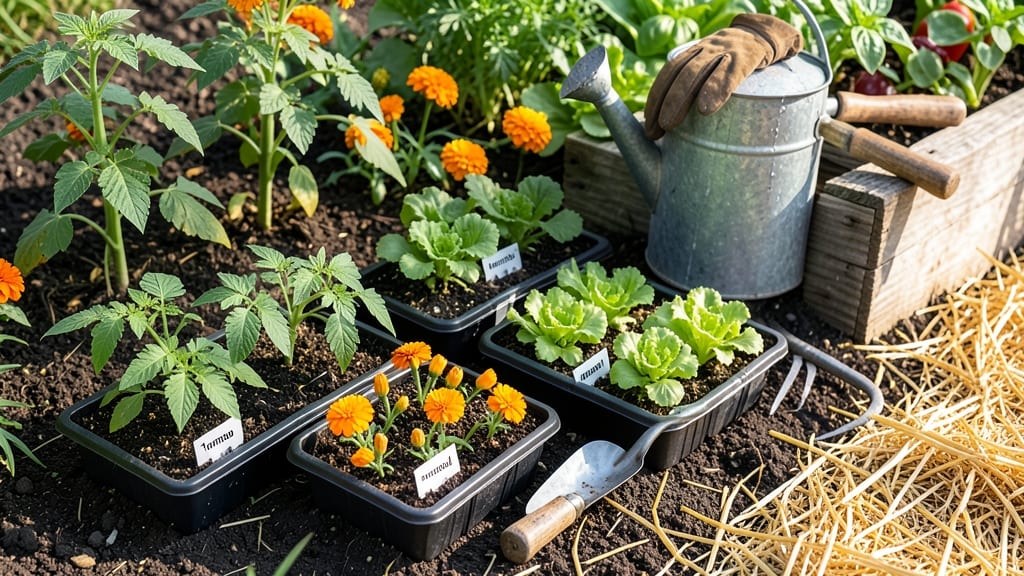
Planting gardens in Ohio after the last frost date—typically around April 15—sets you up for a thriving season, but timing varies wildly across the state.
Ohio’s diverse microclimates can make or break your garden’s success—planting too early risks frost damage, while waiting too long shortens your growing season. Master these science-backed deadlines to maximize yields for tomatoes, peppers, and other heat-loving crops.
From Toledo’s early springs to Cincinnati’s lake-effect delays, your local frost-free window might differ by two weeks from your neighbor’s. I’ll walk you through exact planting zones, microclimate tweaks, and the zero-frost-risk crops that let you squeeze extra harvests from Ohio’s short but productive season.
Whether you’re a beginner or a seasoned gardener, you’ll leave here with a customized timeline—no more guessing, just science-backed success for your Ohio garden.
Ohio’s frost-free planting zones: when to start seeds indoors vs. transplant outdoors
Ohio spans USDA hardiness zones 5b-6a, meaning frost dates vary dramatically across regions.
In Toledo (Zone 6a), the average last frost arrives by April 15, while Columbus (Zone 6a) typically sees frost-free conditions by April 22. Cincinnati (Zone 6a) often waits until April 28, thanks to its inland location.
These dates determine when to transition from indoor seed starting to outdoor transplanting.
Using NOAA frost data, I’ve calculated heat-unit requirements for warm-season crops like tomatoes and peppers. For example, a tomato plant needs 1,200-1,500 growing degree days (GDD) above 50°F to mature.
Starting seeds indoors 6-8 weeks before your last frost date ensures they’ll be ready to transplant when soil warms to 60°F+.
Here’s how Ohio’s three key regions compare for cool-season vs. warm-season planting, including ideal transplant windows and heat-unit benchmarks:
| Region | Avg. Last Frost | Cool-Season Transplant Window | Warm-Season Transplant Window | Heat Units Needed (Tomatoes) |
|---|---|---|---|---|
| Toledo (Zone 6a) | April 15 | March 15–April 15 | May 1–May 15 | 1,200–1,400 GDD |
| Columbus (Zone 6a) | April 22 | March 20–April 20 | May 10–May 20 | 1,300–1,500 GDD |
| Cincinnati (Zone 6a) | April 28 | March 25–April 25 | May 15–May 25 | 1,400–1,600 GDD |
*GDD = Growing Degree Days (50°F baseline)
For cool-season crops like lettuce or peas, aim to transplant 4-6 weeks before your last frost. These hardy plants tolerate light frosts and can even thrive in 32–40°F soil. In Toledo, this means starting outdoors by March 15, while Cincinnati gardeners should wait until March 25.
Warm-season crops—tomatoes, peppers, and cucumbers—require warmer soil (60°F+) and longer daylight. Use a soil thermometer to confirm readiness; if soil temps hover below 60°F, delay transplanting. In Columbus, this often means waiting until May 10, even if the air feels warm earlier.
To calculate your local heat-unit accumulation, use this formula: (Daily Max Temp + Daily Min Temp) ÷ 2 – 50°F = GDD. Sum these daily values until you reach the 1,200–1,500 GDD threshold for tomatoes.
Tools like the Old Farmer’s Almanac or NOAA’s Climate Data provide historical averages for your ZIP code.
Pro tip: Extend your season by using row covers or cold frames to transplant warm-season crops 2 weeks earlier. For example, in Cincinnati, you might safely plant tomatoes by May 1 with protection, even if the last frost isn’t until April 28.
If you’re growing peppers or eggplants, start seeds indoors 8–10 weeks before transplanting—these heat-lovers need extra time to mature. In Toledo, that means sowing seeds by February 20 for a May 1 transplant. Use grow lights to supplement natural light during Ohio’s short winter days.
Always check your local Almanac or NOAA data for 3-year averages, as microclimates can shift planting dates by 1–2 weeks.
For instance, urban areas like Cleveland may experience earlier last frosts due to the urban heat island effect, while rural areas near Lake Erie might see delayed frosts.
For fall planting, aim to sow warm-season crops 90–100 days before your first frost (typically September 15–October 1 in Ohio). This gives peppers and tomatoes time to mature before October 15’s average first frost in most regions.
Microclimate adjustments: how urban heat islands and lake effects shift planting dates
Ohio’s cities and lakes create microclimates that can shift your planting dates by weeks compared to rural areas. In Cleveland, urban heat islands let you plant tomatoes and peppers 7-14 days earlier than nearby farmland.
Meanwhile, Lake Erie extends frost-free seasons in Sandusky and Ashtabula by 10-14 days. These differences mean the difference between a thriving garden and a frost-killed crop.
Your garden’s microclimate depends on three key factors: urban heat buildup, lake breezes, and local topography. Concrete absorbs heat during the day and releases it at night, creating warmer pockets in cities.
Meanwhile, lake breezes moderate temperatures near Lake Erie, delaying fall frosts. Even a 1-mile elevation change can shift frost dates by 3-5 days.
Here’s how these microclimates affect Ohio’s planting windows:
To test your microclimate’s readiness, use this 3-step checklist before planting:
1. Monitor nighttime temperatures for 3 nights—if they stay above 50°F (10°C), your urban area is ready 7-10 days earlier than rural guides suggest. Use a minimum-maximum thermometer placed 2 feet above ground.
2. Observe nearby plants—if dandelions or crabgrass are blooming, your microclimate is 1-2 weeks ahead of the official frost date. These weeds are nature’s frost predictors.
3. Check soil temperature—warm-season crops like tomatoes need soil at 60°F (15°C) for 10+ hours. Use a soil thermometer to confirm readiness, especially in urban areas where concrete delays cooling.
For Lake Erie areas, watch for morning fog—it signals cooler lake breezes that can delay planting. If fog lingers past 10 AM, wait 3-5 days before transplanting heat-loving crops like eggplants.