
Planting
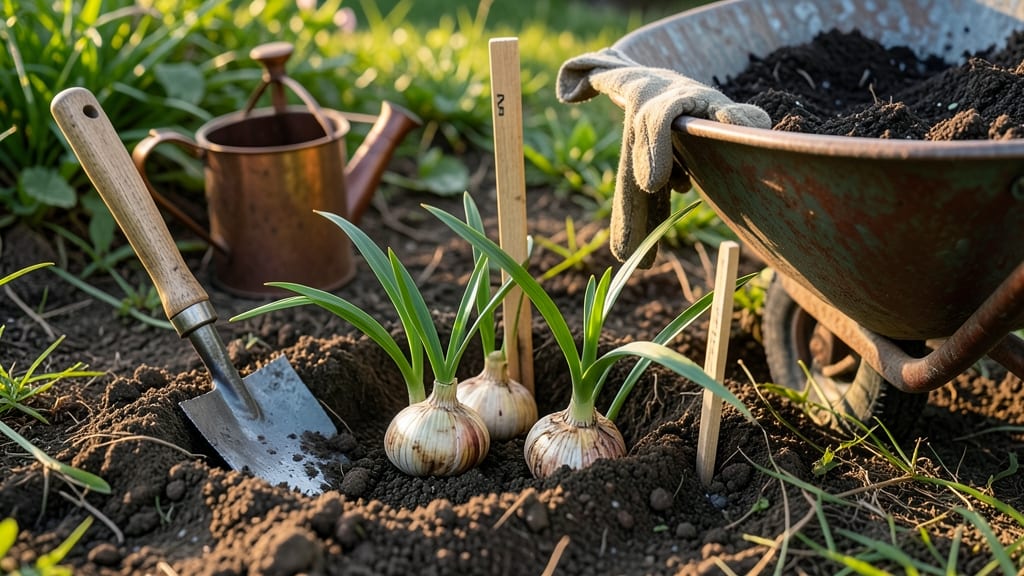
Planting lily bulbs in your garden at the right time ensures vibrant blooms and strong roots before winter sets in.
Picture this: you’ve just dug a hole, only to watch your 🌸 lily bulbs freeze or rot because you planted too early—or worse, miss the window entirely and end up with sparse flowers next summer.
The secret? Timing it when soil temps hit 50–60°F and the moon is in the right phase for root growth.
Most gardeners in USDA Zone 6a (like me!) plant in September–November or March–April, but tropical climates have different rules. Below, I’ll break down the exact windows, soil prep tips, and even how moon phases can boost your success.
By the end, you’ll know exactly when to tuck those bulbs into the earth for a garden bursting with color—no guesswork, just blooms.
Best soil temperature and climate conditions for planting lily bulbs
Getting the timing right for planting lily bulbs is crucial—soil temperature and frost-free windows directly impact root establishment and next year's blooms. I’ve learned that 50-60°F soil is the sweet spot for most lily varieties, allowing roots to grow strong before winter dormancy.
Planting too early in warm soil can stress bulbs, while waiting too long risks frost damage before roots take hold.
Lilies thrive in USDA hardiness zones 3-10, meaning they adapt to everything from cold northern winters to mild southern climates. However, the key is planting bulbs 4-6 weeks before the first frost in your region.
This timing ensures roots have time to establish before the ground freezes, preventing bulb rot or failure to bloom the following season.
Here’s the critical rule I follow: Never plant when soil is above 60°F—this triggers premature sprouting, which weakens the bulb.
In warmer zones like Florida or California, fall planting may need to happen earlier (August-September), while colder zones like Minnesota or upstate New York can wait until late September or early October.
| Climate Zone | Ideal Planting Window | Soil Temp Requirement | Frost-Free Days Before Planting |
|---|---|---|---|
| USDA Zones 3-5 (Cold) | Late September - Early October | 50-55°F | 4-6 weeks |
| USDA Zones 6-8 (Temperate) | Mid-September - Mid-October | 55-60°F | 3-5 weeks |
| USDA Zones 9-10 (Warm) | August - Early September | 60-65°F (shade cloth may help) | 2-4 weeks (minimal frost risk) |
| Tropical Climates (No Frost) | Spring (March-April) or Fall (October-November) | 65-70°F (avoid summer heat) | N/A (plant when soil cools) |
One common mistake I see is planting lilies in spring instead of fall. While spring planting works in mild climates, bulbs planted in spring often bolt to flower immediately rather than storing energy for next year’s blooms.
For maximum bloom potential, always prioritize fall planting unless you live in a frost-free zone.
Microclimates matter too—southern exposures warm up faster than northern ones, so bulbs in sunny spots may need planting earlier.
I’ve found that testing soil temperature with a thermometer (or using the "finger test"—if soil feels cool but not cold at 6 inches deep, it’s ready) takes the guesswork out of timing. For container gardening, use well-draining pots and plant slightly earlier than ground planting.
Lilies also benefit from well-draining soil—soggy conditions lead to rot. Amending heavy clay with compost or sand improves drainage, while adding a 2-inch layer of mulch after planting helps regulate soil temperature and retain moisture.
In drought-prone areas, water deeply after planting to encourage root growth before winter sets in.
If you’re in a transition zone (like USDA Zone 7b), err on the side of planting earlier rather than later.
I’ve had better success with late September planting in my Zone 7 garden than waiting until October, as the extra time allows roots to establish before the first hard frost.
The same rule applies to Asiatic lilies, which are hardier than Oriental lilies—the latter often need the extra time to root deeply.
For gardeners in high-altitude areas (like Denver or Colorado Springs), planting dates shift earlier due to cooler temperatures. I’ve seen success with August planting in these regions to account for the shorter growing season.
Always check your local frost dates—the National Weather Service or local cooperative extension offices provide reliable data for your area.
Finally, remember that lily bulbs are perennials, meaning they’ll return year after year if given the right conditions. By planting at the optimal soil temperature and giving them enough time to establish roots before winter, you’re setting them up for vibrant blooms for seasons to come. 🌸
How moon phases affect lily bulb growth and flowering success
For centuries, gardeners have aligned planting with the moon phases to boost growth and flowering. But does science back up these traditions? When planting lily bulbs, the moon's gravitational pull can influence water absorption and root development.
The waxing moon (when the moon grows brighter) is ideal for root-focused tasks like bulb planting, while the full moon supports flowering energy.
Traditional lunar planting charts suggest planting bulbs during the waxing gibbous phase (3 days before full moon) to encourage strong root systems. However, modern research shows mixed results—while some studies confirm improved germination, others argue climate and soil conditions matter more.
For lily bulbs, which thrive in well-draining soil, timing with the moon may enhance early establishment but isn’t a guarantee.
Moon Phase Planting for Lily Bulbs
- Enhanced root growth during waxing phases
- Potential for stronger bulb establishment
- Traditional method with historical success
- Limited scientific proof of effectiveness
- Climate/soil conditions often override lunar effects
- Requires advance moon phase tracking
The waxing moon (from new moon to full moon) is critical for bulb planting. During this phase, the moon's gravity pulls water upward, helping bulbs absorb moisture and establish roots.
Aim to plant lily bulbs 4-6 weeks before your region's first frost, aligning with the waxing gibbous phase for maximum root development.
For flowering success, some gardeners plant during the full moon to harness its energy for blooming. However, lilies don’t respond dramatically to this timing—prioritize well-draining soil and full sun exposure (6+ hours daily) over lunar cycles.
If you’re a traditionalist, try planting during the waxing gibbous (3 days before full moon) for roots, then fertilize lightly at the full moon to support blooms.
Regional adjustments matter more than moon phases. In USDA Zones 3-5, plant lily bulbs in late September or October during the waxing moon.
Warmer zones (6-10) can plant in November or early December, but avoid planting during the waning moon (after full moon), as this phase may weaken growth.
To test lunar timing, plant half your bulbs during the waxing moon and half during a neutral phase. Track growth differences—you might find the moon’s influence subtle but noticeable in root vigor and early flowering.
Combine lunar timing with optimal soil temps (50-60°F) and well-prepared beds for the best results. 🌱